
Vandaag of morgen in huis

Kwaliteit gegarandeerd

Welkomstaanbiedingen ontgrendelen: GRATIS bezorging | Tot 80% korting | Gratis 30 dagen JoyPlus-proefperiode
Download de app
When you buy dietary supplements and wellness products, you’re often faced with a long list of promises. More energy, better sleep, support during the menopause or a relaxed neck – the packaging can sound far more convincing than the product specifications actually warrant. A smart purchase, therefore, starts not with the claim, but with the ingredients, dosage and how you intend to use it.
A product with 1000 mg of vitamin C or 375 mg of magnesium might look appealing, but more isn’t always necessary. First, check the daily dosage, the form of the nutrient and the recommended maximum intake. Also watch out for stacking: a multivitamin may already contain vitamin D3, zinc, calcium or magnesium.
According to a brand’s own research, or the manufacturer’s product description, ingredients can be linked to energy, immunity, libido or hormonal balance. That doesn’t mean the product has a medicinal effect. With some herbal claims – such as sage and green tea in certain menopause products – it is explicitly stated that European health claims are still awaiting approval.
So choose based on verifiable information: ingredients, amount per capsule or tablet, usage advice, allergens and warnings.
A supplement might seem suitable in terms of its contents, but could be less practical if you have to take several capsules daily, dislike the taste, or need to keep it refrigerated. With wellness devices, other factors come into play: battery life, adjustable intensity, maintenance and safe application.
Don’t just compare the name on the front; look at the nutritional information per daily serving. For example, Lucovitaal Magnesium Bisglycinate states 375 mg of magnesium with a recommended usage of two tablets per day. Magnesium citrate is a different form; Lucovitaal lists 400 mg of elemental magnesium per recommended daily dosage of two tablets for its citrate product.
With vitamin D3, the variant matters. Lucovitaal Vitamin D3 contains 25 mcg, or 1000 IU, per capsule and is supplied with 365 capsules. Also check the excipients: this product contains gelatine and is therefore not vegan.
If you eat vegan, vegetarian, lactose-free or sugar-free, you need to read the full ingredients list. “Sugar-free” doesn’t always mean free from sweeteners; maltitol, sorbitol or other sweeteners can have a laxative effect if consumed in excess.
Lucovitaal Vitamin C Gummies are, according to the product information, vegan and sugar-free, with 80 mg of vitamin C per gummy. Davitamon effervescent tablets contain 600 mg of vitamin C per tablet, plus vitamin D3, zinc and selenium. According to the product specifications, they are free from sugar and preservatives, but they do contain sweeteners.
Probiotics require extra attention when it comes to storage, shelf life and the number of bacterial cultures. Look at the CFU per daily dosage, the number of strains and the capsule type. NATURE LOVE Probiona contains, according to the product information, 20 billion CFU per two capsules, 20 bacterial strains and organic inulin. Lucovitaal Prebiotics & Probiotics states 20 billion bacteria per capsule, eight strains and 50 mg of FOS.
With a wellness device, you mainly check the function and controls. The Medisana NM 990 runs on a 7.4 V battery and combines kneading massage with vibration. The device is intended for the neck, shoulders and back and has adjustable intensities. According to the safety information, it is not a medical device.
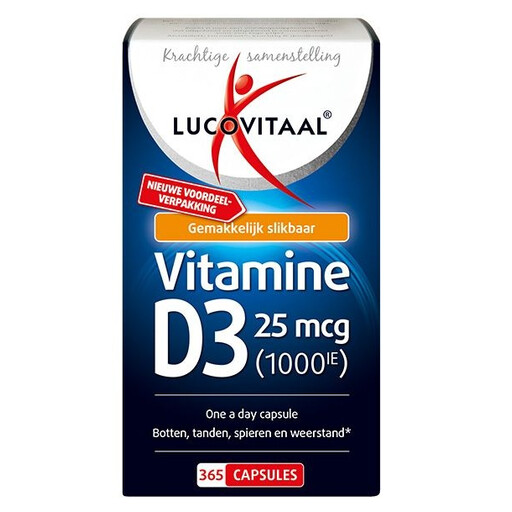
Why this fits the profile: A simple formula with one capsule per day and a pack that lasts 365 days. Handy if you’re not looking for a combination product.
The dosage and number of capsules are clearly stated. Do check whether 25 mcg suits your personal situation and avoid double intake with other products.
25 mcg vitamin D3 per capsule; 365 capsules; small capsules; not vegan due to gelatine.

Why this fits the profile: Suitable for users who look beyond just the CFU count and also consider bacterial strains, capsule technology and dietary choices.
The product information lists 20 strains, 20 billion CFU per two capsules and a stomach-acid-resistant capsule. This makes comparison much easier.
Vegan; organic inulin; 120 capsules; approximately two months’ use at two capsules per day.
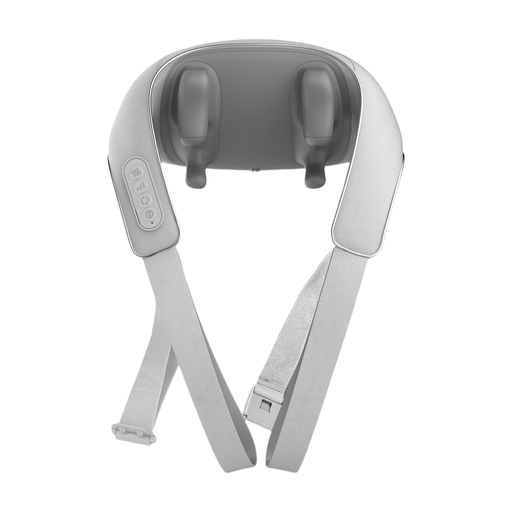
Why this fits the profile: For anyone looking for a wellness solution for the neck, shoulders or back, and who wants to use it at home, in the office or on the go.
The functions are clearly described: deep kneading, vibration and adjustable intensity. Only use the device according to the instructions and not on injured or inflamed skin.
Battery powered at 7.4 V; kneading and vibrating massage; suitable for neck, shoulders and back; minimum two-year statutory warranty according to the product information.
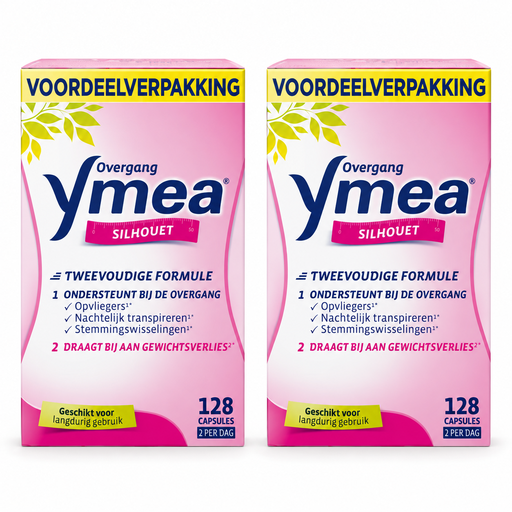
Why this fits the profile: A combination product for women who want to compare vitamins and minerals with plant extracts in a single formula.
The daily dosage is clear: two capsules. The packaging also lists warnings regarding green tea, medication, pregnancy and breastfeeding.
2 × 128 capsules; according to the product information, sugar-free and gluten-free; contains, among others, vitamin B6, B12, D3, zinc and chromium.
We’ve put together a full, up-to-date list of products that fully meet these strict selection criteria and comply with current European safety regulations.
Both are relevant. First, check the amount of active ingredient per daily dosage, then look at the form – such as magnesium bisglycinate or magnesium citrate. Also compare the usage advice, excipients and any warnings.
Always follow the expiry date and storage instructions on the label. Many supplements need to be kept dry, sealed and protected from light. Do not use a pack if the seal is damaged or if the product smells unusual, has changed colour or become damp.
Calculate the price per daily serving, not just per pack. Divide the price by the number of recommended days of use. With a massage device, also consider charging, maintenance and warranty. This way, you can compare the real cost of use between supplements, gummies, effervescent tablets or capsules.
