
Vandaag of morgen in huis

Kwaliteit gegarandeerd

Welkomstaanbiedingen ontgrendelen: GRATIS bezorging | Tot 80% korting | Gratis 30 dagen JoyPlus-proefperiode
Download de app
Dietary supplements may seem easy to choose, but the range varies widely in dosage, ingredients, format and ease of use. Whether you're looking for a calcium supplement, vitamin D3, a magnesium supplement or protein powder, an attractive package isn't enough. The product description and label determine whether something fits your daily routine.
As a Joybuy Product Recommendation Officer, I focus on verifiable information: composition, amount per daily dose, allergens, format and warnings. That way, you avoid paying for ingredients you don't need or buying a product you'll struggle to use consistently.
A bigger number on the front doesn't automatically mean the product is better for you. Pay attention to the amount per tablet, capsule, serving or daily dose. With some products, the daily dose is one tablet; with others, it's two or even several capsules spread throughout the day.
Also check whether a product combines different nutrients. A multivitamin plus a separate zinc supplement and a calcium-magnesium product could unintentionally lead to double intake.
Claims about skin, hair, weight loss, menopause symptoms or gut health should not be taken as guarantees. According to the product information for Lucovitaal Ideal Weight, the health claims around Garcinia Cambogia are still awaiting European approval. Similarly, Ymea Menopause states that certain claims about sage, maca, cayenne and artichoke have not yet been approved in Europe.
So first look at which ingredients are actually included and in what quantity. If you're unsure about medication, pregnancy, breastfeeding or a medical condition, it's wise to consult a doctor or pharmacist.
A supplement you forget to take every day offers little value in practice. Capsules, tablets, chewable tablets, sachets, powders and ready-to-drink options suit different routines. A protein drink, for example, is handy after exercise, while a powder gives you more flexibility with portion size and flavour.
Compare not just the ingredient name, but also the chemical form and amount. According to the product description, Lucovitaal Magnesium 375 mg Bisglycinate contains 375 mg magnesium bisglycinate per daily dose of two tablets and is vegan. The Lucovitaal Calcium Magnesium Zinc product lists 300 mg magnesium, 120 mg calcium and 9.3 mg zinc. Check the current packaging for this product, as the information provided mentions different usage instructions.
For vitamins and minerals, the reference intake is a practical comparison point. Lucovitaal Vitamin D3 contains 25 mcg vitamin D3 per capsule. Davitamon Vitamin C + Extra D3, Zinc & Selenium contains 600 mg vitamin C, 5 mcg vitamin D3, 10 mg zinc and 55 mcg selenium per effervescent tablet.
Always check for milk, soya, fish, shellfish, gelatine and gluten. A product may be vegetarian or vegan, but that doesn't automatically apply to the entire product category. The Lucovitaal Vitamin D3 product contains gelatine and is therefore not vegan. According to the product information, Lucovitaal Super Calcium 1000 mg is labelled as vegan.
With probiotics and prebiotics, it's also useful to look at the bacterial strains, the amount of CFU and the presence of, for example, FOS. For protein products, the protein source and allergens are important: whey contains milk, while some protein bars also contain soya or collagen.
Check the number of units and the recommended daily amount. A pack of 60 tablets could last 30 or 60 days, for example. Also check whether the product needs to be refrigerated after opening, as some ready-to-drink protein drinks do, and keep supplements out of reach of young children.
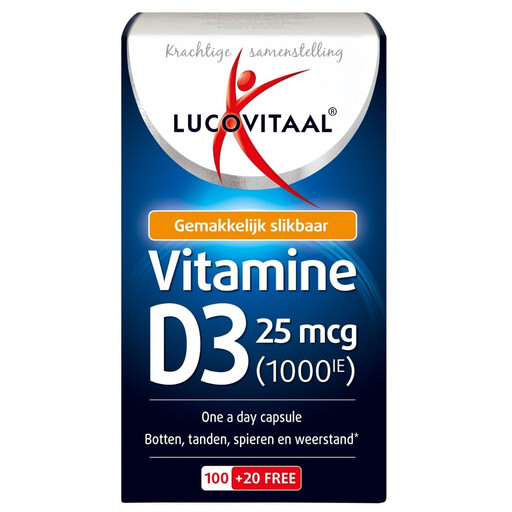
Why this fits: One small capsule a day and 120 capsules per pack make this a straightforward choice for adults who want to keep their routine simple.
The packaging clearly states 25 mcg vitamin D3 per capsule and a usage recommendation of one capsule per day.
120 capsules, softgel format and best taken with a meal. The product contains gelatine.
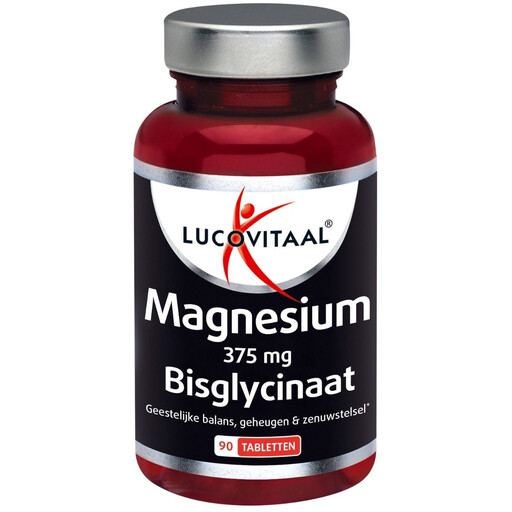
Why this fits: Suitable for adults specifically looking for magnesium in a vegan tablet format.
The magnesium bisglycinate form and the daily dose of two tablets are listed separately.
90 tablets, vegan according to the product information and a clear usage recommendation.
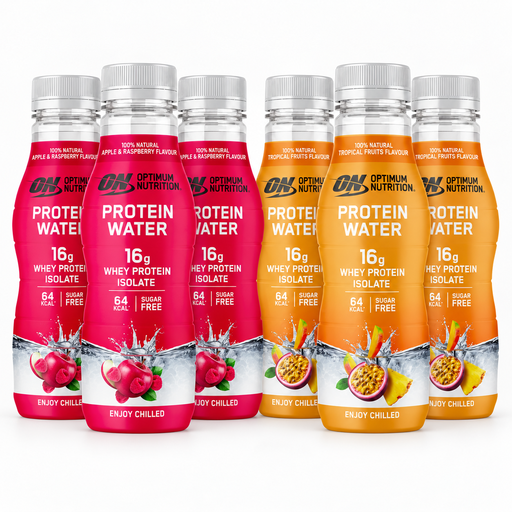
Why this fits: A ready-to-drink protein drink for on the go, after training or between meals.
The amount of protein is concrete: 16 g per 350 ml bottle. No need to measure out powder.
Six bottles, two fruit flavours, 64 kcal per bottle according to the product information and no sugar or fat listed.
Browse a current selection of dietary supplements with different dosages, formats, ingredients and intended uses.
Not automatically. Supplements are intended as a complement and do not replace a varied diet. Whether extra vitamin D, iron, calcium or other nutrients are suitable depends on personal circumstances and dietary patterns.
This varies per product, dosage and purpose. Always follow the label and do not exceed the recommended daily amount. For long-term use, medication or doubts about suitability, you can ask a doctor or pharmacist for advice.
Compare the price per daily dose, not just the price of the pack. Powder can be practical for larger amounts of protein, while capsules require little preparation. A ready-to-drink protein drink may cost more per serving, but is ready to use straight away. Also check shelf life, storage instructions and allergens before purchasing.
