
Vandaag of morgen in huis

Kwaliteit gegarandeerd

Welkomstaanbiedingen ontgrendelen: GRATIS bezorging | Tot 80% korting | Gratis 30 dagen JoyPlus-proefperiode
Download de app
Buying supplements might seem straightforward, but an eye-catching pack tells you little about whether it’s right for you. An athlete looking for creatine has different needs to someone wanting to support hydration, energy or daily nutrition. So the right choice starts not with the boldest claim, but with the ingredients, dosage and instructions for use.
A big number on the front grabs your attention, but always check how much you’re actually taking per serving. With creatine, one product might list 3,000 mg per daily dose, while another gives 3.5 grams per scoop. So compare the amount of active ingredient per serving and the number of servings per pack.
The same goes for a magnesium supplement, zinc supplement or caffeine tablets. With minerals, look at the amount of the mineral itself, not just the weight of the compound.
According to product information from brands, ingredients may contribute to, for example, normal muscle function, alertness or a normal energy metabolism. That doesn’t mean every product will have the same effect for every user. So check whether the claim on the label matches permitted European nutrition and health claims.
Claims about extra muscle growth, detox or stronger performance shouldn’t be seen in isolation from training, sleep and diet. A supplement doesn’t replace a varied diet.
A pre-workout may contain caffeine as well as creatine, beta-alanine, taurine and vitamins. If you also take caffeine tablets or drink a lot of coffee, your total caffeine intake can quickly add up. Multivitamins, a magnesium supplement and a zinc supplement can also overlap on certain nutrients.
So read the full ingredients list and check the warnings. Pay extra attention to allergens, sweeteners, vegan suitability and the recommended maximum daily dose.
For sports nutrition, the form of the ingredient matters. Creatine monohydrate, for example, is clearly recognisable and is often sold as a single ingredient. A powder can be practical if you want to weigh out your own dosage. Gummies are more convenient for on the go, but check how many gummies you need for one daily dose.
With electrolytes, look at the individual amounts of sodium, potassium, magnesium and calcium. A product with several minerals isn’t automatically suitable for every workout. For a short session, water may be enough; for longer exercise or heavy sweating, an electrolyte product may better match your needs.
Check:
With Lucovitaal Creatine Gummies, the product description states 3,000 mg of creatine per three gummies. The usage instructions recommend three to six gummies a day, depending on your needs. Always follow the current pack and do not exceed the recommended daily amount.
Supplements are generally intended for adults, unless the label says otherwise. Products containing caffeine are not suitable for children and, according to product information, are not recommended during pregnancy or breastfeeding. Don’t combine caffeine products without calculating your total intake.
Store capsules and powders in a cool, dry place away from direct sunlight. If you have an allergy, always check the current label. Formulations, packaging and usage instructions can change.
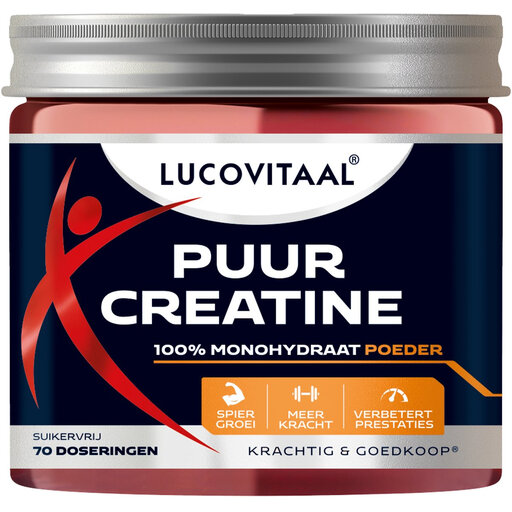
Why this fits the profile: According to the product information, this powder contains 100% creatine monohydrate and is suitable for anyone who wants to mix it themselves with water or plant-based milk.
The ingredients are straightforward, without a long mix of extras. So you can see exactly how much creatine monohydrate you’re using.
210 grams of powder, vegan according to the product information and sugar-free. The recommended amount is between 3 and 6 grams.
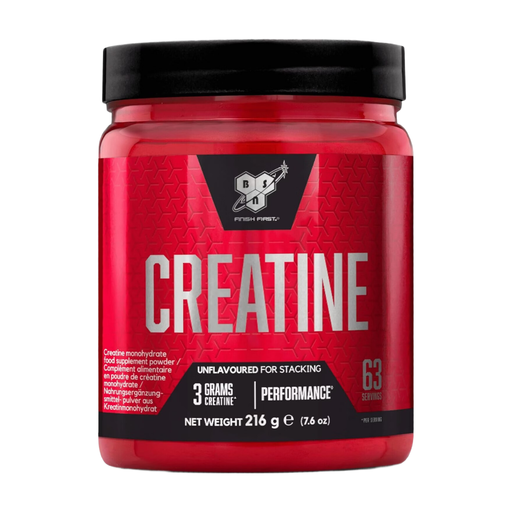
Why this fits the profile: According to the product description, this contains micronised creatine monohydrate, unflavoured, with 3.5 grams per serving.
The unsweetened, unflavoured formula makes it easier to avoid extra caffeine or flavourings.
216 grams, approximately 63 servings and suitable for vegan users according to the product information.
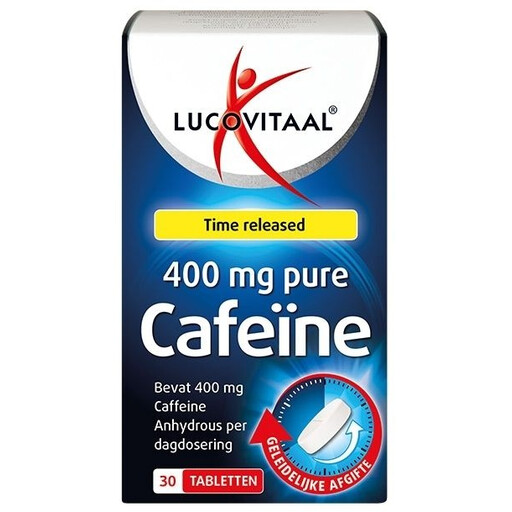
Why this fits the profile: For adults looking for a precisely dosed caffeine option. According to the product information, the tablets contain 200 mg per tablet and 400 mg per two tablets.
The break line allows for a lower dosage, according to the product information. This helps you tailor your intake and avoid double caffeine sources.
30 tablets, vegan according to the product information and with a time-release formula. Do not combine with other caffeine-containing products.
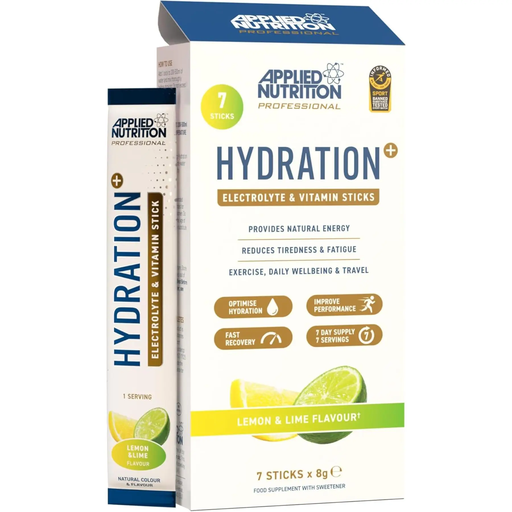
Why this fits the profile: According to the product information, the individual sticks are designed for use around sport, on the go or while travelling.
The pack lists the amounts of electrolytes and vitamins per stick. This lets you compare the ingredients without having to mix powders yourself.
Seven sticks, vegan according to the product information, and each stick can be mixed with 200 to 500 ml of water. One stick per day is the stated dosage.
We’ve put together a full, up-to-date list of products that fully meet these strict selection criteria and comply with current European safety regulations.
That depends on your diet, training duration and goal. Creatine monohydrate is often chosen in sports nutrition for strength training. Electrolytes can be practical for longer exercise or heavy sweating. A protein-rich snack or protein drink can help when you need extra protein between meals. Start with one clear goal and first check your daily diet.
Check the best-before date and store the product according to the label. Powders and capsules generally stay most stable when kept cool, dry and sealed. Don’t use a supplement if the packaging is damaged or if the smell, colour or texture has clearly changed.
No. Vegan means that, according to the product information, no animal ingredients have been used. It says nothing about the correct dosage or suitability if you’re taking medication, pregnant, have allergies or a medical condition. Always check the ingredients list and, if in doubt, consult a doctor or pharmacist.
