
Vandaag of morgen in huis

Kwaliteit gegarandeerd

Welkomstaanbiedingen ontgrendelen: GRATIS bezorging | Tot 80% korting | Gratis 30 dagen JoyPlus-proefperiode
Download de app
When you search for supplements for women, you’re quickly faced with a long list of multivitamins, herbal extracts, and capsules for skin, hair, energy or the menopause. The differences aren’t just in the price. The dosage, composition, duration of use and warnings also determine whether a product is right for you.
A supplement cannot replace a varied diet. Always check the label and consult a doctor or pharmacist if you are taking medication, pregnant, breastfeeding or have a medical condition.
A high-dose multivitamin for women may look appealing, but more isn’t automatically necessary. Look at the amount per daily dose and compare it with the reference intake. Pay particular attention to products that combine several vitamins or minerals. This way, you avoid taking the same substance from different supplements at the same time.
Brands often use terms like “hormone balance”, “energy” or “support during the menopause”. Such wording doesn’t always guarantee a personal result. For botanical ingredients such as sage, maca, green tea, ashwagandha or wild yam, certain health claims are still awaiting European approval according to the product information.
Therefore, focus on the actual ingredients, dosage and instructions for use. A product may have certain effects according to a brand’s own research, but this is not established proof for every user.
A capsule you need to take twice a day doesn’t suit everyone. Sachets, liquid shots, lozenges and chewable tablets can be more practical. Also check for allergens, caffeine, gelatine, fish ingredients and interactions with medicines.
A green tea extract, for example, may contain caffeine. With a melatonin supplement, it’s important to follow the dosage and timing of use. An iron supplement is only advisable when there is a concrete reason for it, such as a confirmed deficiency or advice from a healthcare professional.
Don’t just compare the number of tablets in the pack, but especially what you take per day. Examples:
These figures make products easier to compare than terms like “extra strong” or “complete formula”.
Choose the product type based on your needs:
A pack of 120 tablets can be more economical for daily use, but only if the dosage suits you. A liquid collagen product is quick to use, while sachets need to be dissolved first. Store supplements according to the label, usually in a dry, dark place out of reach of young children.
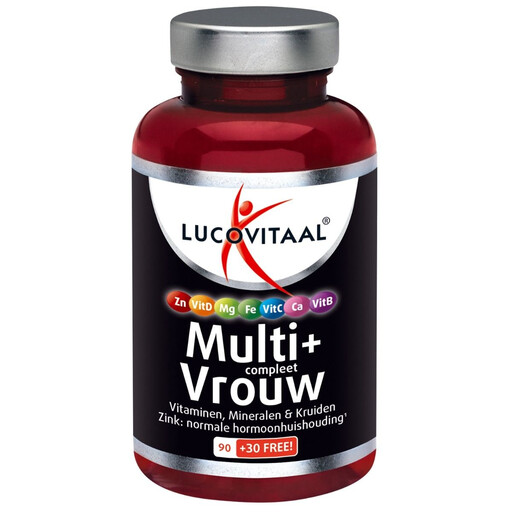
Why this suits the profile: One tablet a day and a pack of 120 make this a straightforward choice for anyone wanting to start with a single general supplement.
The composition lists the key vitamins and minerals, so you don’t have to rely solely on the term “high dose”.
120 tablets, one tablet per day and includes vitamin B complex, C, D, E, K, folic acid and zinc according to the product information.
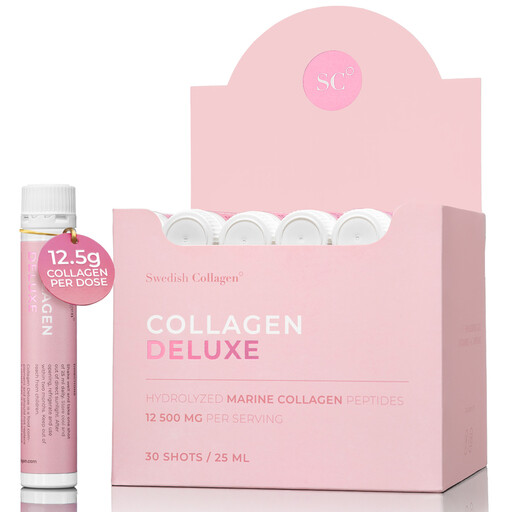
Why this suits the profile: Ideal for anyone who wants a ready-to-drink portion without mixing or swallowing tablets.
The amount per shot is clearly stated: 12,500 mg hydrolysed marine collagen per 25 ml. Do check for the possible presence of fish.
30 liquid shots with collagen, hyaluronic acid, vitamin C, biotin and vitamin D according to the product description.
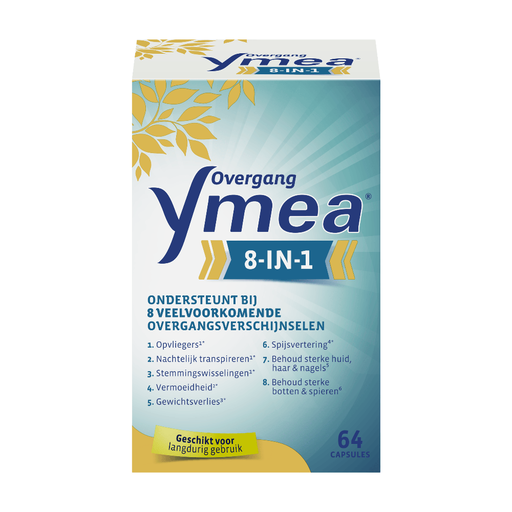
Why this suits the profile: This formula is aimed at women going through the menopause who want to combine several ingredients in one product.
The daily composition and duration of use are clearly described. Claims about herbs such as sage, maca, cayenne and artichoke are awaiting European approval according to the product information.
Per two capsules: 300 mg sage extract, 100 mg maca, 250 mg artichoke, 30 mg cayenne, vitamin B6, vitamin D3 and 10 mg zinc.
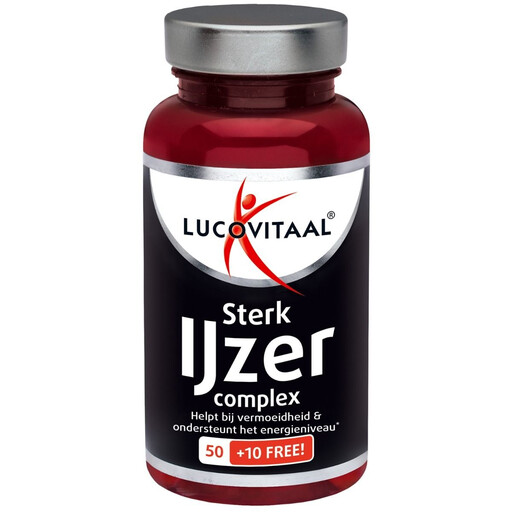
Why this suits the profile: Interesting for adults who are specifically looking for iron, for example after advice from a healthcare professional.
The amount of iron is listed separately: 20 mg per tablet. Don’t automatically use a high dose without a suitable reason.
60 tablets, one tablet per day and a combination with vitamin C, folic acid, vitamin B12, copper and zinc.
We’ve put together a full, up-to-date list of products that fully meet these strict selection criteria and comply with current European safety regulations.
That depends on the composition. A biotin supplement contains biotin, while a collagen product often contains collagen peptides, vitamin C and sometimes hyaluronic acid. Compare the dosage and check the warnings. According to the product information, biotin can affect laboratory test results.
The duration of use varies per product. Always follow the instructions on the label. For Ymea, for example, it states that the capsules are suitable for long-term use, but consult a healthcare professional first if you are taking medication, pregnant, breastfeeding or have a hormone-sensitive condition.
Not always. A multivitamin can already contain several vitamins and minerals. Only add an omega 3 supplement, calcium, iron, melatonin or another product if it fits your diet and personal situation. Check for duplicate ingredients to avoid unnecessarily high intakes.
