
Vandaag of morgen in huis

Kwaliteit gegarandeerd

Welkomstaanbiedingen ontgrendelen: GRATIS bezorging | Tot 80% korting | Gratis 30 dagen JoyPlus-proefperiode
Download de app
A sunscreen spray seems simple enough: spray, rub in and head outside. Yet many people end up buying a product that doesn't suit their skin, their activity or the way they apply it. A low price means little if you're not using enough product, while a high SPF isn't a free pass to stay in the sun longer.
The three most common pitfalls:
SPF 30 and SPF 50 or SPF 50+ indicate how much protection the product offers against UVB radiation, which is linked to redness and sunburn. A higher factor doesn't mean you can stay in the sun indefinitely. Also check whether the packaging states UVA protection. For daily protection against both types of radiation, look for a clear mention of UVA and UVB protection.
SPF 30 can be suitable for everyday use and for skin that doesn't burn easily. For fair skin, strong sun, holidays, outdoor work or children, a sunscreen spray SPF 50 or sunscreen spray SPF 50+ is usually the better choice. The right option depends on your skin type, how much you apply and how often you reapply.
A spray only works when you use enough product. Vision, for example, recommends 35 ml per adult per application and advises applying it 15 to 20 minutes before sun exposure. Other brands give similar instructions on the packaging.
Here are practical points to keep in mind:
A water-resistant sunscreen spray stays on better during water contact according to the product description, but it isn't completely waterproof.
If you're looking for a sunscreen spray without a white cast, look for terms like transparent, clear or dry touch. A transparent formula is practical for legs, arms and darker skin tones, but do check that you've applied enough everywhere.
For sensitive skin, a short ingredients list, a fragrance-free formula and a suitable SPF are relevant points to consider. Always check the full ingredients list yourself. A product described by a brand as dermatologically tested or suitable for a certain skin type is no guarantee it will feel comfortable for everyone.
For dry skin, a moisturising sunscreen spray with glycerine, hyaluronic acid or nourishing oils could be of interest. If you choose a sunscreen oil spray or one with a tanning effect, remember that a bronzed look is no substitute for sun protection. According to the product descriptions from NIVEA and Garnier, their Protect & Bronze or Bronze variants do not contain self-tanner; claims about stimulating melanin come from the brands themselves.
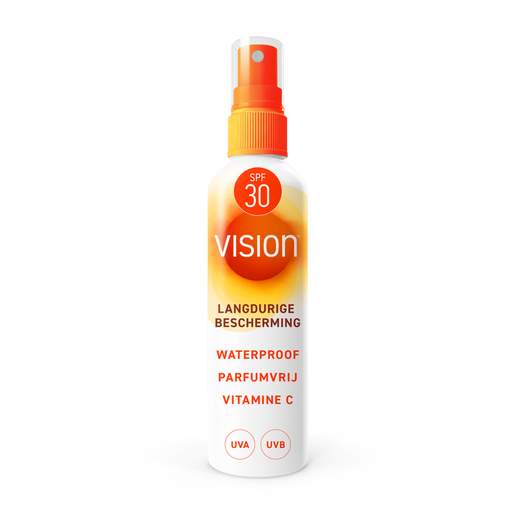
Why this fits the profile: A practical choice for daily use on the body when SPF 30 is appropriate. The bottle contains 180 ml and the product description mentions UVA and UVB protection.
The usage instructions mention a generous amount, a 15 to 20 minute wait time and reapplication after swimming, sweating or towel-drying.
According to the product information, the spray is fragrance-free, fast-absorbing and highly water-resistant.
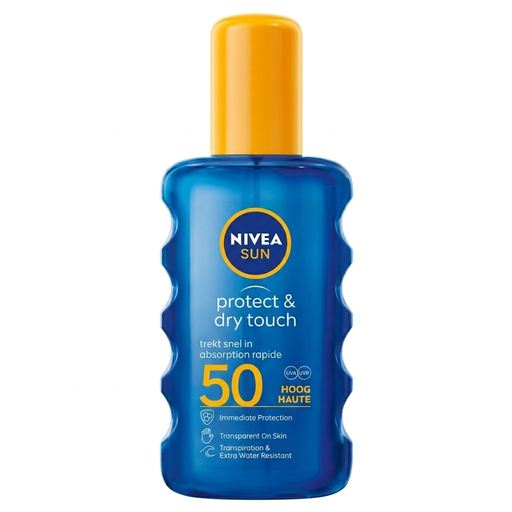
Why this fits the profile: Ideal for anyone who wants high protection, a transparent finish and quick application for the body.
The product description mentions a transparent, water-resistant formula with no white streaks. Remember to apply generously and reapply.
SPF 50, UVA/UVB protection and a fast-absorbing spray according to the product information, suitable for sports use.
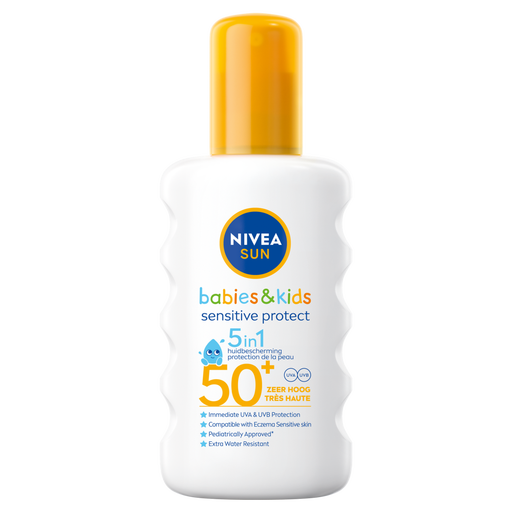
Why this fits the profile: Designed for families looking for a fragrance-free sunscreen spray for children from 6 months old, for outdoor play and water activities.
The instructions mention extra water resistance and reapplication after swimming, towel-drying or sweating. For the face, spray into your hands first.
SPF 50+, fragrance-free and according to the product description suitable for the sensitive skin of babies and children from 6 months old.
We've put together a full, up-to-date list of products that fully meet these strict selection criteria and comply with current European safety regulations.
Check the expiry date and batch number on the packaging. Store the spray in a cool, dry place, out of direct sunlight and away from heat sources. Aerosols containing alcohol can be flammable: do not use them near an open flame. If a product changes in smell, colour or texture, it's best not to use it.
SPF 50 or SPF 50+ is often chosen for children, but also look at the age recommendation, fragrance-free formula and usage instructions. Keep babies and young children out of direct sunlight, cover their skin with clothing and do not spray directly onto the face. If you're unsure about a specific skin reaction, it's best to seek advice from a doctor or pharmacist.
A sunscreen oil spray with a tanning effect may, according to the brand's product description, contain ingredients that support the natural tanning process. That doesn't change the risk of overexposure. Choose the SPF based on your skin type, avoid prolonged sun exposure and reapply the product generously.
