
Vandaag of morgen in huis

Kwaliteit gegarandeerd

Welkomstaanbiedingen ontgrendelen: GRATIS bezorging | Tot 80% korting | Gratis 30 dagen JoyPlus-proefperiode
Download de app
A sunscreen spray is easy to apply to your arms, legs and back. However, the packaging alone isn’t always enough to help you make the right choice. A transparent mist might feel pleasant, but it can make it harder to see whether you’ve applied enough coverage everywhere. Also, a high SPF doesn’t mean you can get away with applying it less often.
With this practical guide, you’ll focus on the things that really matter for daily use, holidays, the beach, the pool and sport.
Sprays feel light and spread quickly. That can lead you to use too little product. According to the usage instructions from several brands, an adult body needs roughly 35 ml per application. If you only spray for a few seconds, you’re unlikely to reach that amount.
Apply your sunscreen spray generously and evenly. With an aerosol or transparent mist, it’s a good idea to spread it with your hands after spraying, especially around your shoulders, knees, ears and the tops of your feet.
A water-resistant sunscreen spray may stay on better during swimming or sweating, according to the product description. That doesn’t mean the protection lasts indefinitely. Towel-drying, heavy perspiration and repeated swimming will reduce the layer you’ve applied.
So, plan to reapply after swimming, towel-drying or intense exercise. Always follow the instructions on the packaging.
SPF 30, SPF 50 and SPF 50+ refer to protection against UVB radiation according to the relevant test method. Also check whether the product mentions UVA and UVB protection. No sunscreen offers complete protection from the sun. Avoid the strongest sun where possible, wear covering clothing, and keep babies and young children out of direct sunlight.
A sunscreen spray SPF 30 can suit adults looking for medium protection for everyday use. A sunscreen spray SPF 50 or sunscreen spray SPF 50+ is more appropriate for fair or sensitive skin, strong sun, a holiday in a sunny climate, or spending lots of time outdoors.
For children, a high protection factor is usually the logical choice. Also check the age recommendation. A product designed for children isn’t automatically suitable for babies.
SPF mainly relates to UVB. So look on the packaging for a separate mention of UVA protection or the European UVA symbol. Products such as NIVEA SUN Protect & Dry Touch and Vision SPF 50 state protection against both types of UV radiation in their product information.
Also pay attention to the ingredients list. A sensitive skin can react to fragrance, alcohol or certain preservatives. A sunscreen spray for sensitive skin is often fragrance-free, but check this per product. If in doubt, test a small amount on your skin first and stop if irritation occurs.
A transparent sunscreen spray leaves no white residue, according to the product description. That’s practical on darker skin or with sportswear, but it makes even application less visible. A lotion or milk can then give you more control.
If you prefer a dry skin feel, look for a dry-touch mist. For tight-feeling skin, products with glycerine, hyaluronic acid or nourishing oils may be a better fit. These are properties of the formula, not a guarantee of a particular skin result.
A sunscreen oil spray feels smooth and is popular with those who want a glossy finish or a natural tanning effect. According to its own product information, NIVEA’s Protect & Bronze range contains pro-melanin extract and no self-tanner. A tanning effect is no reason to stay in the sun longer.
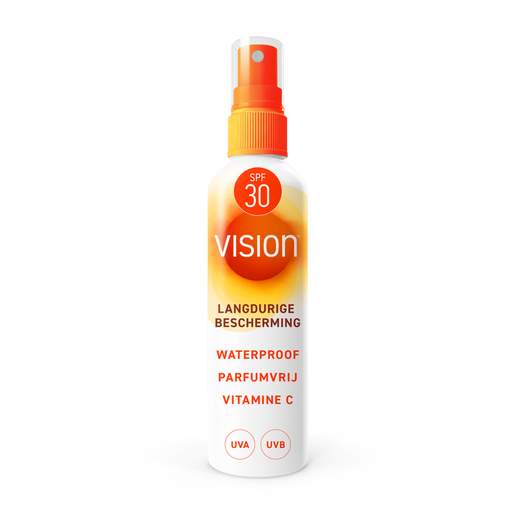
Why this fits the profile: A straightforward body sunscreen with SPF 30 and a 180 ml capacity. According to the product information, the spray offers UVA and UVB protection and is intended for adults and children, with SPF 50 recommended for young children.
The clear SPF 30 label makes comparison easier. The usage instructions mention applying generously and repeating after swimming, sweating or towel-drying.
180 ml capacity; SPF 30; according to the product description, fragrance-free and suitable for body and face.
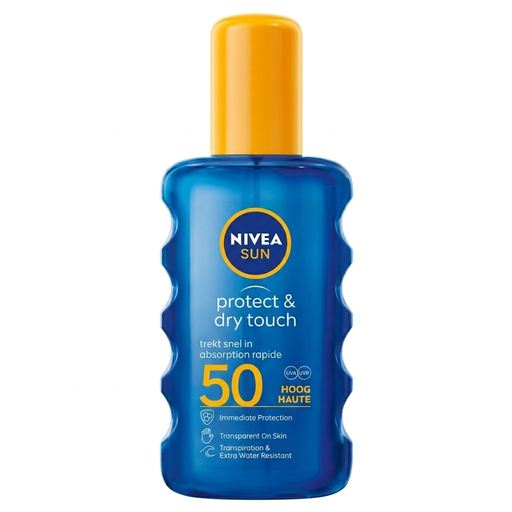
Why this fits the profile: For those who want to combine SPF 50, a transparent finish and a light skin feel. According to the product information, the spray is water-resistant and suitable for use during sport.
The transparent formula prevents a white residue according to the product description, but requires extra care when spreading because you can’t see the layer as easily.
SPF 50; 200 ml; water-resistant according to the product information; mentions UVA and UVB protection.
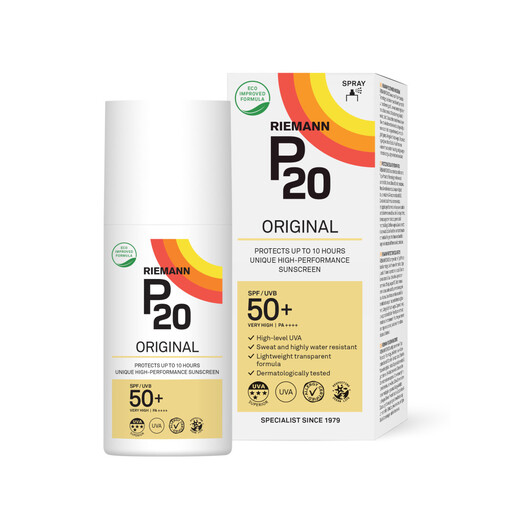
Why this fits the profile: An SPF 50+ spray for adults who exercise outdoors, travel often or are active for long periods. The product information mentions water resistance and application before sun exposure.
The instructions emphasise applying generously and evenly, and reapplying after towel-drying or heavy sweating. The packaging also warns about flammability due to alcohol.
SPF 50+; 175 ml; according to the product data, suitable for water activities; contains no fragrance mention in the listed ingredients.
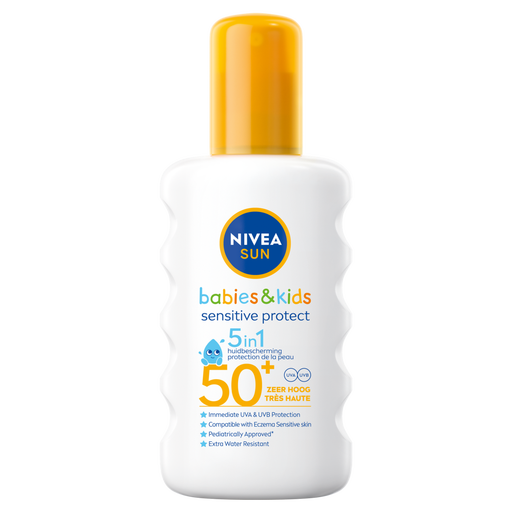
Why this fits the profile: According to the product information, this product is intended for babies and children from 6 months old, with SPF 50+, a fragrance-free formula and extra water resistance.
The instructions advise not spraying directly onto the face, but first into your hands. This limits contact with children’s eyes and mouth.
SPF 50+; 200 ml; fragrance-free according to the product information; extra water-resistant formula.
We’ve put together a full, up-to-date list of products that fully meet these strict selection criteria and comply with current European safety regulations.
For an adult body, product instructions often mention roughly 35 ml per application. The exact amount depends on your body size and the area to be covered. Spray generously, spread the sunscreen with your hands and reapply regularly.
This varies by product. Some sprays are intended for body and face, while other packaging states that you should not spray directly onto your face. With children, always spray into your hands first and then apply. Avoid contact with eyes and follow the instructions on the label.
Check the expiry date and the symbol for the period after opening on the packaging. Store the spray in a cool place out of direct sunlight. With aerosols containing alcohol, keep the product away from heat and naked flames. If an opened bottle smells different, has changed colour or has an altered texture, it’s best to replace it.
