
Vandaag of morgen in huis

Kwaliteit gegarandeerd

Welkomstaanbiedingen ontgrendelen: GRATIS bezorging | Tot 80% korting | Gratis 30 dagen JoyPlus-proefperiode
Download de app
A sunscreen spray is handy for your back, shoulders and legs, especially when you want to apply it quickly. However, a spray can give a false sense of ease. A fine mist doesn't automatically mean you're using enough product. Terms like "transparent", "waterproof" and "hydrating" also deserve a closer look.
A spray feels light, which often means you apply less than you need. According to the usage instructions on several products, an adult needs approximately 35 ml per full application. Distribute the product evenly and, if necessary, rub a spray in after applying.
Apply sunscreen 15 to 20 minutes before sun exposure where possible. Reapply regularly, especially after swimming, sweating or drying off with a towel.
A water-resistant sunscreen spray is designed to stay on better during swimming or perspiration. That doesn't mean you don't need to reapply. Water, friction and a towel all reduce the layer you've applied.
Always check whether water resistance is actually stated in the product information. A light body mist without this mention is less suitable for a day at the beach or intensive sports activity.
SPF mainly tells you about protection against UVB radiation. Also check whether the product mentions UVA and UVB protection. UVA plays a role in long-term exposure and skin ageing, while UVB is primarily linked to burning.
A sunscreen spray SPF 30 can be practical for daily use with limited exposure. For children, fair skin, long days outdoors or strong sun, many users opt for SPF 50 or SPF 50+. The number doesn't make a correct amount and repeated application unnecessary.
Choose a sunscreen spray based on your usage situation, skin type and duration of exposure:
A higher SPF is not a licence to stay in the sun longer. Avoid the strongest sun where possible and keep babies and young children out of direct sunlight.
A transparent sunscreen spray or sunscreen spray without a white cast can be pleasant on darker skin or when wearing light-coloured clothing. Products with alcohol, perfume or fragrances can be less comfortable for some people. So check the ingredients list if you react quickly to cosmetics.
If comfort is your main concern, look for glycerine, hyaluronic acid, aloe vera or nourishing oils. A hydrating sunscreen spray doesn't always replace a separate moisturiser. According to NIVEA's own research, the skin stays hydrated for up to 48 hours with some Protect & Hydrate products; this is based on an instrumental test with 43 volunteers and should be read as a product-specific claim.
Aerosol sprays produce a fine mist, but don't use them near naked flames or heat sources. Do not spray directly onto the face. Spray into your hand first and then apply around the eyes and mouth. With a child, careful rubbing in is especially important.
An oil spray can give a shinier skin feel. A sunscreen oil spray isn't automatically suitable for every skin type or every activity. Check the SPF, water resistance and the warnings on the packaging.
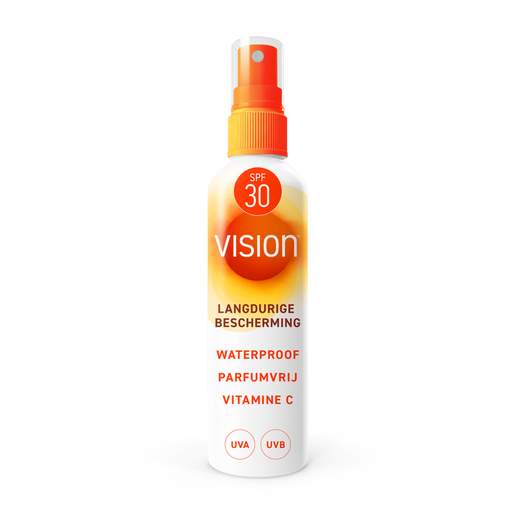
Why this fits the profile: A straightforward SPF 30 spray in 180 ml for anyone looking for a practical body formula without extra focus on perfume or bronzing.
The packaging states UVA and UVB protection and gives clear instructions for generous application and reapplication.
SPF 30, 180 ml content and glycerine in the ingredients list.
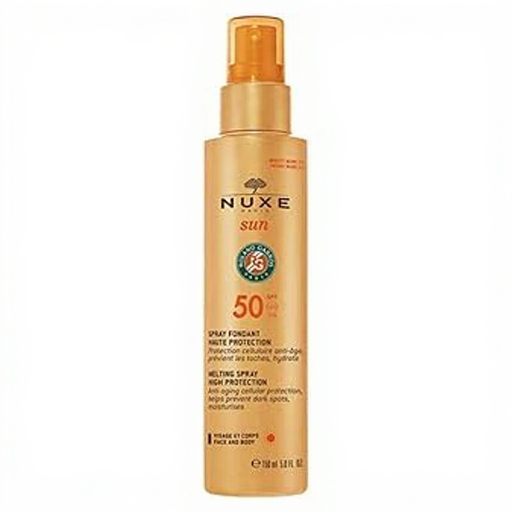
Why this fits the profile: For adults who want to combine SPF 50, a light texture and nourishing ingredients for long days outdoors.
The product information mentions SPF 50, UVA and UVB protection and reapplication after swimming or sweating.
SPF 50, water-resistant formula and 150 ml content.
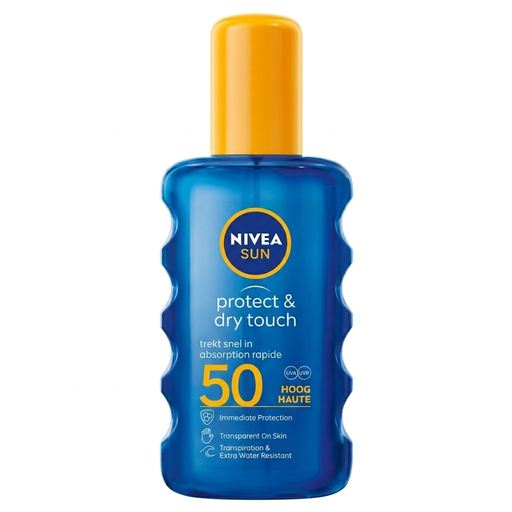
Why this fits the profile: A choice for sport, travel and warm days where quick absorption, a transparent finish and water resistance are important.
The product description mentions a transparent formula without white residue and extra water and sweat resistance.
SPF 50, 200 ml, transparent spray and water-resistant formula.
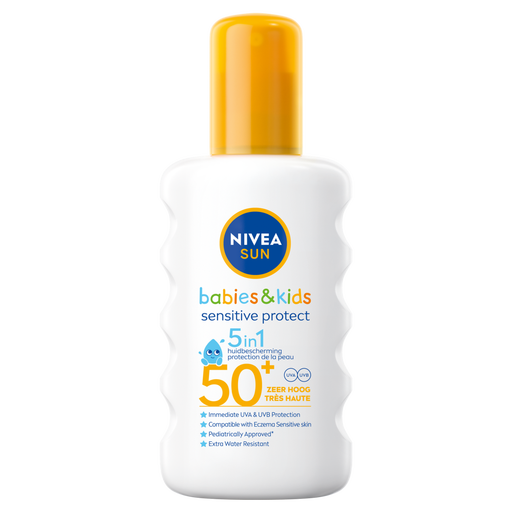
Why this fits the profile: The product information focuses on children from 6 months, sensitive skin and situations involving water and outdoor play.
According to the product information, the spray is fragrance-free and extra water-resistant. With children, spray into your hand first and then rub in carefully.
SPF 50, fragrance-free formula and 200 ml content.
We've put together a full, up-to-date list of products that fully meet these strict selection criteria and current European safety regulations.
Also pay attention to the expiry date, batch information and storage advice. Store a spray in a cool place out of direct sunlight. Aerosols must not be used near heat or a flame.
That depends on the specific product. Choose a variant that is explicitly intended for children, preferably with SPF 50 or SPF 50+. The NIVEA SUN Babies & Kids Sensitive Spray states suitability from 6 months. Also keep young children out of direct sunlight and don't spray the product directly onto their face.
Reapply after swimming, sweating and drying off. Even without those activities, regular reapplication is necessary, typically about every two hours. Water resistance doesn't extend protection indefinitely.
Not necessarily. A transparent spray can feel quicker and leave fewer visible residues. A lotion sometimes makes it easier to see where you've already applied. Choose based on SPF, UVA and UVB protection, skin sensitivity and the amount you can actually apply generously.
