
Vandaag of morgen in huis

Kwaliteit gegarandeerd

Welkomstaanbiedingen ontgrendelen: GRATIS bezorging | Tot 80% korting | Gratis 30 dagen JoyPlus-proefperiode
Download de app
A sunscreen spray is practical: it can be applied quickly and makes it easier to reach awkward areas of the body. However, convenience can lead to a layer that is too thin or uneven. If you only look at a high SPF or words such as “waterproof”, you risk buying a product that is not well suited to your skin or how you intend to use it.
An SPF rating indicates the level of protection against UVB rays, which are associated with redness and sunburn, among other things. Also check whether the packaging states UVA and UVB protection. In Europe, UVA protection is often indicated by a UVA logo on the packaging.
A SPF 50 sunscreen spray is not automatically the right choice for every situation, but it does offer a higher protection factor than an SPF 30 sunscreen spray. SPF 50+ may be relevant for fair skin, children when used according to the instructions, intense exposure or sunny holiday destinations. The protection factor is no substitute for shade, clothing or regular reapplication.
In practice, a waterproof sunscreen spray does not provide protection that continues to work indefinitely after swimming. Brands often use terms such as water-resistant or waterproof for formulas that, according to their own tests, offer a certain level of resistance to water. Sweat, drying yourself with a towel and swimming reduce the applied layer.
You should therefore reapply a water-resistant sunscreen after swimming, drying yourself or perspiring heavily. Always check the instructions on the packaging.
A fine mist may appear even, but uncovered areas can be left on the knees, shoulders, feet and back. A cream spray or mist should therefore usually be spread by hand. Do not spray directly onto your face and avoid inhaling the product. For the face, a product specifically intended for facial use or a separate facial sunscreen is often more practical.
First choose the protection factor based on your skin type, the UV index and the length of time you will be exposed. Then consider:
When choosing a sunscreen for sensitive skin, “fragrance-free” and a short ingredients list that suits you are practical points to consider. “Dermatologically tested” is a product characteristic, but it does not mean that everyone can use the product without a reaction. If in doubt, test it on a small area of skin first.
If you want a lightweight finish, look for a transparent sunscreen spray or sunscreen spray without a white cast. Sprays containing alcohol often feel dry quickly, but may be less comfortable for some skin types. A cream formula may feel more nourishing, but can take longer to spread.
A hydrating sunscreen spray may contain glycerine, hyaluronic acid or other caring ingredients. Claims about a particular hydrating effect should be understood as brand claims. According to NIVEA’s product description, Protect & Hydrate is said to offer long-lasting hydration, based on an instrumental test involving 43 volunteers. This is not a guarantee for every user.
For a sunscreen spray for sport, quick application, sweat resistance and water resistance are practical features. Check that these properties are actually stated in the product information. An aerosol spray can be convenient, but do not use such products near naked flames or sources of heat. Some sprays contain alcohol and are flammable; read the safety warnings.
The amount you apply remains important. Product information from various brands gives approximately 35 ml per application for an adult as a guideline. A few short sprays are therefore generally not enough for the whole body.
The recommendations below are based on verifiable product details such as SPF, size, whether the product is fragrance-free, water resistance and the described texture. Brand warnings and usage instructions on the packaging always take precedence.
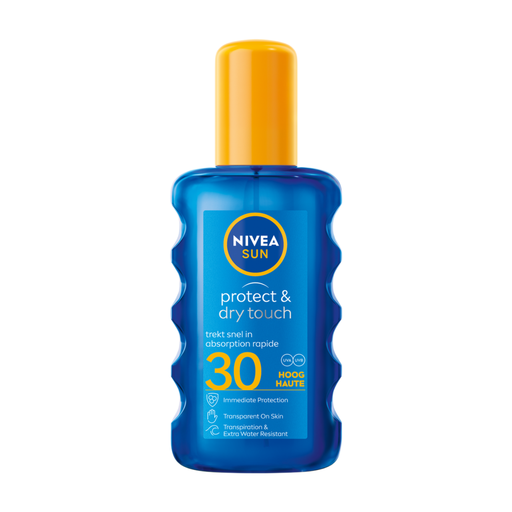
Why it suits this profile: A practical 200 ml spray for everyday outdoor use, days at the beach and short trips.
According to the product description, the formula is transparent, water-resistant and designed to absorb quickly. However, you still need to rub it in and reapply it.
SPF 30, 200 ml size, transparent application according to the product information and a described water-resistant formula.
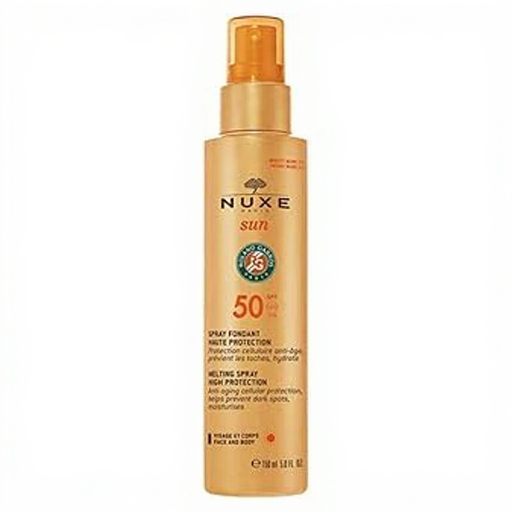
Why it suits this profile: For adults who want to combine SPF 50 with a nourishing spray texture during long days outdoors.
The product details state SPF 50, UVA and UVB protection and a lightweight, fast-absorbing texture. “Water-resistant” still means reapplying after swimming or drying yourself.
SPF 50, 150 ml size, a body spray and, according to the product description, enriched with botanical extracts.
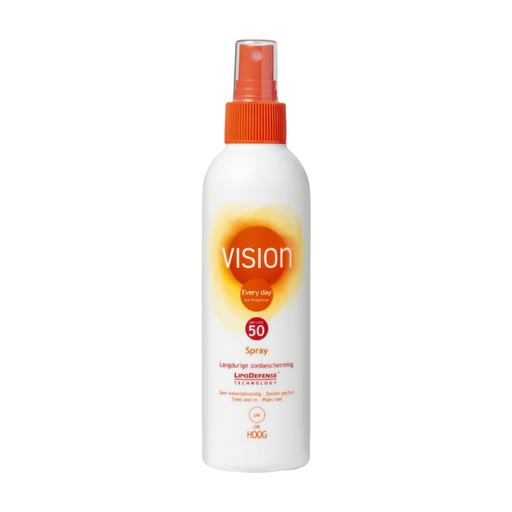
Why it suits this profile: An option for sport, the beach and families looking for a fragrance-free SPF 50 spray.
The product information states that it is fragrance-free, fast-absorbing and highly water-resistant. With intensive use, you need to apply the spray generously and reapply it regularly.
SPF 50, 180 ml, a fragrance-free formula according to the product details and described suitability for the body and face.
A product that supports tanning, such as NIVEA Protect & Bronze or Garnier Ambre Solaire Bronze, does not contain self-tanner according to the product description. Claims about stimulating the natural tanning process come from the brands and do not make sun exposure safer. A tan is not a reason to stay in the sun for longer.
We have compiled a complete, up-to-date list of products that fully meet these strict selection criteria and the applicable European safety regulations.
Approximately 35 ml per full-body application is often recommended for an adult. The precise guideline is stated on the packaging. If you apply too little, you will not achieve the stated SPF.
Check the expiry date or the open-jar symbol indicating the period after opening on the packaging. Do not store the spray for long periods in a hot car or in direct sunlight. Once opened, its smell, colour and texture may change; if this happens, stop using the product.
Not in every situation, but SPF 50 or SPF 50+ may be a sensible choice for fair skin, strong sunlight, long periods outdoors or intensive activities. SPF 30 may be suitable for less intense exposure, provided you apply enough and reapply regularly. Protective clothing and shade remain important.
