
Vandaag of morgen in huis

Kwaliteit gegarandeerd

Welkomstaanbiedingen ontgrendelen: GRATIS bezorging | Tot 80% korting | Gratis 30 dagen JoyPlus-proefperiode
Download de app
A sunscreen spray is quick to apply and handy for your back, legs and arms. However, a spray isn’t automatically the right choice for every situation. A fine mist can unknowingly deliver too little product, while a high SPF isn’t a free pass to stay in the sun longer.
So, pay particular attention to three common pitfalls:
Below, you’ll find out which features matter and which sunscreen spray suits different users in the UK.
The SPF indicates how much protection the product offers against UVB radiation according to the standardised test. SPF 30 and SPF 50 are popular choices for adults. For children, sensitive skin or prolonged exposure, SPF 50 or SPF 50+ is a sensible product category to consider.
Also check whether the label mentions UVA and UVB protection. SPF alone doesn’t cover the full spectrum. A daily-use sunscreen must be applied to all uncovered skin, even when the sun doesn’t feel as strong.
An SPF 30 sunscreen spray can suit regular daily use, while a sunscreen spray with SPF 50 may be more appropriate for fair skin, holidays, sport or intense exposure. The right choice depends on your skin type, the sun’s strength and how much you apply.
A waterproof sunscreen spray is designed to stay on the skin better after contact with water or perspiration than a non-water-resistant formula. That doesn’t mean you only need to apply once. Reapply:
A product that absorbs quickly is practical for cycling, walking or sport. A water-resistant formula is handy at the pool and beach, but even there, regular reapplication is still necessary.
A transparent sunscreen spray or a sunscreen without a white cast can be pleasant on dark clothing or darker skin. Bear in mind that transparency doesn’t mean you need less product. Spray evenly and rub the sunscreen in thoroughly if the packaging advises it.
For a sunscreen for sensitive skin, fragrances and alcohol are important points to consider. Check the ingredients list and choose a product with a clear indication, such as fragrance-free. If you react quickly to cosmetics, test a new product on a small area of skin first.
A hydrating sunscreen spray may contain glycerine, hyaluronic acid or other caring ingredients. According to NIVEA’s own research, certain Protect & Hydrate formulas keep the skin hydrated for up to 48 hours; this is a brand claim from an instrumental test with 43 volunteers and not a general guarantee for every user.
The selection below is based on verifiable data from the product information, such as SPF, volume, fragrance-free status, water resistance and intended use. Brand claims are noted as such where relevant.
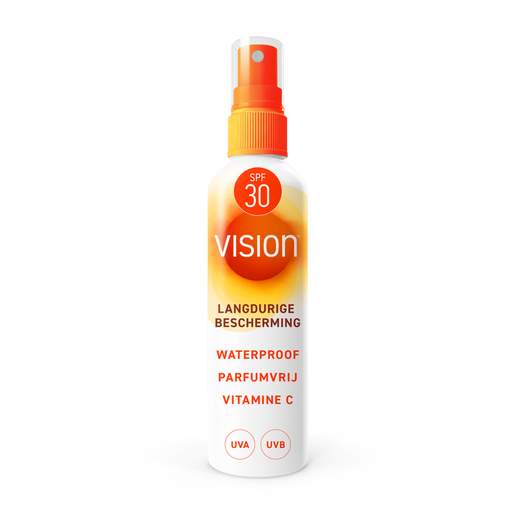
Why this fits the profile: A straightforward SPF 30 spray for adults looking for a practical everyday base for outdoor use.
The usage instructions state 35 ml per application for an adult and reapplication after two hours, swimming, sweating or towel drying.
SPF 30, 180 ml volume and usage advice for body and face.
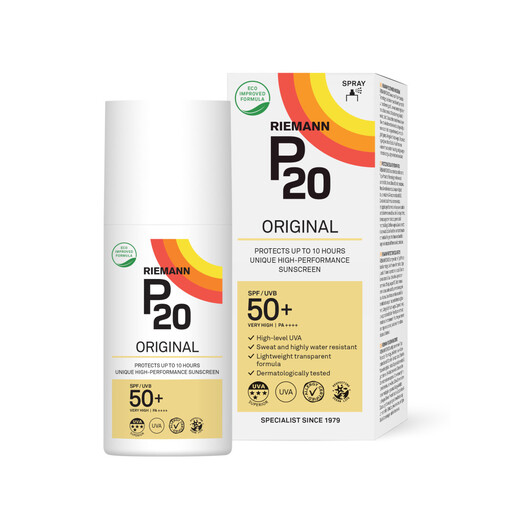
Why this fits the profile: Aimed at adults who want a high SPF and a water-resistant spray for longer days outdoors.
The packaging advises applying generously and evenly, at least 15 minutes before exposure, and reapplying after towel drying or heavy sweating.
SPF 50+, 175 ml and a fragrance-free formula according to the product information.
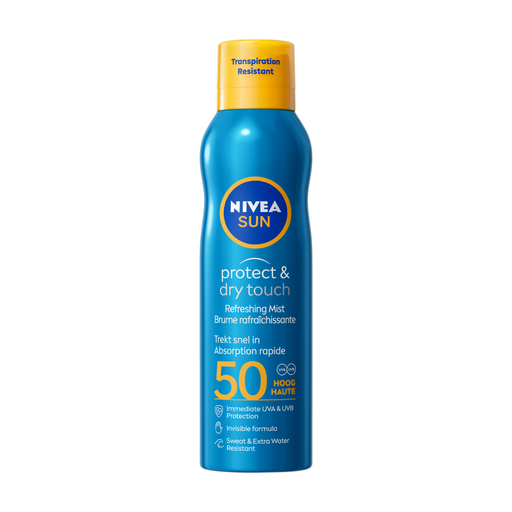
Why this fits the profile: Handy for sportspeople and active users who want a quick, transparent spray for the body and outdoor activities.
The product information states water and sweat resistance, but reapplication remains necessary after swimming or towel drying.
SPF 50, transparent formula, fast absorption and 200 ml volume.
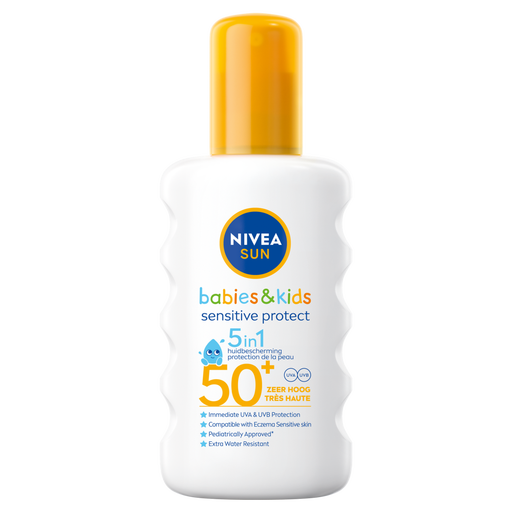
Why this fits the profile: Developed for babies and children from 6 months of age, with SPF 50+ and a fragrance-free formula according to the product information.
The packaging states that you should not spray directly onto the face. Spray into your hands first and then apply.
SPF 50+, fragrance-free, extra water-resistant and 200 ml volume.
We’ve put together a full, up-to-date list of products that fully meet these strict selection criteria and comply with current European safety regulations.
Shake the container if the label says so. Apply the spray generously to dry skin before going outside. Do not spray directly onto the face unless the packaging expressly allows it. Keep an aerosol away from naked flames and heat.
A sunscreen oil spray can give a smoother feel on the skin, but it’s not the same as a product with low protection. Always check the SPF. Products with a bronzing or pro-melanin claim do not contain self-tanner according to the brand description; they don’t replace sun protection and don’t make longer sun exposure safer.
As a practical guideline, Vision states 35 ml per application for an adult. That’s considerably more than a few quick sprays. Distribute the product evenly over all uncovered skin and follow the dosage on the packaging.
Reapply after swimming, sweating or towel drying, and otherwise according to the label. Water-resistant doesn’t mean the protection stays fully intact. Even with a transparent spray, you need to apply generously.
Choose a product that is explicitly intended for children, for example a formula with SPF 50+. Keep babies and young children out of direct sunlight, use protective clothing and don’t spray directly onto children’s faces. Always check the age indication and warnings on the packaging.
