
Vandaag of morgen in huis

Kwaliteit gegarandeerd

Welkomstaanbiedingen ontgrendelen: GRATIS bezorging | Tot 80% korting | Gratis 30 dagen JoyPlus-proefperiode
Download de app
A sunscreen spray is convenient: just spray and you're done. But the shelves are lined with promises that aren't always kept, from sprays that feel sticky to claims that seem too good to be true. As a Product Recommendation Officer at Joybuy, I'm here to help you make the right choices, based on facts, not marketing fluff.
Before you buy a sunscreen spray, it's wise to be aware of a few common misconceptions. This will not only save you money but also better protect your skin.
To make an informed choice, focus on the following three specifications. These determine the effectiveness and user experience of the sun spray.
SPF stands for Sun Protection Factor and indicates how well a product protects against UVB radiation, the rays that cause sunburn.
More important than the highest possible factor is applying the sunscreen generously and regularly.
Good sun protection doesn't stop at UVB. UVA rays penetrate deeper into the skin and are the main cause of premature skin ageing. Always check if a product offers 'broad-spectrum' protection or has the UVA logo (a circle with 'UVA' inside) on the packaging. This guarantees that the UVA protection is at least one-third of the stated SPF.
The composition determines who the spray is suitable for.
Based on these criteria, we have selected a number of products that suit different user profiles.
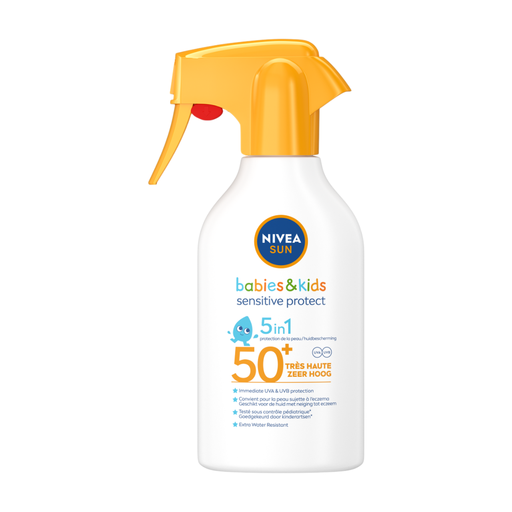
Why This Fits Their Persona: Ideal for parents seeking high, reliable protection for their children's delicate skin. Suitable for a day at the beach or playing in the garden.
The term 'extra water-resistant' is transparent and emphasizes the need for reapplication. The fragrance-free formula is specifically designed for sensitive skin, preventing irritation.
Offers very high SPF 50+ protection and is approved by paediatricians. The formula is suitable for eczema-prone skin.
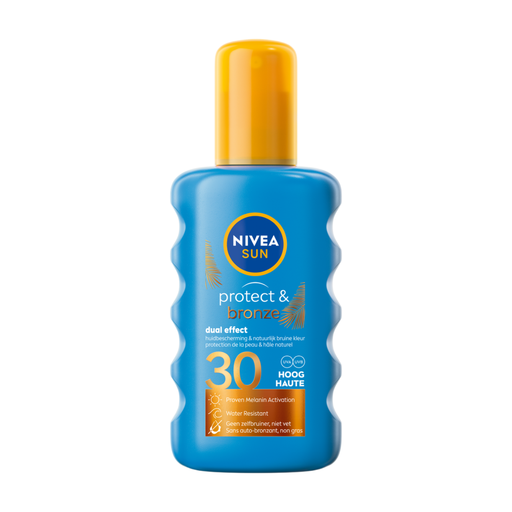
Why This Fits Their Persona: For those who want to combine protection with enhancing a natural tan, without compromising on UV safety.
This product is transparent about its mechanism: it contains no self-tanner, but a pro-melanin extract that activates the skin's own melanin production. This avoids the pitfall of a vague 'tanning accelerator'.
Offers a dual action: reliable sunscreen SPF 30 protection and support for the natural tanning process. The formula is lightweight, non-sticky, and water-resistant.
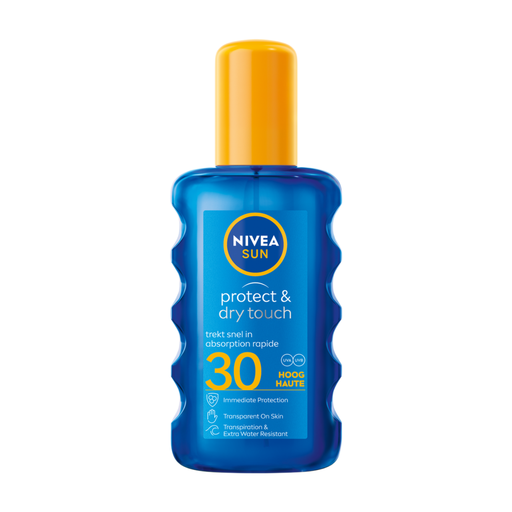
Why This Fits Their Persona: Perfect for those who play sports or are active outdoors and dislike a sticky feeling. This spray provides protection you can't see or feel.
This 100% transparent formula directly tackles the 'white cast' and sticky feeling pitfalls. It absorbs instantly and leaves no visible residue.
The formula is sweat-resistant and extra water-resistant, making it ideal for use during sports. The spray is a sunscreen without a white cast and feels cool on the skin.
We have compiled a complete, up-to-date list of products that fully meet these strict selection criteria and local regulations.
The general rule is to reapply every two hours. Also, reapply immediately after swimming, towelling off, or if you have been sweating heavily, even when using a water-resistant formula.
SPF 50 blocks approximately 98% of UVB rays, while SPF 30 blocks about 97%. Although the difference seems small, SPF 50 provides a higher margin of protection, which is especially important for people with fair or sensitive skin, and for children. However, for most people, a correctly applied SPF 30 offers sufficient protection.
Chemical filters (like those in most Nivea sprays) absorb into the skin and convert UV radiation into heat. They are often lighter in texture and do not leave a white cast. Mineral filters (zinc oxide and titanium dioxide) form a layer on the skin that reflects UV rays. They work immediately upon application and are often recommended for very sensitive skin, but can sometimes leave a slight white cast.
