
Vandaag of morgen in huis

Kwaliteit gegarandeerd

Welkomstaanbiedingen ontgrendelen: GRATIS bezorging | Tot 80% korting | Gratis 30 dagen JoyPlus-proefperiode
Download de app
Store shelves are lined with bottles making lofty promises: the perfect tan, total protection, or an all-day formula. But the wrong choice often leads to sticky skin, white streaks, or worse, a painful sunburn. Before you buy a new bottle, it's wise to understand a few common pitfalls.
A common claim is "waterproof." This suggests that one application is enough for a full day of fun in the water. In reality, no sunscreen is completely waterproof. Products are water-resistant, meaning they provide protection for a limited time after water contact, but you must reapply after swimming or towel-drying.
Another misconception is that an extremely high SPF factor makes you invincible. A sunscreen spray with SPF 50 does offer high protection, but the difference compared to SPF 30 is smaller than you might think. Applying it regularly and generously is far more important than fixating on the highest number on the package.
To make an informed choice, it helps to know what the specifications on the bottle mean. These are the three most important points to check.
The Sun Protection Factor (SPF) indicates how well a product protects your skin from UVB radiation, the type that causes sunburn.
The difference may seem small, but for sensitive skin or children's skin, that extra percentage of protection can be meaningful. For most people, however, a well-applied SPF 30 provides sufficient protection, provided you reapply it every two hours.
Besides UVB radiation, there is also UVA radiation. These rays penetrate deeper into the skin and are the main cause of premature skin ageing. A good sunscreen spray protects against both. Look for the UVA logo on the packaging (a circle with "UVA" inside). This guarantees that the UVA protection is at least one-third of the stated SPF, as required by EU guidelines.
Not all sunscreen sprays are created equal. The formula determines how the product feels and who it's best suited for.
Based on product specifications, we've highlighted several popular choices that cater to different needs.
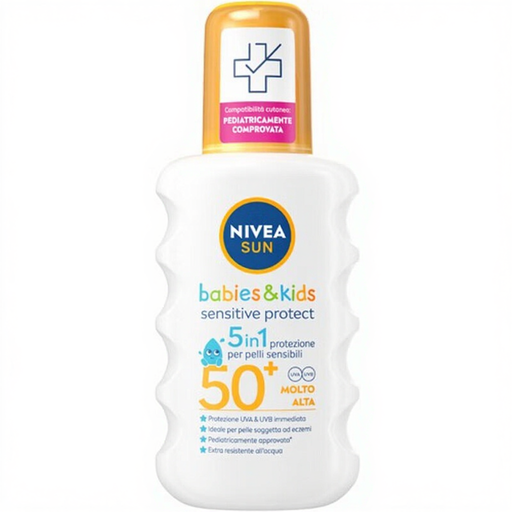
Why This Fits Their Persona: This spray is specially formulated for sensitive children's skin. The high SPF 50+ factor and extra water-resistant formula make it a practical choice for a day at the beach or pool.
The formula is fragrance-free, which reduces the risk of skin irritation. The high SPF provides robust protection, but the packaging emphasizes the importance of regular reapplication.
High SPF 50+ for maximum UVB protection. The formula is extra water-resistant and approved by paediatricians.
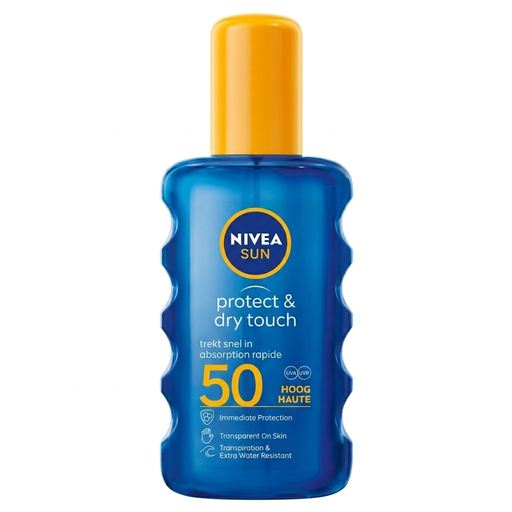
Why This Fits Their Persona: If you're active in the sun, the last thing you want is a sticky feeling. This transparent spray absorbs instantly, leaves no white cast, and is sweat-resistant.
The "Dry Touch" formula directly tackles the problem of a greasy or sticky layer. It's a 100% transparent sunscreen that's invisible on the skin, so you won't be left with white streaks.
Absorbs instantly and has a non-greasy feel. The formula is sweat- and extra water-resistant, making it ideal for use during sports.
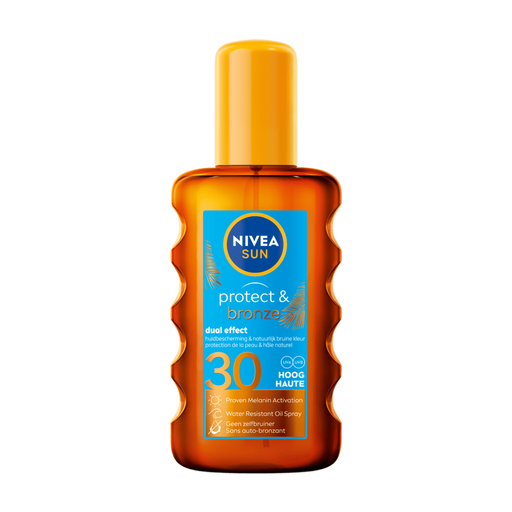
Why This Fits Their Persona: This sunscreen oil spray combines protection with a formula that supports the tanning process. It's ideal for anyone looking to build a natural, sun-kissed tan without compromising on safety.
This product is not a self-tanner. According to Nivea, the pro-melanin extract stimulates the skin's own melanin production. So you get protection (SPF 30) and support for your natural tan, without the risks of unprotected sun exposure.
Offers dual action: reliable UVA/UVB protection and support for the natural tanning process. The light oil formula feels soft on the skin.
We've compiled a complete, up-to-date list of products that meet these selection criteria.
The general rule is to reapply every two hours. Do this more frequently if you've been swimming, sweating heavily, or have towelled off. Apply generously; most people use too little sunscreen, which means they don't get the promised level of protection.
Sunscreen packaging has a symbol of an open jar with a number inside (e.g., "12M"). This number indicates how many months the product is good for after opening. If your bottle from last summer isn't past its date and doesn't have a strange smell or change in texture, you can usually still use it. Be sure to store the bottle in a cool, dark place.
The biggest difference is ease of use. A sunscreen spray is quick and easy to apply, especially on hard-to-reach areas like your back. A lotion needs to be rubbed in more thoroughly, which makes you less likely to miss a spot. Both are equally effective, as long as you apply them generously and evenly.
