
Vandaag of morgen in huis

Kwaliteit gegarandeerd

Welkomstaanbiedingen ontgrendelen: GRATIS bezorging | Tot 80% korting | Gratis 30 dagen JoyPlus-proefperiode
Download de app
Buying sunscreen seems simple: choose a factor, apply it and you’re done. In practice, most disappointing purchases are caused by incorrect application or by marketing claims seeming more important than the product specifications. A face cream is not automatically suitable for the body, and water-resistant sunscreen does not stay on indefinitely after swimming or drying yourself.
This buying guide helps you compare sunscreens based on sun protection factor, UVA and UVB protection, skin type, texture and usage situation.
SPF mainly refers to protection against UVB rays, which are among the causes of redness and sunburn. So also check whether the product states that it offers UVA protection. UVA rays penetrate deeper into the skin and contribute to premature skin ageing and pigmentation changes.
A higher factor also does not mean you are protected all day. Even SPF 50+ sunscreen needs to be reapplied regularly.
A thin layer feels more comfortable, but reduces the actual level of protection. Apply sunscreen generously and evenly before going outside. Don’t forget your ears, neck, hands, shoulders, feet and hair parting.
For your face, you can use separate face sunscreen. This often has a lighter texture and may work better with make-up or oily skin.
Water-resistant sunscreen is designed to stay on the skin for longer while swimming or sweating. The product is not resistant to water indefinitely. Reapply after swimming, drying yourself, exercising or heavy sweating. Also check the packaging for the precise instructions for use.
SPF 30 sunscreen may be suitable for everyday use and normal exposure, as long as you apply enough and reapply it. SPF 50 or SPF 50+ is more appropriate for fair or sensitive skin, strong sunlight, long outdoor activities and holidays.
Don’t look only at the factor. Also consider:
Sunscreen for sensitive skin is often fragrance-free and contains a formula designed for sensitive skin. This does not mean irritation is impossible. If in doubt, test a small amount first and stop using it if redness, itching or a burning sensation occurs.
Body sunscreen is usually sold in larger bottles, such as 150 or 200 ml. This is practical for your arms, legs, shoulders and back. For the face, a moisturising formula with a lighter finish may feel more comfortable.
A day cream with SPF combines skincare with limited everyday sun protection. For prolonged exposure, days at the beach or intensive outdoor sports, a separate sunscreen is usually the more sensible choice. If you have dry skin, look for glycerine, hyaluronic acid, argan oil or shea butter. However, moisturising sunscreen does not mean you can skip reapplication.
Products containing Q10, vitamin C, hyaluronic acid or plant extracts are often marketed as anti-ageing cream with SPF. These ingredients may form part of the moisturising formula. Claims about firmness, elasticity or wrinkles should be assessed based on the evidence provided on the packaging.
According to NIVEA’s own research, the VITAL Soy day cream was reported to improve elasticity after seven days and reduce deep wrinkles after two weeks. The product information refers to in-house tests. This is not a guarantee for every skin type or user. SPF 30 and the ingredients list are more verifiable starting points when comparing products.
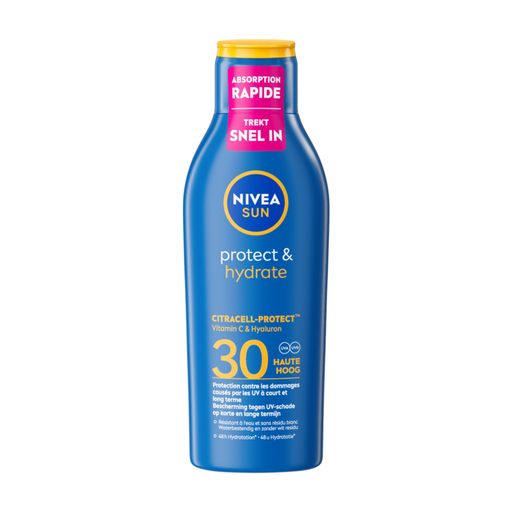
Why it suits this profile: The 200 ml bottle is practical for everyday use on the body and offers SPF 30 with a light lotion texture.
The SPF value and UVA/UVB statement make the protection choice easy to verify; reapplication is still necessary after swimming or drying yourself.
200 ml, SPF 30, light formula and water-resistant according to the product information.
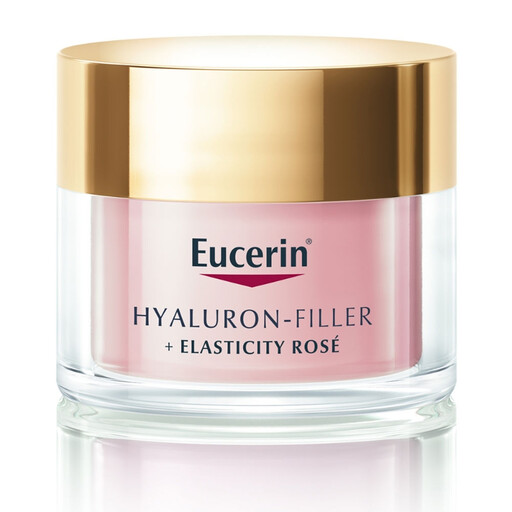
Why it suits this profile: This face cream combines SPF 30 with a rosy tint and a nourishing formula for anyone who wants to use one product as part of their morning routine.
The SPF 30 is clearly stated. The rosy tint is a cosmetic feature and does not replace an additional product during prolonged exposure.
For the face, 50 ml, SPF 30 and a rosy finish according to the product description.
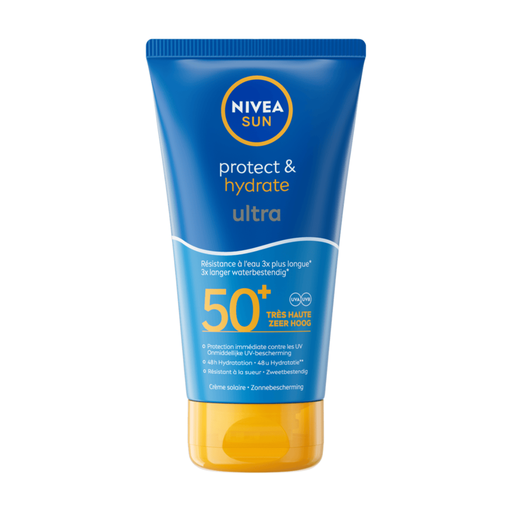
Why it suits this profile: The SPF 50+ and the formula described in the product information as very water-resistant are well suited to days at the beach, walking, cycling and other outdoor activities.
Water resistance is listed as a product feature, but you still need to reapply after drying yourself and sweating heavily.
SPF 50+, 150 ml, stated UVA/UVB protection and a moisturising effect lasting 48 hours according to NIVEA.
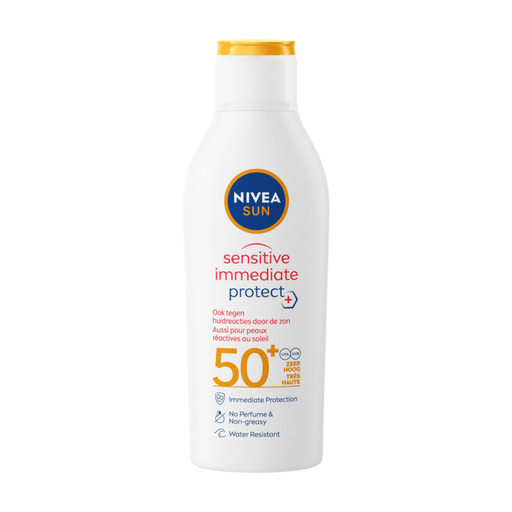
Why it suits this profile: According to the product information, this lotion is fragrance-free and designed for sensitive skin.
The ingredients list does not include fragrance. Nevertheless, always check the current packaging and stop using the product if irritation occurs.
SPF 50+, 200 ml, fragrance-free according to the product description and listed as very water-resistant.
We have compiled a complete, up-to-date list of products that fully meet these strict selection criteria and the applicable European safety regulations.
Pay extra attention to the instructions on the packaging when using products on children. Babies and young children should not be exposed to direct sunlight. Sunscreen is not a reason to stay in the sun for longer.
That depends on your skin type, the amount of sunlight and how long you are exposed. For short periods of everyday exposure, SPF 30 may be practical. If you have fair or sensitive skin, are in strong sunlight or plan to spend a long time outdoors, choose SPF 50 or SPF 50+ and reapply regularly.
For limited daily exposure, a day cream with SPF can be a convenient part of your routine. When cycling, walking, visiting the beach or exercising, separate face or body sunscreen is often more suitable, as you generally need more product to achieve the stated level of protection.
Check the date and symbol on the packaging, such as the period after opening. A change in smell, colour or texture is a reason to stop using the product. Do not leave the bottle in a hot car or direct sunlight for long periods.
