
Vandaag of morgen in huis

Kwaliteit gegarandeerd

Welkomstaanbiedingen ontgrendelen: GRATIS bezorging | Tot 80% korting | Gratis 30 dagen JoyPlus-proefperiode
Download de app
The sunscreen aisle can be overwhelming. Dozens of brands promise perfect protection, but in reality, you often end up with a product that's sticky, leaves a white cast, or simply feels unpleasant. The result? The tube sits untouched in your cabinet.
As a Joybuy Product Recommendation Officer, I see the daily frustrations consumers face. Before you make a choice, it's helpful to recognise a few common pitfalls that lead to a disappointing purchase.
To avoid a bad purchase, it's useful to check a few basic specifications. These determine how the product will feel and perform on your skin.
The texture determines whether you'll enjoy using a sunscreen. A facial sunscreen should feel comfortable and work well with your skin type.
Sometimes you need more than just basic protection. A tinted sunscreen can replace your foundation on days when you want light coverage. Other formulas act as a primer, helping your makeup stay in place longer. For sunscreen for children, special, extra water-resistant, and gentle formulas are available.
Below are a few popular choices, matched to specific needs and skin types. These aren't "winners," but products with specifications that align well with a particular user profile.
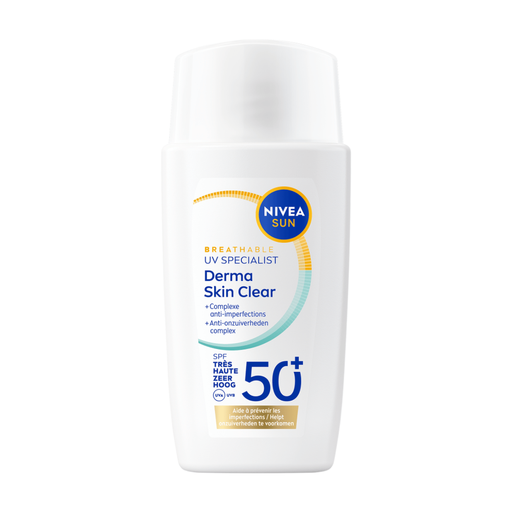
Why This Fits Their Persona: Ideal for those who struggle with shiny skin daily. This formula is specifically designed to absorb excess sebum and keep the skin matte, without leaving a heavy or sticky feeling.
Directly tackles the 'greasy texture' pitfall. The ultra-light fluid with Niacinamide is made for daily comfort, ensuring you don't skip your protection.
According to NIVEA, the formula provides an 8-hour mattifying effect and helps prevent blemishes by absorbing excess sebum.
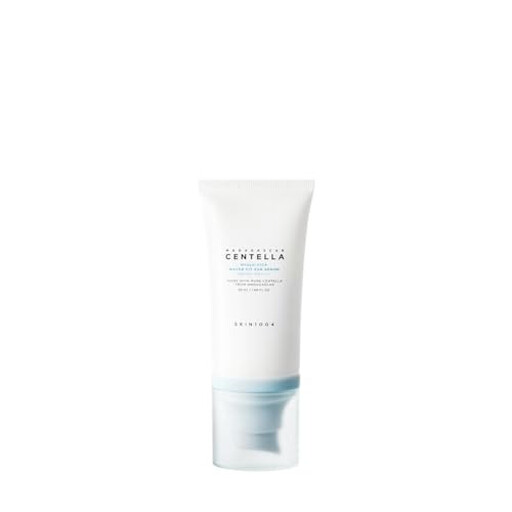
Why This Fits Their Persona: Perfect for those seeking a sunscreen that feels like a luxury skincare product. This Korean sunscreen combines high protection with intense hydration for supple, radiant skin.
This serum bypasses the 'white cast' pitfall. Its ultra-light texture absorbs instantly, leaving an invisible, breathable finish that lets the skin glow.
The Hyalu-Cica formula, a combination of hyaluronic acid and Centella Asiatica, hydrates and soothes the skin. The product is certified for brightening and wrinkle reduction.
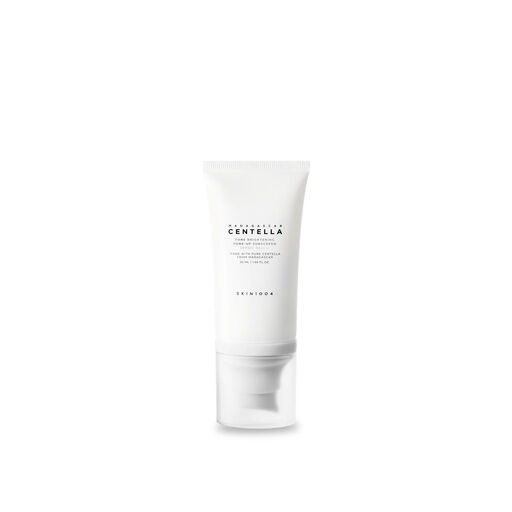
Why This Fits Their Persona: For those who want to save time in the morning. This tinted sunscreen functions as sun protection, skincare, and a light primer all in one, giving the skin an instantly more even and brighter appearance.
This product solves the white cast problem by providing a subtle peach-coloured tint. It creates a smooth base, preventing makeup from pilling.
Combines high SPF 50+ and PA++++ protection with niacinamide and tranexamic acid for a brightening effect. The light texture spreads smoothly.
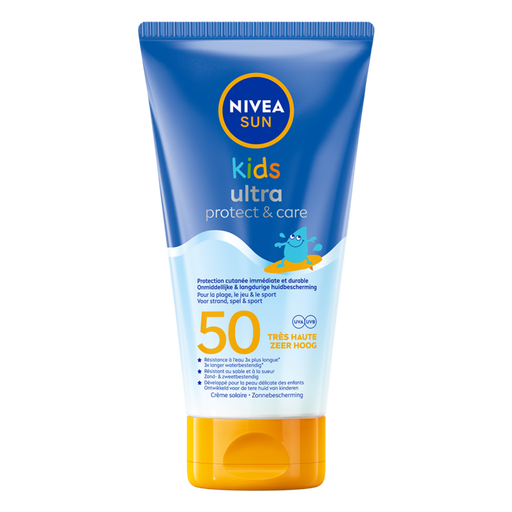
Why This Fits Their Persona: Parents need a reliable product that can withstand playing, swimming, and sweating. This formula is specially developed for the active lifestyle of children and their sensitive skin.
Provides clarity on the "waterproof" claim. According to NIVEA, the formula is 3x more water-resistant than regular water-resistant products and is also sweat and sand-resistant.
Its skin compatibility has been paediatrically tested. The formula with panthenol helps support the skin barrier and prevent dehydration during outdoor play.
We have compiled a complete, up-to-date list of products that fully meet these strict selection criteria and UK regulations.
A practical guideline is the 'two-finger rule'. Apply a line of sunscreen to the full length of your index and middle fingers. This amount is typically sufficient for your face and neck. Applying too little significantly reduces the stated SPF protection.
Check the packaging for the PAO (Period After Opening) symbol. This is an icon of an open jar with a number inside, for example, '12M'. This means the product is good for 12 months after opening. If the texture, colour, or smell has changed, or if you're in doubt, it's safer to buy a new bottle.
SPF 30 blocks about 97% of UVB rays, while SPF 50 blocks about 98%. The difference seems small, but that extra percentage can be relevant for very fair skin, skin conditions, or prolonged exposure to intense sun. However, the most important thing remains to use enough product and reapply it every two hours.
