
Vandaag of morgen in huis

Kwaliteit gegarandeerd

Welkomstaanbiedingen ontgrendelen: GRATIS bezorging | Tot 80% korting | Gratis 30 dagen JoyPlus-proefperiode
Download de app
The sunscreen aisle can be overwhelming. Dozens of bottles, sprays, and creams all promise perfect protection. But how do you know which sunscreen truly works for your skin and lifestyle? Many products look alike, but the wrong choice can lead to sticky skin, a white cast, or worse, inadequate protection.
Before you make a decision, it's helpful to know a few common pitfalls that can save you money and skin trouble.
To make an informed choice, it's useful to understand a few basic elements. Look for the following specifications on the packaging.
The SPF (Sun Protection Factor) indicates how well a product protects against UVB radiation, the rays that cause sunburn. For daily use, SPF 30 is often sufficient. If you'll be in the sun for a long time, have fair or sensitive skin, or are going on holiday, opt for an SPF 50 sunscreen.
Just as important is protection against UVA radiation. UVA rays penetrate deeper into the skin and accelerate skin ageing. A good sunscreen offers "broad-spectrum" protection against both UVA and UVB. Look for the UVA logo (a circle with 'UVA' inside) on the packaging. This guarantees that the UVA protection meets European recommendations.
The texture largely determines whether you'll enjoy using a product. The choice is personal and depends on your skin type and activity.
Based on objective product features, we have selected a few options that suit different needs and lifestyles.
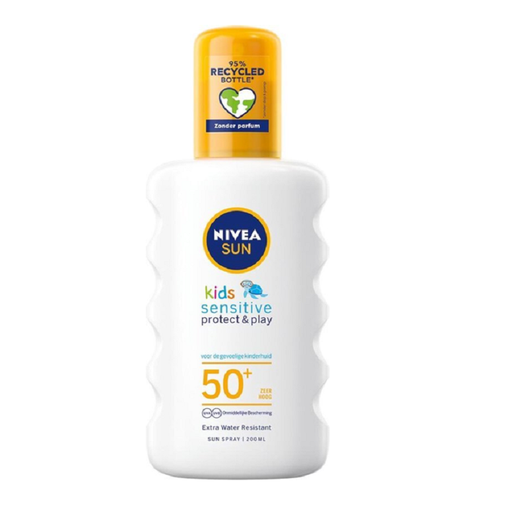
Why This Fits Their Persona: This spray is specially developed for the sensitive skin of babies (from 6 months) and children. The fragrance-free formula and high SPF 50+ provide the necessary protection for a carefree day of outdoor play.
The formula is extra water-resistant, which is practical for active children. However, the packaging emphasizes the importance of regular reapplication, thus sidestepping the "waterproof" myth.
Fragrance-free and suitable for eczema-prone skin. Its skin compatibility has been approved by paediatricians.
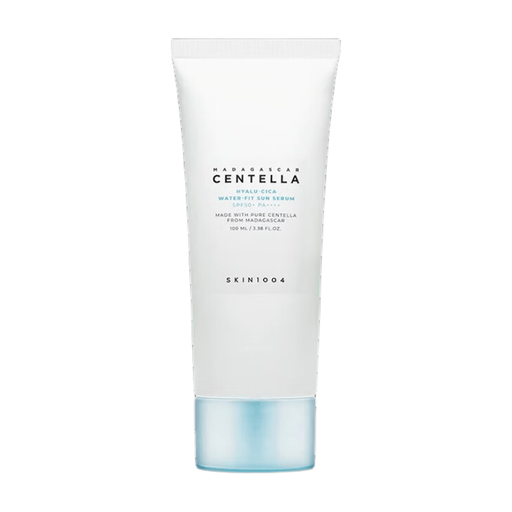
Why This Fits Their Persona: This product is ideal for those who use sunscreen daily as part of their skincare routine. This Korean sunscreen has an ultra-light serum texture that feels like a hydrating lotion, leaving no white cast or sticky feeling.
This product tackles the "wrong texture" pitfall. Its lightweight, pleasant formula encourages daily use, which is the most effective way to protect the skin.
Combines SPF 50+ protection with skincare ingredients like Centella Asiatica and hyaluronic acid for hydration and soothing. Perfect as a face sunscreen under makeup.
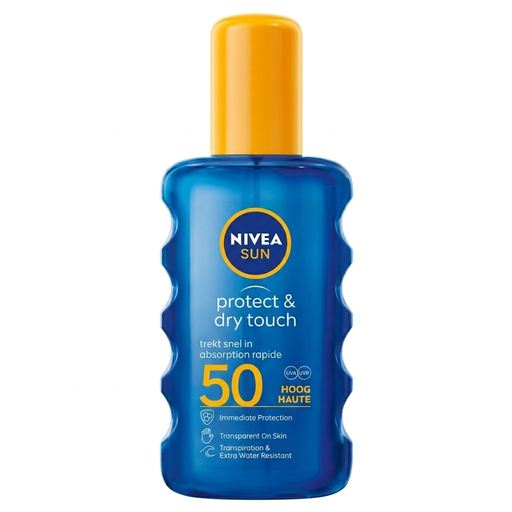
Why This Fits Their Persona: For those who play sports or are very active in the sun, a non-sticky and sweat-resistant formula is essential. This clear sunscreen spray absorbs instantly and leaves no greasy residue, making it comfortable during exercise.
The "Dry Touch" formula prevents the sticky feeling that many people find unpleasant while sweating. The spray is easy to reapply without getting your hands messy.
The formula is extra water- and sweat-resistant. The clear mist is invisible on all skin tones and leaves no white streaks.
We have compiled a complete, up-to-date list of products that fully meet these strict selection criteria and local regulations.
The general rule is to reapply every two hours. You should also reapply sunscreen immediately after swimming, towel drying, or if you have been sweating heavily, even if you are using a water-resistant sunscreen.
Mineral filters (like zinc oxide and titanium dioxide) create a layer on the skin that reflects UV rays. They work immediately upon application. Chemical filters absorb into the skin and convert UV radiation into heat. Both types are safe and effective. The choice depends on your personal preference. Mineral filters can sometimes leave a slight white cast, while chemical filters often feel lighter.
Check the expiration date on the packaging. Additionally, there is often a PAO (Period After Opening) symbol, which looks like an open jar with a number inside (e.g., 12M). This indicates how many months the product is good for after opening. If the sunscreen smells strange, has changed colour, or has a different texture, it's time to replace it.
