
Vandaag of morgen in huis

Kwaliteit gegarandeerd

Welkomstaanbiedingen ontgrendelen: GRATIS bezorging | Tot 80% korting | Gratis 30 dagen JoyPlus-proefperiode
Download de app
Sun protection is essential, but the search for the right bottle can be frustrating. You buy a new sunscreen, but after just one use, it's relegated to the back of the cabinet. It’s sticky, leaves a white cast, or causes your makeup to apply unevenly. The result? Wasted money and an unused product.
As a Joybuy Product Recommendation Officer, I see the challenges consumers face every day. Many marketing promises sound great, but in practice, the products disappoint. Let's go over the three most common pitfalls so your next purchase can be a success.
white cast simply won't get used. The user experience is just as important as the protection factor.To avoid a bad buy, it's helpful to pay attention to a few objective specifications. This will help you see past the marketing and choose a product that truly suits you.
The SPF (Sun Protection Factor) on the packaging indicates how well a product protects against UVB radiation, the rays that cause sunburn.
The difference in protection between SPF 30 and SPF 50 is smaller than you might think. More importantly, you must apply it generously and regularly. Also, look for the UVA logo (a circle with 'UVA' inside). This guarantees the product also protects against UVA radiation, which penetrates deeper into the skin and contributes to skin ageing.
The texture determines whether you'll enjoy using a product. The choice depends on your skin type and activity.
Look for formulas that are tailored to specific needs.
Based on these criteria, we have selected a few products that fit different user profiles.
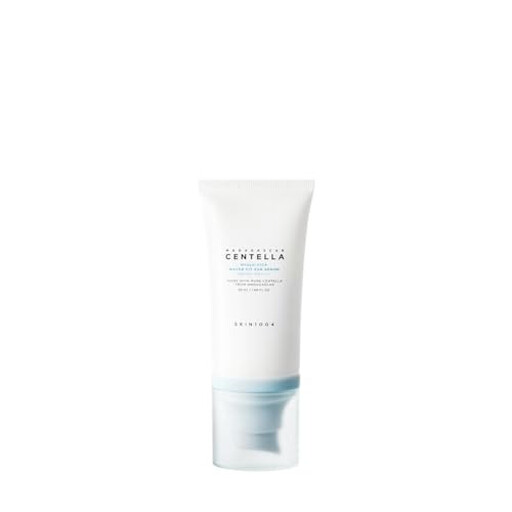
Why This Fits Their Persona: Perfect for those who see sunscreen as a luxurious part of their skincare routine. The serum texture combines high protection with hydration and a radiant finish, without the feel of a traditional sunscreen.
The ultra-light serum formula absorbs instantly and doesn't feel like a heavy, sticky cream. It leaves no white cast, but rather a subtle glow.
The Hyalu-Cica formula, a combination of hyaluronic acid and Centella Asiatica, intensely hydrates and soothes the skin.
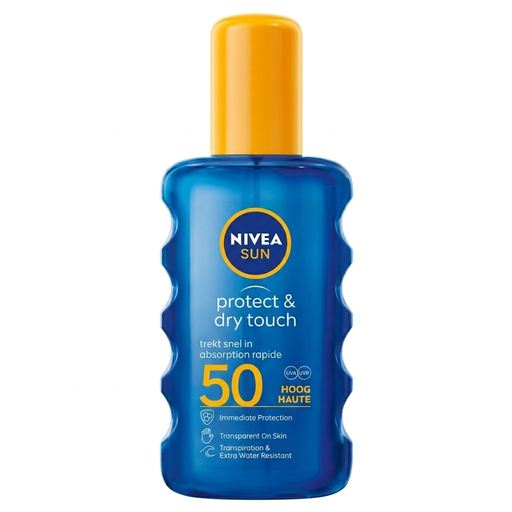
Why This Fits Their Persona: Ideal for those who are always on the move. This sunscreen spray is easy to apply, even on the back, and is extra water- and sweat-resistant. Perfect for a run, a bike ride, or a day on the water.
The 'Dry Touch' formula is non-greasy and non-sticky, so sand and dirt won't cling to your skin. The transparent mist prevents the dreaded white cast.
Absorbs very quickly, is invisible on all skin tones, and is suitable for use during sports.
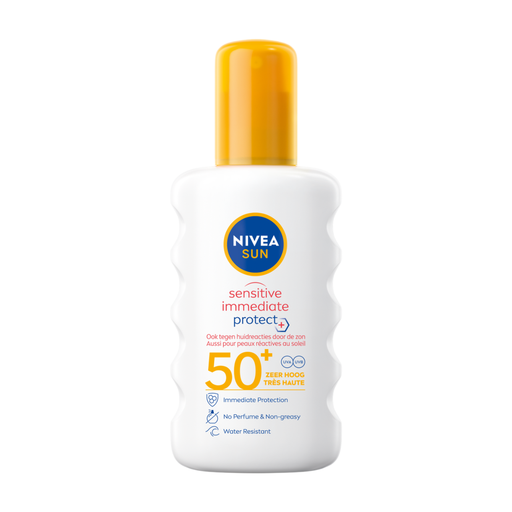
Why This Fits Their Persona: A reliable choice for those with skin that reacts quickly to sun and cosmetics. This Nivea sunscreen offers high protection without irritating additives.
This fragrance-free formula minimises the risk of skin irritation. The addition of aloe vera and jojoba oil helps to soothe the skin rather than aggravate it.
Fragrance-free, water-resistant, and dermatologically approved for sensitive skin.
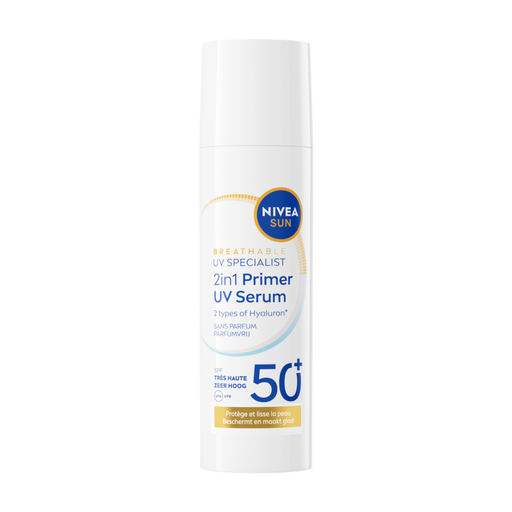
Why This Fits Their Persona: Combines high sun protection with a primer, helping makeup last longer and look better. A smart step to speed up the morning routine without compromising on protection.
Prevents foundation from 'pilling' over sunscreen. The lightweight, non-sticky formula creates a smooth base and doesn't clog pores.
Functions as a primer for a long-lasting makeup finish and contains hyaluronic acid for extra hydration throughout the day.
We have compiled a complete, up-to-date list of products that meet these selection criteria and current regulations.
The general rule is to reapply every two hours. You should also reapply immediately after swimming, heavy sweating, or towel drying, even if you are using a waterproof sunscreen.
Check the packaging for the PAO (Period After Opening) symbol. This is an icon of an open jar with a number in it, for example, '12M'. This means the product is good for 12 months after opening. If the smell, colour, or texture has changed, it's safer to buy a new bottle.
Mineral filters (like zinc oxide and titanium dioxide) form a layer on the skin that reflects UV rays. They work immediately upon application and are often well-tolerated by sensitive skin. Chemical filters absorb into the skin and convert UV radiation into heat. These formulas are often lighter in texture and don't leave a white cast. The products we've highlighted here primarily use chemical filters for a pleasant, lightweight texture.
