
Vandaag of morgen in huis

Kwaliteit gegarandeerd

Welkomstaanbiedingen ontgrendelen: GRATIS bezorging | Tot 80% korting | Gratis 30 dagen JoyPlus-proefperiode
Download de app
The sunscreen aisle can be overwhelming. Dozens of bottles promise perfect protection, but in reality, many products fall short. They're too thick, leave a white cast, or irritate the skin. As a Product Recommendation Officer at Joybuy, I see the challenges consumers face every day. Before you make a choice, it's important to recognise a few common pitfalls.
The 3 pitfalls of buying sunscreen:
To make a good choice, you need to look beyond the marketing. These three specifications determine the quality and suitability of a sunscreen.
The SPF (Sun Protection Factor) on the bottle only indicates the level of protection against UVB radiation, the rays that cause sunburn. Equally important is protection against UVA radiation, which penetrates deeper into the skin and is the main cause of premature skin ageing (wrinkles and dark spots).
The texture of a sunscreen determines whether you'll actually want to use it every day. A sticky, thick cream for your face is far from ideal. Fortunately, many different formulas are available today.
A modern facial sunscreen is more than just protection; it's an extension of your skincare routine.
Based on these criteria, we have selected a number of products that suit different needs and lifestyles.
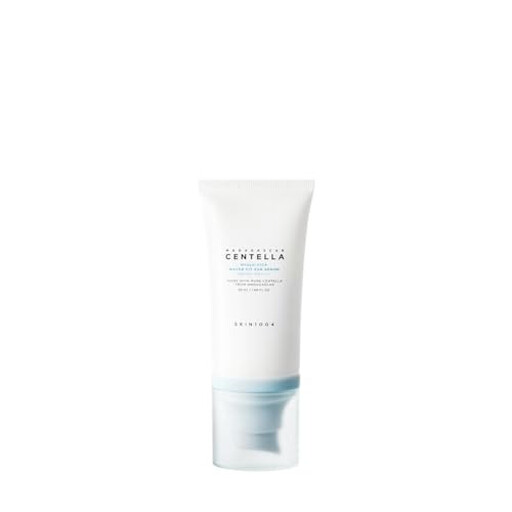
Why This Fits Their Persona: Perfect for those who want daily protection without the heavy, layered feeling. The serum texture is ideal for use under makeup and for a quick morning routine.
This formula tackles the 'white cast' pitfall. As a Korean sunscreen with a serum texture, it absorbs without leaving a visible trace, making it suitable for all skin tones.
Offers SPF 50+ and PA+++ protection. The Hyalu-Cica formula combines hyaluronic acid for hydration and Centella Asiatica to soothe the skin.
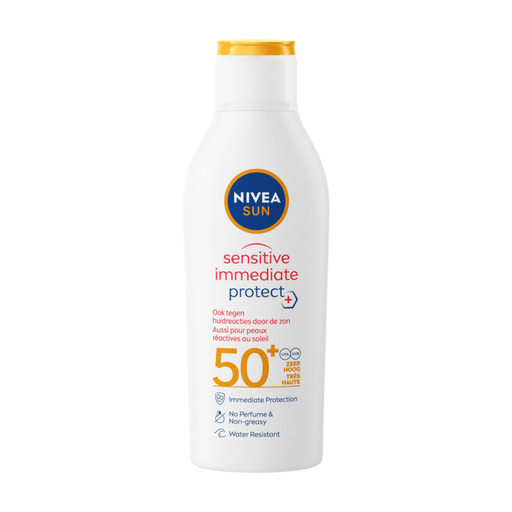
Why This Fits Their Persona: For anyone prone to skin irritation from the sun or sunscreen products. This formula is focused on minimising reactions and calming the skin.
This product focuses on proven, gentle ingredients rather than vague marketing claims. It is fragrance-free, a common cause of irritation for sensitive skin.
Specially developed for sensitive skin with SPF 50+. The formula is enriched with soothing aloe vera and antioxidants and is water-resistant.
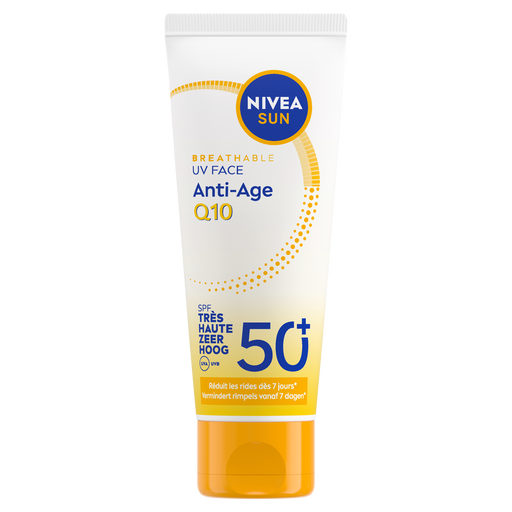
Why This Fits Their Persona: For those who see sun protection as the most critical step in an anti-ageing routine. This product combines high protection with active anti-ageing ingredients.
This product goes beyond just a high SPF. It offers a dual-action approach by combining broad-spectrum UV protection with ingredients targeted at reducing wrinkles.
Combines SPF 50+ protection with Q10 and collagen peptides. According to Nivea, the formula helps to visibly reduce wrinkles and firm the skin.
We have compiled a complete, up-to-date list of products that fully meet these strict selection criteria and local regulations.
A common guideline is the 'two-finger rule'. Apply a line of sunscreen to your index and middle fingers. This amount is typically sufficient for your face and neck. Applying too little product significantly reduces the protection factor.
Check the packaging for a symbol of an open jar with a number inside it (e.g., '12M'). This number indicates how many months the product is good for after opening. If the sunscreen has changed in colour, smell, or texture, or if the expiry date has passed, it's time to replace it. The effectiveness of the filters can decrease over time.
