
Vandaag of morgen in huis

Kwaliteit gegarandeerd

Welkomstaanbiedingen ontgrendelen: GRATIS bezorging | Tot 80% korting | Gratis 30 dagen JoyPlus-proefperiode
Download de app
Buying a bottle of sunscreen seems straightforward – until you have to choose between SPF 50, SPF 30, lotion, milk, a product for sensitive skin or a water-resistant option. Marketing copy often emphasises extra care, long-lasting performance or fast absorption. That sounds appealing, but it doesn’t always tell you what you really need in practice.
The three most common pitfalls:
SPF 30 sunscreen can be suitable for daily use and less intense exposure, as long as you apply generously and regularly. SPF 50 or SPF 50+ sunscreen is often the recommended choice for young children, very fair or sensitive skin, and situations with prolonged exposure such as the beach, mountains or sport, according to the product information.
A higher factor doesn’t mean you can stay in the sun indefinitely. Avoid the strongest sun, seek shade and cover your skin with clothing. According to the safety information on the products mentioned, babies and young children should be kept out of direct sunlight.
UVB radiation plays a major role in sunburn. UVA radiation penetrates deeper into the skin. So choose a product where both types of protection are clearly stated. The products in this selection all mention UVA/UVB protection in their description or usage information.
Also pay attention to the packaging and ingredients list if you have sensitive reactions. A sunscreen for sensitive skin isn’t automatically suitable for everyone. Fragrance, alcohol or certain plant extracts can be less pleasant for some users. If in doubt, test a small amount on your skin first and stop if irritation occurs.
A sunscreen milk or sunscreen lotion is handy for arms, legs and torso because you can spread it relatively quickly. A cream or ampoule-like texture can be more pleasant for the face. For face and body, it’s practical to check whether the manufacturer mentions both areas of use.
Look out for these points:
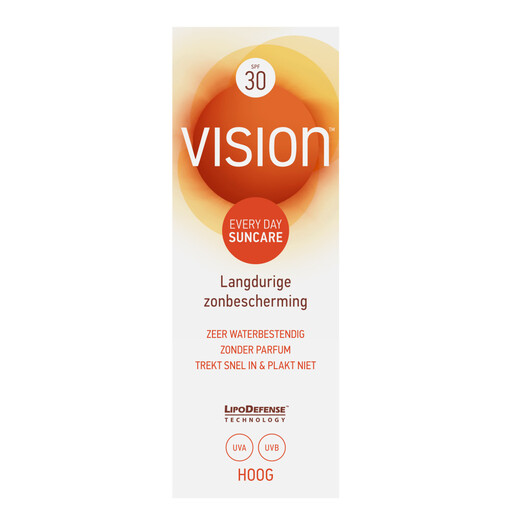
Why this fits the profile: The 90 ml size is manageable for occasional use, a day out or to take with you. The product information states UVA and UVB protection and an SPF 30 factor.
The factor and contents are clearly stated. The usage instructions emphasise applying generously and reapplying every two hours, even after swimming, towel-drying or sweating.
SPF 30, 90 ml and ingredients including glycerine and vitamin E according to the product list.
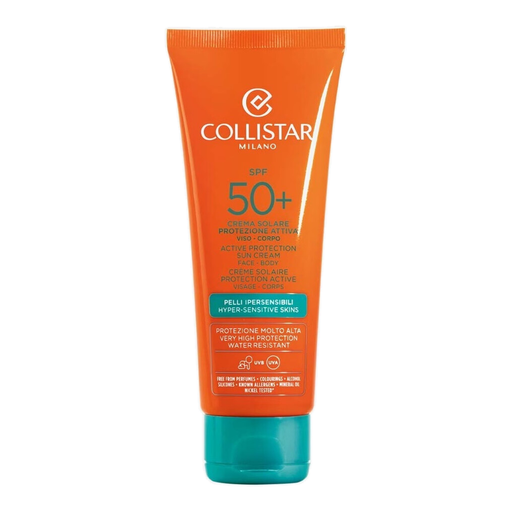
Why this fits the profile: This is an SPF 50+ cream for face and body, with a mention in the product details for sensitive skin, adults and children.
The application isn’t limited to one body part. The product details mention water resistance and UVA-UVB protection; reapplication is still necessary.
SPF 50+, 100 ml, cream formula and stated as suitable for face and body.
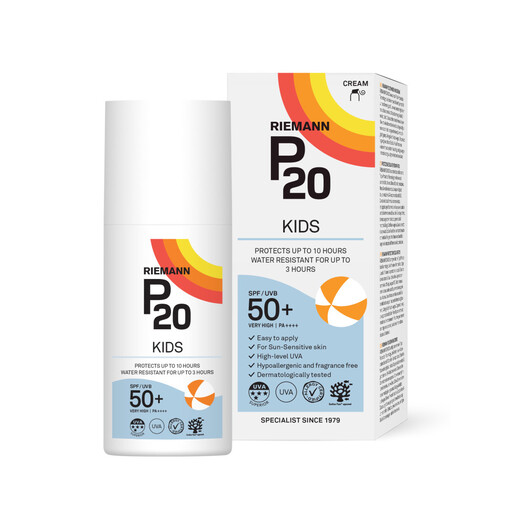
Why this fits the profile: The 200 ml lotion is designed for children and longer days outdoors. The usage information mentions extra attention for ears, nose, shoulders, lower legs and feet.
The instructions explain that sufficient quantity and reapplication are important when the product has been removed through playing, towel-drying or swimming.
SPF 50+, 200 ml and a formula containing glycerine among other ingredients; designed for use on children.
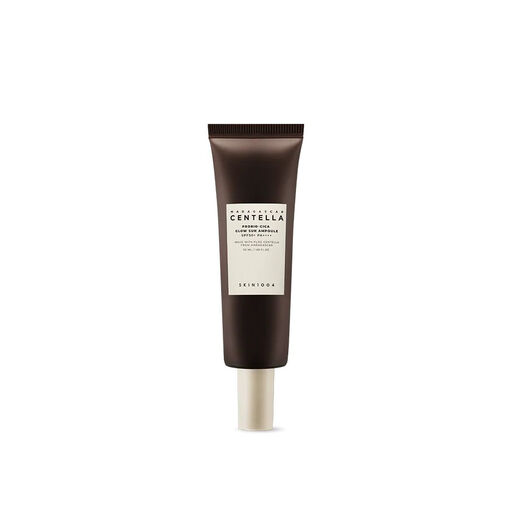
Why this fits the profile: The ampoule is intended for face, neck, arms and legs. The product information states SPF 50+ and PA++++, a watery texture and use for dry, normal and sensitive skin.
The compact size makes dosing and carrying easy. The instructions advise a patch test for sensitive skin and reapplication after two hours or contact with water.
50 ml, SPF 50+, PA++++ and ingredients including glycerine, panthenol and centella asiatica according to the product list.
We’ve put together a full, up-to-date list of products that fully meet these strict selection criteria and comply with current European safety regulations.
Not for every situation. SPF 50 or SPF 50+ can be a logical choice for children, fair or sensitive skin and prolonged exposure. SPF 30 can be suitable for shorter daily use. The amount you apply and reapplying are at least as important as the number on the packaging.
Check the expiry date, the symbol for use after opening and the information on the packaging. Heat and direct sunlight can affect the formula. If a product smells different, has separated or changed in texture, it’s best not to use it.
You can if the packaging states both areas of use. For the face, some users prefer a lighter texture, a fragrance-free formula or a compact product. Always check the ingredients and test a new sunscreen for sensitive skin on a small area first.
