
Vandaag of morgen in huis

Kwaliteit gegarandeerd

Welkomstaanbiedingen ontgrendelen: GRATIS bezorging | Tot 80% korting | Gratis 30 dagen JoyPlus-proefperiode
Download de app
Buying sunscreen seems simple until you're faced with a wall of options. One bottle promises a "total block," while another boasts an "invisible feel." Many of these claims lead to confusion and unnecessary spending. Before you invest in your next bottle, it's wise to know what to look for to avoid buying a product that isn't right for you.
The most common pitfalls are often subtle:
To avoid buyer's remorse, it's best to focus on a few objective specifications. These determine whether a sunscreen is truly suitable for your skin and lifestyle.
The SPF (Sun Protection Factor) on the packaging indicates the level of protection against UVB radiation, the rays that cause sunburn. But UVA radiation, which penetrates deeper into the skin and contributes to skin aging, is just as harmful.
Sunscreens use two types of filters. The choice between them depends on your skin type and personal preference.
The best sunscreen is the one you'll actually use. Texture is a decisive factor here.
Based on these criteria, we have selected a number of products that suit different needs and lifestyles.
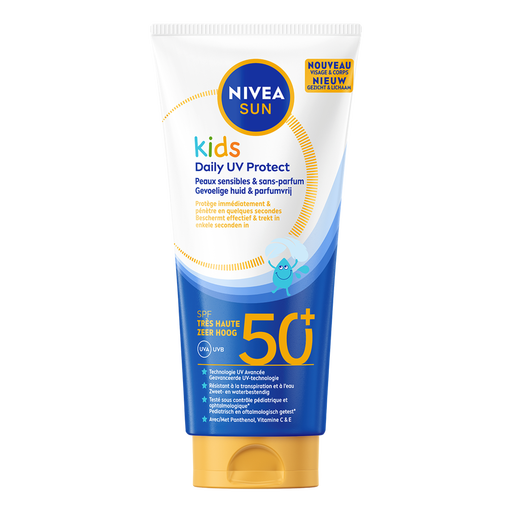
Why This Fits Their Persona: This sunscreen is specially formulated for sensitive children's skin. The high SPF 50+ and its fragrance-free, non-sticky formula make it a practical choice for daily use, whether for school or a day at the beach.
The formula is extra water- and sweat-resistant, but the focus is on reliable protection rather than unrealistic promises. The product is pediatrician-approved, which builds trust in its formulation for delicate skin.
Specifically for sensitive children's skin, fragrance-free, and absorbs quickly. Offers very high SPF 50+ protection against both UVA and UVB.
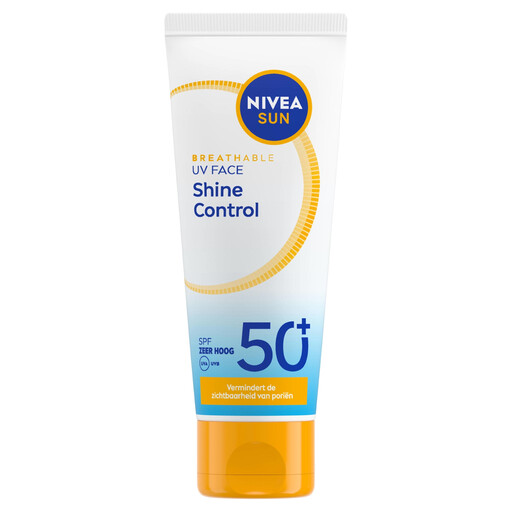
Why This Fits Their Persona: Ideal for anyone looking to combat a shiny complexion. This facial sunscreen is designed for an immediate and long-lasting mattifying effect, making it a perfect base for makeup or for a shine-free look throughout the day.
This product directly addresses the "sticky texture" pitfall. Its lightweight, non-greasy formula with a 'dry-touch' feel encourages daily use, as it feels comfortable and doesn't clog pores.
Provides a long-lasting mattifying effect and oil control. The formula is non-comedogenic and absorbs quickly without leaving a white cast.

Why This Fits Their Persona: For those seeking a sunscreen that feels like a luxurious day cream. This Korean sunscreen is renowned for its lightweight, hydrating texture that blends seamlessly into the skin, even on sensitive types.
This product bypasses the pitfall of a white cast and a heavy feel. The formula is so light and comfortable that it feels like skincare, which lowers the barrier to daily application.
Very lightweight, hydrating texture with no white cast or sticky feeling. Contains 30% rice extract and probiotics for added skincare benefits.
We've curated a complete, up-to-date list of products that fully meet these strict selection criteria and local regulations.
1. How much sunscreen should I use? A common mistake is applying too little. For your face and neck, you can follow the "two-finger rule": a line of sunscreen on your index and middle fingers is sufficient. For your body, you need about the amount of a full shot glass (approx. 30 ml). Apply generously and don't forget spots like your ears, feet, and the backs of your knees.
2. Can I still use last year's sunscreen? Check the packaging for the PAO (Period After Opening) symbol, which looks like an open jar with a number inside (e.g., 12M). This indicates how many months the product remains effective after opening. If the sunscreen smells strange, has changed in colour or texture, or if the expiration date has passed, it's time for a new one. The effectiveness of the filters diminishes over time.
3. What is the difference between sunscreen for the face and for the body?Facial sunscreen often has a lighter, non-comedogenic formula that is less likely to clog pores. These products are designed to be comfortable for daily use, including under makeup. Sunscreen for the body can be thicker and greasier, which is fine for larger areas but less pleasant for the face.
