Joybuy Insights

Sunscreen Guide: How to Choose the Right Protection Without Gimmicks

The sunscreen aisle can be overwhelming. Dozens of bottles promise perfect protection, but how do you know which one delivers on its promise and which is just clever marketing? Many people buy a product that doesn't suit their skin or lifestyle, leaving it unused in a cabinet. As a Joybuy Product Recommendation Officer, I'll help you cut through the noise and make a choice based on what truly matters.

Before we look at products, let's discuss a few common pitfalls:

  1. The "Water-Resistant" Myth: A "water-resistant" label doesn't mean you're protected all day after one dip. According to EU guidelines, it means the SPF protection remains at least 50% effective for a specific duration after water contact (usually 2x 20 minutes). Regular reapplication, especially after swimming, sweating, or towel-drying, is still essential.
  2. Focusing Only on SPF: A high SPF is important, but it primarily protects against UVB radiation (the cause of sunburn). UVA radiation, which penetrates deeper into the skin and contributes to skin aging and other damage, is just as crucial. A good sunscreen offers "broad-spectrum" protection against both.
  3. The "One-Size-Fits-All" Bottle: The heavy, sticky sunscreen for a beach day is not the same one you'll comfortably wear under your makeup every day. Choosing a formula that fits your specific use case and skin type is the key to consistent protection.

What to Look for When Choosing a Sunscreen

To avoid buyer's remorse, it's helpful to understand a few core specifications. These determine the effectiveness and wearability of a sunscreen.

  • SPF (Sun Protection Factor): This number indicates the level of protection against UVB radiation. A sunscreen with SPF 50 is a popular and wise choice for the face and for people with fair or sensitive skin. It blocks about 98% of UVB rays, while SPF 30 blocks about 97%. The difference may seem small, but for daily protection or during peak sun intensity, every little bit counts.
  • UVA Protection: Look for the UVA logo (the letters 'UVA' in a circle) on the packaging. This guarantees that the UVA protection is at least one-third of the SPF value, as recommended by the European Commission. With Korean sunscreens, you'll often see the PA rating (from PA+ to PA++++). PA++++ offers the highest level of UVA protection and is a good indicator of an effective anti-aging sunscreen.

2. Formula and Finish: Tailored to Your Skin

The texture of a sunscreen determines whether you'll enjoy using it. Manufacturers now offer specialized formulas:

  • For oily or acne-prone skin: A mattifying sunscreen with ingredients like niacinamide or silica can absorb excess sebum and prevent a shiny complexion. Opt for lightweight "fluid" or "gel" textures that won't clog pores (non-comedogenic).
  • For dry skin: A hydrating sunscreen, often in a cream or serum form with ingredients like hyaluronic acid or glycerin, provides protection and skincare in one.
  • For an even complexion: A tinted sunscreen can conceal minor imperfections and give your skin an even, healthy glow. It's a practical substitute for foundation on sunny days.
  • For the little ones:Sunscreen for children often has an extra-gentle, fragrance-free formula and is typically extra water-resistant to provide protection during playtime.

Our Recommended Product Picks

Based on these criteria, we've selected a few products that suit different user profiles.
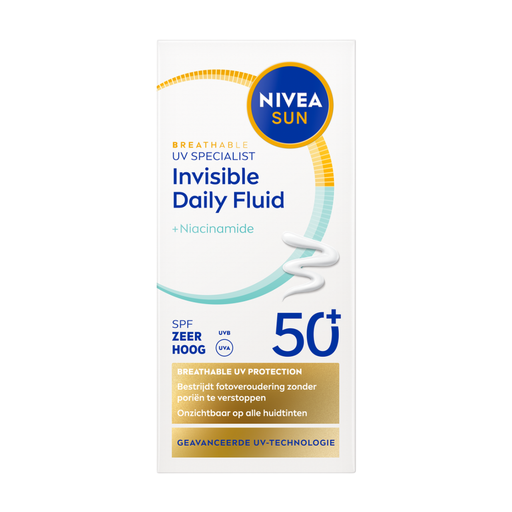
MATCH FOR: THE DAILY USER
NIVEA SUN UV Face Invisible Daily Fluid Ultra-Light Face Sunscreen - SPF 50+

NIVEA SUN UV Face Invisible Daily Fluid SPF 50+

Why This Fits Their Persona: Ideal for those seeking a reliable facial sunscreen that's invisible under makeup and doesn't feel greasy. Perfect for the daily routine, from the commute to an afternoon on a city terrace.

How It Avoids the Trap

This formula bypasses the "one-size-fits-all" pitfall. It's an ultra-light fluid designed specifically for the face, not a thick body lotion. This enhances comfort and encourages daily use.

Key Advantage & Pros

The formula absorbs instantly without leaving a white cast and provides an 8-hour mattifying effect, according to NIVEA, making it an excellent base for makeup.
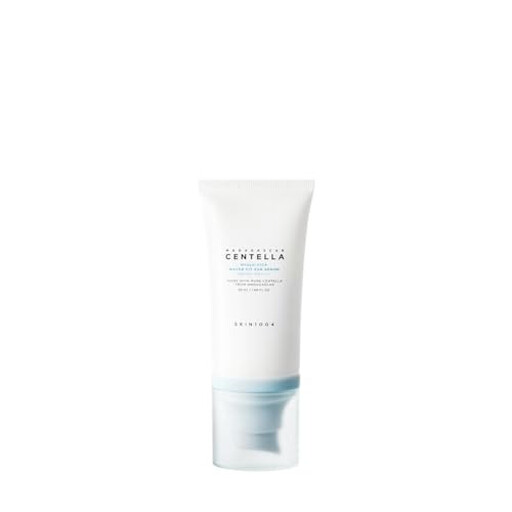
MATCH FOR: THE SKINCARE ENTHUSIAST
SKIN1004 Madagascar Centella Hyalu-Cica Water-Fit Sun Serum

SKIN1004 Madagascar Centella Hyalu-Cica Water-Fit Sun Serum

Why This Fits Their Persona: For those who see sunscreen as an extension of their skincare routine. This Korean sunscreen combines high protection with hydrating and soothing properties, packaged in an elegant serum texture.

How It Avoids the Trap

This product doesn't just focus on SPF, but also on skincare. The Hyalu-Cica formula (hyaluronic acid and centella asiatica) provides active hydration and soothes the skin, making it more than just a protective layer.

Key Advantage & Pros

The ultra-light serum formula absorbs quickly without a sticky feeling or white cast, leaving a subtle, healthy glow. It offers SPF 50+ and PA++++ protection.
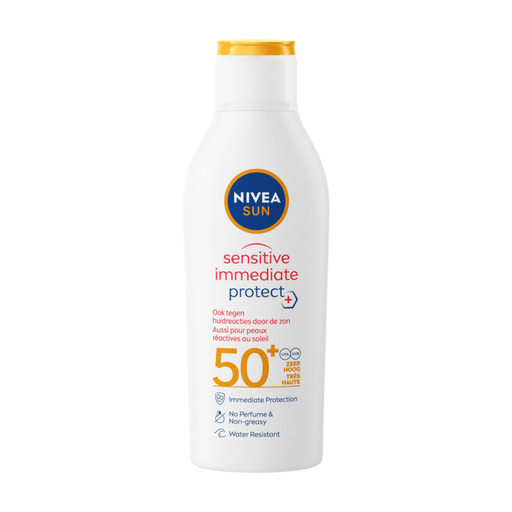
MATCH FOR: SENSITIVE SKIN
NIVEA SUN Sensitive Immediate Protect Sunscreen Milk - Sensitive skin - SPF 50+

NIVEA SUN Sensitive Immediate Protect Sun Milk SPF 50+

Why This Fits Their Persona: Suitable for anyone whose skin reacts easily to sun and cosmetics. This sun milk is specially formulated to minimize the risk of skin irritation, for both adults and children's sensitive skin.

How It Avoids the Trap

Many sunscreens contain fragrance, a common cause of irritation. This formula is fragrance-free and focuses on soothing ingredients, making it a safer choice for reactive skin.

Key Advantage & Pros

The formula is enriched with aloe vera and antioxidants to soothe the skin and protect against sun-induced reactions. The product is highly water-resistant.

Looking for More Options?

We've compiled a complete, up-to-date list of products that meet these strict selection criteria and comply with Dutch regulations.

Frequently Asked Questions

How much sunscreen should I use on my face?

A common and easy-to-remember guideline is the "two-finger rule." Apply a line of sunscreen to your index finger and another to your middle finger. This amount is generally sufficient for your face and neck. Applying too little significantly reduces the indicated SPF protection.

Can I still use last year's sunscreen?

Always check the packaging. Look for the expiration date or the PAO (Period After Opening) symbol, which looks like an open jar with a number inside (e.g., "12M" for 12 months). If the sunscreen is past its date, or if the texture, color, or smell has changed, it's time to replace it. The effectiveness of UV filters diminishes over time.

What's the difference between mineral and chemical sunscreen?

It's a technical difference in how they work:

  • Mineral (or physical) filters, such as zinc oxide and titanium dioxide, form a layer on the skin that reflects UV radiation. They work immediately upon application and are often a good choice for very sensitive skin. A potential downside is a white cast, although modern formulas are getting much better at preventing this.
  • Chemical (or organic) filters are absorbed by the skin and convert UV radiation into harmless heat. They often have a lighter texture and are easier to spread. They need about 20 minutes to absorb before they are fully effective.

Both types are safe and effective. The choice depends on your personal preference for texture and how your skin reacts.
