
Vandaag of morgen in huis

Kwaliteit gegarandeerd

Welkomstaanbiedingen ontgrendelen: GRATIS bezorging | Tot 80% korting | Gratis 30 dagen JoyPlus-proefperiode
Download de app
A good bottle of sunscreen is essential, whether you're spending a day at the beach or just walking the dog. But the shelves are packed with promises: "waterproof," "for sensitive skin," "anti-aging." It's easy to get lost in the marketing jargon and buy a product that isn't right for you. Before you invest in this year's sun protection, let's break down a few common pitfalls.
To ensure you make the right choice, it's best to focus on the specifications that truly matter. These are the three most important factors.
The SPF (Sun Protection Factor) on the packaging indicates the level of protection against UVB radiation, the rays that cause sunburn. For daily use, SPF 30 is a solid baseline. For days with high sun intensity, for children, or for sensitive skin, SPF 50 or 50+ is a wise choice.
Equally important is protection against UVA radiation, which penetrates deeper into the skin and contributes to skin aging (anti-age). A good sunscreen offers "broad-spectrum" protection. Look for the UVA logo on the packaging (the letters 'UVA' in a circle). This guarantees that the UVA protection is at least one-third of the stated SPF.
Sunscreens use different types of filters to protect the skin. The choice affects the texture and suitability for your skin.
The effectiveness of sunscreen heavily depends on how consistently you use it. Therefore, choose a texture you enjoy.
Based on these criteria, we have selected a few products that cater to different needs and lifestyles.
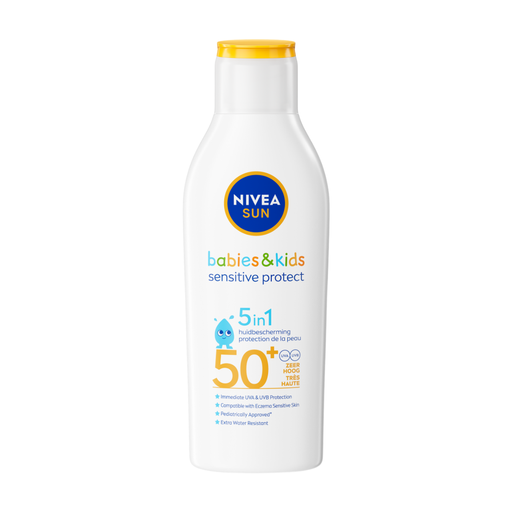
Why This Fits Their Persona: This sun milk is specially formulated for the delicate skin of babies (from 6 months) and children. The high SPF 50+ and water-resistant formula are ideal for a day of play at the beach or in the garden.
The formula is fragrance-free and, according to NIVEA, suitable for eczema-prone skin, thus avoiding the pitfall of irritating "one-size-fits-all" products.
Provides immediate UVA/UVB protection and is extra water-resistant. Its skin compatibility is pediatrician-approved.
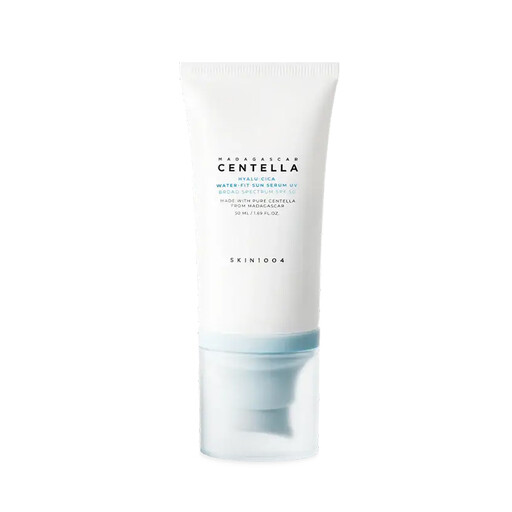
Why This Fits Their Persona: This Korean sunscreen has an ultra-light serum texture that feels like a hydrating day cream. It's ideal for those who dislike the sticky feeling of traditional sunscreens and want a product that works perfectly under makeup.
This formula uses advanced chemical filters that leave no white cast, thereby avoiding the "ghostly face" pitfall.
Combines SPF 50+ protection with skincare ingredients like hyaluronic acid and Centella Asiatica. It absorbs quickly and provides a natural, hydrated finish.
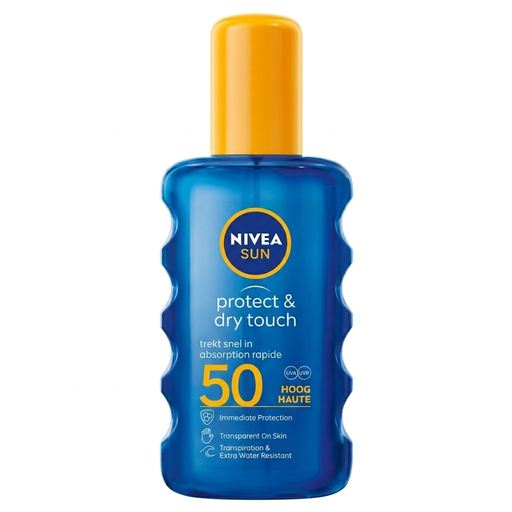
Why This Fits Their Persona: For those who don't want to be hindered by a sticky layer during sports. This transparent sunscreen spray is easy to apply, absorbs instantly, and doesn't feel greasy on the skin.
The formula is sweat- and extra water-resistant, sidestepping the misleading "completely waterproof" claim by performing under active conditions (provided you reapply on time).
Offers high SPF 50 protection in a non-sticky, transparent formula. The spray application is fast and convenient for use during sports.
We've curated a complete, up-to-date list of products that meet these strict selection criteria and comply with safety standards.
A common mistake is applying too little. A good rule of thumb for the body is about 30 ml (a full shot glass) per application for an adult. For your face and neck, you can follow the 'two-finger rule': apply a line of sunscreen on your index and middle fingers. That amount is sufficient for your face and neck.
Check the expiration date on the packaging. Additionally, there is often an open jar symbol with a number inside (e.g., '12M'). This indicates how many months the product is good for after opening. If the texture, color, or smell has changed, it's time to throw the bottle away and buy a new one.
This is an important distinction. Simply put:
