
Vandaag of morgen in huis

Kwaliteit gegarandeerd

Welkomstaanbiedingen ontgrendelen: GRATIS bezorging | Tot 80% korting | Gratis 30 dagen JoyPlus-proefperiode
Download de app
If you’re looking for sunscreen for the face SPF 50 on a daily basis, you’ll quickly come across terms like Korean skincare, hydrating, vegan or no white cast. These descriptions can be helpful, but they don’t always tell you how a product will feel on your skin. A light cream might be comfortable under make-up, for example, while the same formula may need to be reapplied more often if you sweat a lot.
A high SPF also doesn’t mean you’re protected all day. The amount of product you use, how evenly you apply it, and reapplying are just as important. Below, you’ll find out what to look for in a face sunscreen SPF 50+ and which options suit different situations.
SPF mainly tells you about protection against UVB rays, which cause redness and burning. For daily protection, UVA protection is also important. UVA rays penetrate deeper and are present all year round, even on cloudy days.
So, alongside SPF 50 or SPF 50+, always check whether the packaging mentions a UVA rating. With Korean sunscreens, you’ll often see a PA classification, such as PA++++. This rating isn’t exactly the same as the European UVA mark, but it does give you extra information about the stated UVA protection.
A thick, sticky sunscreen often ends up unused in the bathroom. If you want to wear sunscreen under make-up, you’ll usually be better off with a lotion, gel-cream or light fluid. For dry skin, a hydrating sunscreen with glycerine, hyaluronic acid or soothing oils can feel more comfortable.
If you have oily or combination skin, look for terms like matte finish, airy-fit or non-sticky. However, a matte formula isn’t automatically suitable for sensitive skin. Always check the full ingredients list and watch out for fragrance, alcohol or any known personal triggers.
Mineral filters like zinc oxide and titanium dioxide can leave a slight white cast, especially on darker skin or if you apply too much product at once. Some products explicitly state they don’t leave a white cast, but the result varies depending on your skin type and how much you use.
If you want a sunscreen without a white cast, it’s better to apply two thin layers. With a tinted tone-up formula, you might get a visible colour correction instead. That’s handy if you’re after a more even complexion, but less suitable if you expect a completely transparent finish.
For daily use on your face, choose a product with SPF 50 or SPF 50+ and clearly stated UVA protection. Apply it as the last step of your morning routine, after your moisturiser. For your face and neck, the amount is often around two finger-lengths. Always follow the exact usage instructions on the packaging.
Reapply after swimming, exercise, heavy sweating or drying yourself with a towel. With prolonged exposure, it’s generally recommended to reapply every two hours.
An ingredients list shows which UV filters and nourishing ingredients are included. Claims about extra effects, such as reducing pigmentation or skin ageing, should be read as brand claims. According to the brand’s own research, specific results may be linked to these; they don’t automatically apply to every user.
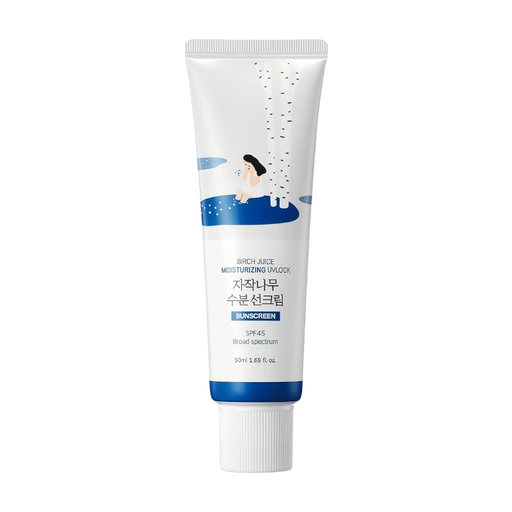
Why this fits the profile: A practical Korean sunscreen for anyone looking for one daily face formula with a nourishing feel and a compact 50 ml size.
The ingredients list mentions multiple UV filters and nourishing ingredients such as glycerine, sodium hyaluronate and birch juice. Always check the current packaging.
50 ml; chemical UV filters; hydrating ingredients in the stated formula.

Why this fits the profile: Aimed at adults who want a light, hydrating sunscreen for daily use and value a fragrance-free formula.
The product information mentions a light texture, no white cast and no sticky feeling. A fragrance-free formula is also stated.
SPF 50+ and PA+++ according to the product information; 30% rice extract; suitable for all skin types according to the stated specifications.
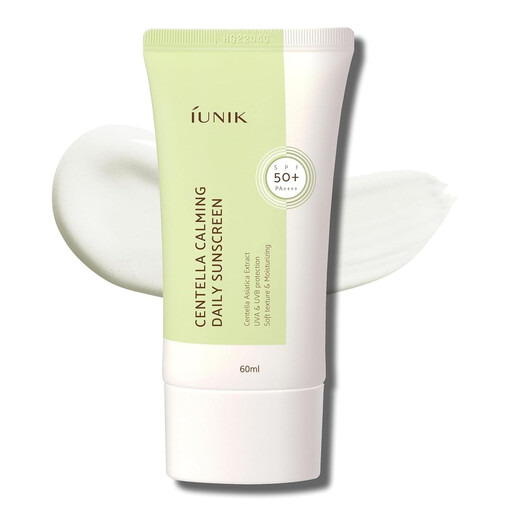
Why this fits the profile: For anyone looking for a fragrance-free, vegan-labelled face sunscreen for work, commuting and longer days outdoors.
The product description mentions UVA and UVB protection, no fragrance and a non-sticky finish. Reapplication is still needed after sweating or swimming.
60 ml; SPF 50+ PA++++ according to the product listing; fragrance-free and vegan according to the stated specifications.
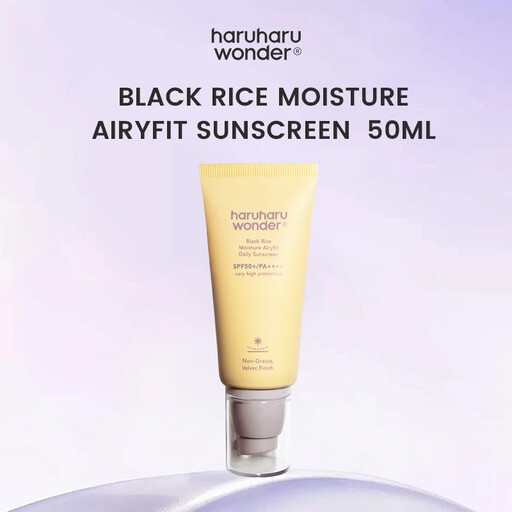
Why this fits the profile: The stated formula combines a light finish with hydrating ingredients, making it interesting for daily use without a heavy layered feel.
According to the product information, the texture is non-greasy and leaves no white cast. If you have sensitive skin, test a small amount first.
SPF 50+ PA++++ according to the product listing; black rice extract, glycerine and ceramide NP are in the ingredients list.
We’ve put together a full, up-to-date list of products that fully meet these strict selection criteria and comply with current European safety regulations.
SPF 30 can be sufficient for some situations, but SPF 50 or SPF 50+ offers a higher stated UVB protection. That can be practical if you’re outdoors a lot, burn easily or don’t apply much product. No SPF makes prolonged sun exposure without reapplying a sensible idea.
Yes, choose a light formula that absorbs quickly and doesn’t pill when you apply other products over it. Let your skincare sink in first, then apply the sunscreen evenly. Test a new formula before using it on a long workday or for an event.
Check the expiry date and the open-jar symbol on the packaging. Store sunscreen in a cool place away from direct sunlight. A change in smell, colour or texture is a reason not to use the product any more. Once opened, the shelf life may be shorter than the unopened expiry date.
