
Vandaag of morgen in huis

Kwaliteit gegarandeerd

Welkomstaanbiedingen ontgrendelen: GRATIS bezorging | Tot 80% korting | Gratis 30 dagen JoyPlus-proefperiode
Download de app
A baby's skin is delicate and requires careful protection from the sun. As a parent, you want a product that is safe and provides effective protection, especially if your child has sensitive or eczema-prone skin. However, the shelves are packed with options and marketing promises that make the choice difficult. As a result, many parents buy products that are not ideal for their child's specific needs.
Before you make a choice, it's helpful to understand a few common pitfalls:
To avoid a bad purchase, there are a few specifications you should always check. These objective criteria help you see through the marketing and choose a product that is genuinely suitable.
For delicate baby skin, the highest possible protection is the standard. Always choose a baby sunscreen SPF 50+. This factor offers very high protection against UVB rays, which cause sunburn. Equally important is broad-spectrum UVA protection. UVA rays penetrate deeper into the skin and can cause long-term damage. A good product protects against both.
Sunscreens use two types of filters. For sensitive skin, a mineral filter is often recommended.
A short and clear ingredient list is often a good sign. For the most sensitive skin types, look for a product that specifically states it is fragrance-free. Fragrance is one of the most common causes of skin irritation. Also, check the list for:
Based on product specifications, we have selected a few options that cater to the different needs of parents.
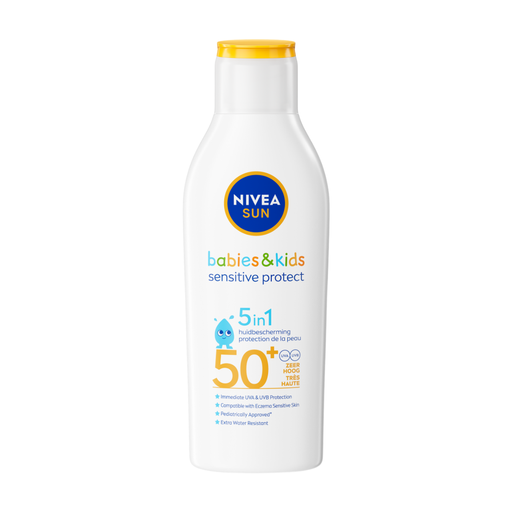
Why This Fits Their Persona: This sun milk is specifically developed for the most delicate skin types, including those prone to eczema. The formula is focused on minimising risks, so you can apply it to your child with peace of mind.
The formula is fragrance-free and contains no dyes or preservatives. This directly addresses the pitfall of irritating additives, even in products marketed as "gentle."
Specifically suitable for eczema-prone skin; extra water-resistant. The skin compatibility is paediatrically approved.
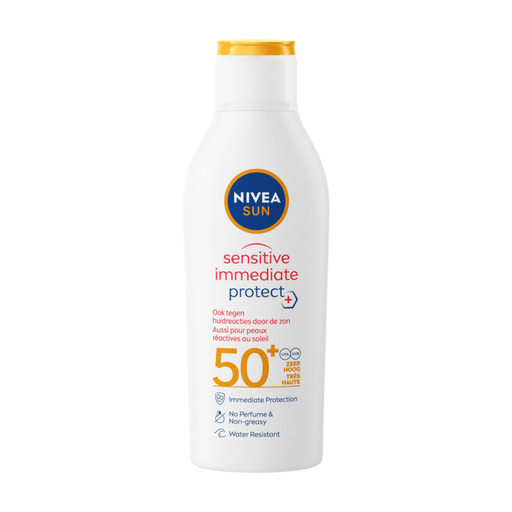
Why This Fits Their Persona: For parents of active toddlers and young children who play and swim outdoors a lot. This sun milk offers high, reliable protection that stays on well while also soothing the skin.
This product is fragrance-free and focuses on preventing sun-induced irritations. It doesn't just focus on SPF but also on soothing ingredients like aloe vera, which helps the skin after sun exposure.
Highly water-resistant and enriched with aloe vera and antioxidants to soothe the skin and protect against sun-induced skin reactions.
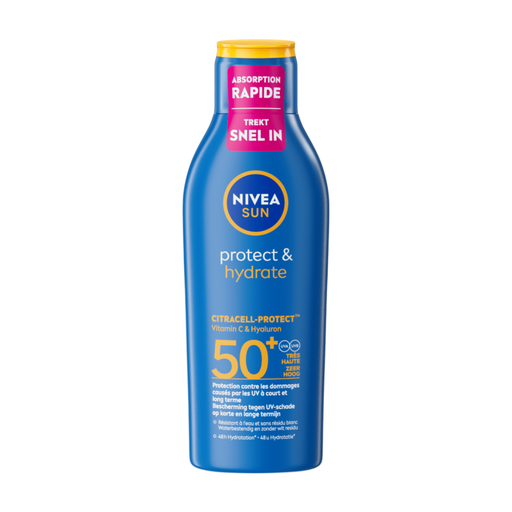
Why This Fits Their Persona: For the family looking for a reliable, hydrating sunscreen that is suitable for everyone. A practical choice for a day out, with high protection for both children and adults.
This product offers high SPF 50+ protection and focuses on hydration. Please note: it contains fragrance and is therefore less suitable for extremely sensitive baby skin or eczema, but it's a good option for the rest of the family.
Provides long-lasting hydration; up to 48 hours according to Nivea. The formula is water-resistant and absorbs quickly without leaving a white cast.
We have compiled a complete, up-to-date list of products that meet strict selection criteria and regulations for sensitive skin.
The general advice is to keep babies younger than 6 months completely out of direct sunlight. Their skin is still too delicate. From 6 months onwards, you can start using sunscreen. Choose a product specifically developed for baby skin, such as the options mentioned above.
A mineral sunscreen forms a physical layer on the skin that reflects UV rays. This type is often better tolerated by sensitive skin. A chemical sunscreen absorbs into the skin and converts UV radiation into heat. Both are effective, but for babies and children with sensitive skin or eczema, a mineral filter is often preferred.
Reapply sunscreen to your child every two hours. Also, do this immediately after swimming, towel-drying, or if your child has been sweating heavily. Even a water-resistant sunscreen loses its effectiveness over time. Be generous with the amount you apply to ensure good coverage.
