
Vandaag of morgen in huis

Kwaliteit gegarandeerd

Welkomstaanbiedingen ontgrendelen: GRATIS bezorging | Tot 80% korting | Gratis 30 dagen JoyPlus-proefperiode
Download de app
Sunglasses with UV400 protection can be comfortable to wear when cycling, driving, travelling or spending time outdoors. However, a striking frame or dark lens doesn’t automatically tell you everything you need to know. There are three common pitfalls to watch out for, especially when shopping online.
First, a dark lens is sometimes mistaken for UV protection. The tint mainly determines how much visible light reaches your eyes, so always check that UV400 is clearly stated in the product specifications. Second, “polarised” doesn’t automatically mean the sunglasses are suitable for every situation. Polarisation can reduce glare from wet roads or water, but some screens may be harder to read. Third, a lightweight, foldable frame can be convenient, but the hinge and fit also affect how practical the sunglasses will be in the long run.
UV400 refers to protection against ultraviolet radiation up to around 400 nanometres. When looking at a product, don’t just rely on terms such as “sun protection”; check for a specific mention of UV400 protection and any available conformity information.
The lens category indicates how dark the lens is. For example, according to the brand’s product description, a photochromic lens may vary from category 0 to category 3, depending on the amount of UV light. This is useful in changing conditions, but bear in mind that a photochromic lens may not darken as much in a car because the windscreen blocks some UV light.
For driving, a good fit and clear all-round vision are at least as important as a dark tint. Also check that the sunglasses don’t cause distracting reflections.
Polarised sunglasses are particularly useful for reducing glare from tarmac, water, glass and metal surfaces. This can be handy for cyclists, drivers and travellers. However, a polarised lens isn’t the same as an anti-reflective lens.
Anti-reflective sunglasses have a coating that can reduce reflections on or around the lens. According to Beneunder’s product description, some models feature an OAR coating. The stated percentages are claims from the brand’s product specifications, so treat them as product information rather than a general guarantee for every wearer.
For extended wear, weight, nose pads and the grip of the arms are important. Lightweight sunglasses made from TR90 may be flexible and hold their shape better than some basic plastic frames. This doesn’t mean the material is unbreakable.
For sports, adjustable nose pads, non-slip details and a wide lens are useful features to look out for. If you’re looking for cycling glasses, it’s also worth checking for wind protection and a secure fit when you’re moving. Sunglasses with impact-resistant lenses are designed to better withstand everyday knocks, but they aren’t a substitute for certified eye protection when grinding, using machinery or carrying out similar work.
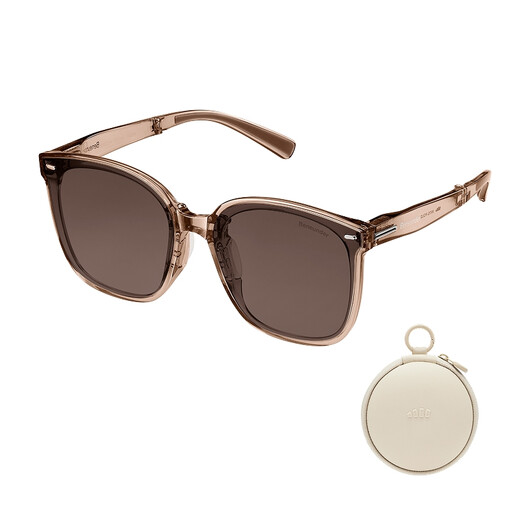
Why it suits this profile: These foldable sunglasses are designed for everyday wear, driving and travelling. According to the product specifications, the frame weighs 26 grams and folds down to around 35 mm thick.
The product description specifies UV400, anti-reflective lenses and a compact folding design, so you don’t have to judge the level of protection by lens colour alone.
TR90 frame, nylon lenses, UV400 coating and a foldable design that fits in a bag or on a dashboard.
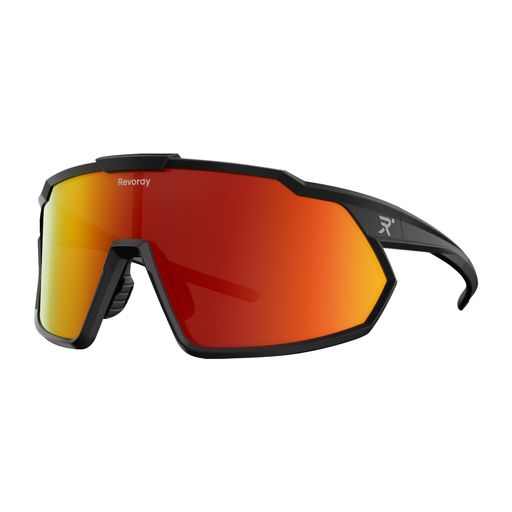
Why it suits this profile: These sports sunglasses are designed for road cycling, mountain biking and other outdoor activities where glare reduction and a secure fit matter.
The product specifications list adjustable silicone nose pads, non-slip details and a weight of around 33 grams.
TAC polarised lenses, a UV400 claim, a TR90 frame and a water- and oil-repellent coating, according to the product information.
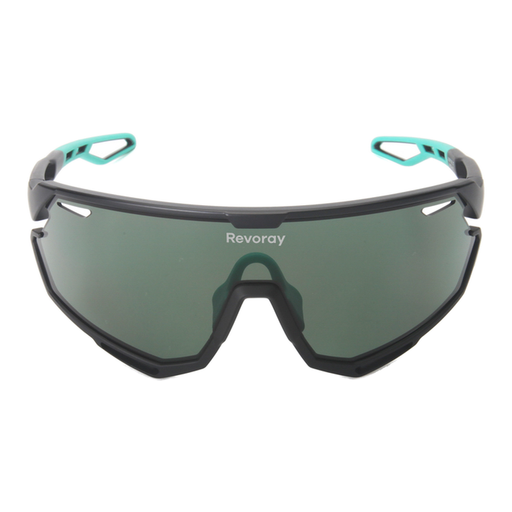
Why it suits this profile: The integrated PC lens and streamlined shape are designed for cyclists who value coverage and stability on longer or more intense rides.
The product description specifies a shatter-resistant PC lens, a rubber nose pad and non-slip arms. These sunglasses aren’t designed for industrial eye protection.
Around 30 grams, TR90 frame, integrated PC lens and a UV400 claim for cycling and outdoor sports.
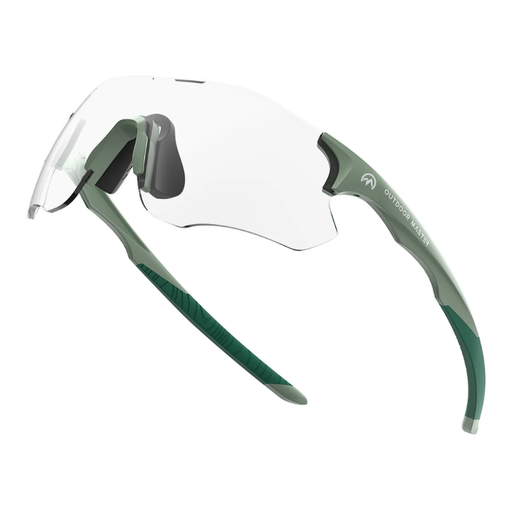
Why it suits this profile: These photochromic cycling glasses are designed for cyclists and outdoor sports enthusiasts moving between shade and sunshine.
According to the manufacturer, the lens category ranges from category 0 to category 3. Bear in mind that the lens may change tint less behind a car windscreen.
TR90 frame, polarised HD lens, a UV400 claim and a protective case included.
We’ve put together a comprehensive, up-to-date list of products that meet these strict selection criteria and the applicable European safety regulations.
No. A lens’s darkness doesn’t tell you enough about its UV filtering. Check that UV400 is explicitly stated in the product specifications, and look at the conformity and manufacturer information where available.
They can be, especially if you’re bothered by glare from tarmac or wet roads. However, check the lens category, fit and how clearly you can see traffic information. A photochromic lens may not change tint as much in a car because the windscreen filters UV light.
Their lifespan depends on use, storage and care. Scratches, heat and pressure can damage coatings and frames. Clean the lenses with water and a soft microfibre cloth, avoid harsh cleaning products and keep the sunglasses in a case. Replace them if the lens is damaged or the frame no longer fits securely.
