
Vandaag of morgen in huis

Kwaliteit gegarandeerd

Welkomstaanbiedingen ontgrendelen: GRATIS bezorging | Tot 80% korting | Gratis 30 dagen JoyPlus-proefperiode
Download de app
Sunglasses with UV400 protection may seem straightforward to choose at first glance. However, models can vary considerably in fit, lens material, polarisation and ease of use. For example, a dark lens does not automatically mean that the sunglasses provide sufficient UV protection. A sports model may stay securely in place during a cycle ride, yet be less suitable for everyday use or driving.
Joybuy Product Recommendation Officer helps you assess the key differences without simply taking marketing claims at face value. This helps you avoid paying mainly for a striking colour or low price, only to find that the frame becomes uncomfortable after a few weeks.
The colour or darkness of a lens does not, by itself, indicate how much UV radiation it blocks. Always check explicitly that UV400 is listed in the product specifications. UV400 refers to filtering wavelengths up to approximately 400 nanometres and relates to protection against ultraviolet light. It does not automatically say anything about polarisation, scratch resistance or optical quality.
Polarised sunglasses can reduce distracting reflections from road surfaces, water and metal. This is useful for cyclists, drivers and outdoor enthusiasts. However, polarisation does not replace UV400 protection. In addition, some displays, such as LCD screens in a car or sat-nav system, may be less clear from certain angles. Check this before choosing polarised sunglasses solely for driving.
Lightweight sunglasses are comfortable on long journeys, but weight alone does not determine whether a model fits well. Also consider the frame width, nose support, anti-slip features and temple length. A model that is too loose may move in windy or sweaty conditions. A frame that is too tight can cause pressure around the temples.
For everyday use and outdoor activities, a clear statement of UV400 protection is an important starting point. Also consider the lens material:
Claims about a particular percentage of UV filtering or glare reduction come from the brand’s product information. Treat them as the manufacturer’s product specifications and always check the current product page.
Polarised lenses are particularly useful in bright light and reflective conditions. Sunglasses that reduce glare can be more comfortable on open roads, by the water or while cycling through the countryside. Sunglasses with an anti-reflective coating focus on reflections on or around the lens. These technologies therefore do not serve exactly the same purpose.
Also check the light transmission, if this is provided. A very dark lens can be pleasant in bright weather, but less practical in overcast conditions or when the light changes quickly.
TR90 is a thermoplastic material often described in product information as lightweight, flexible and shape-retaining. A pair of TR90 sunglasses may therefore be suitable for travel, everyday use and sport. Also look at:
Foldable sunglasses are convenient in a jacket pocket or cycle bag, but fold the frame according to the instructions and store it in a cover or case to help prevent scratches and pressure damage.
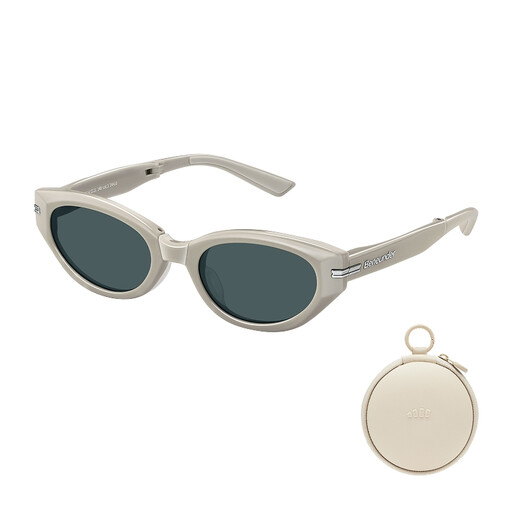
Why it suits this profile: This model combines a foldable TR90 frame with UV400 lenses, making it practical for everyday use, travel and driving.
The product information specifies UV400 and an OAR anti-reflective coating, rather than indicating protection solely through a dark lens colour.
TR90 frame, five-point hinges, soft nose and temple supports, and a stated frame width of 5.8 inches.
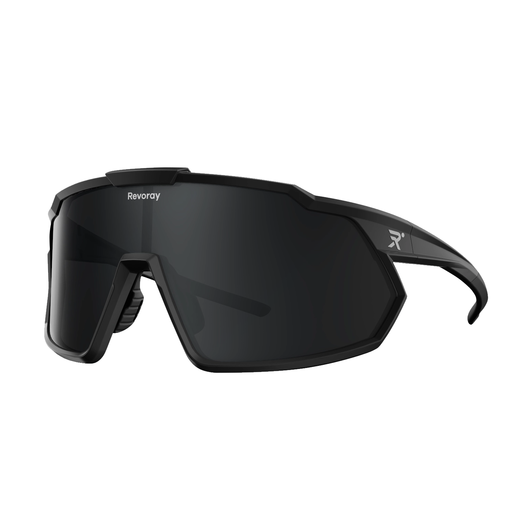
Why it suits this profile: Ideal for cyclists who value polarisation, low weight and additional lens coatings for changing conditions.
The specifications include not only UV400, but also TAC polarisation, adjustable silicone nose pads and anti-slip features.
According to the product information, the glasses weigh approximately 33 grams, feature a water- and oil-repellent coating, and list ANSI Z87.1.
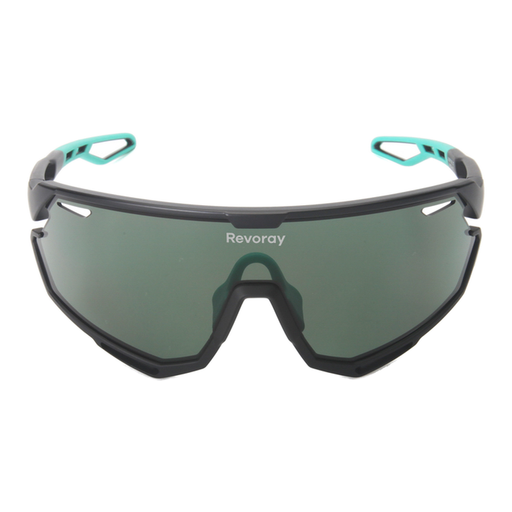
Why it suits this profile: The wide, integrated PC lens and streamlined design are well suited to sporty cycling, mountain biking and activities in windy conditions.
The design is not focused solely on appearance: the product information specifies a one-piece PC lens, rubber nose pad and anti-slip temples.
According to the product description, the model weighs approximately 30 grams and provides UV400 protection with a wide, unobstructed field of vision.

Why it suits this profile: This fitover model is designed to be worn over ordinary glasses, making it an interesting option for outdoor use and driving.
You do not automatically need to order a second pair of prescription glasses; according to the product information, this design is intended to fit over glasses.
Polarised lenses and a lightweight plastic frame; check the space above your own glasses and the visibility of car displays beforehand.
We have put together a complete, up-to-date list of products that fully meet these strict selection criteria and the applicable European safety regulations.
Rinse off sand and dust with clean water before wiping the lens. Then use a soft microfibre cloth. Avoid alcohol, harsh cleaning products and rough paper tissues when the product information advises against them. Store the sunglasses in a protective case and do not leave them under heavy items or in high temperatures for extended periods.
With foldable sunglasses, it is best not to force the hinges. Replace the sunglasses if the lens is deeply scratched, cracked or visibly distorted. A damaged lens can affect your vision, even if the frame still appears to be in good condition.
Yes, a model with a clearly stated UV400 specification can be suitable for everyday outdoor use. Also consider the fit, lens colour and comfort. UV400 does not automatically mean that the sunglasses are polarised, scratch-resistant or suitable for high-impact sports.
Polarisation can reduce reflections from wet tarmac and other surfaces. However, check that you can read the dashboard, sat-nav and other screens clearly. A good fit and sufficient all-round visibility remain more important than the lens function alone.
Their service life depends on the hinges, coatings, cleaning and storage. Folding them frequently, dropping them or keeping them loose in a bag can accelerate wear. A protective case and correct cleaning will help keep the frame and lenses usable for longer.
