
Vandaag of morgen in huis

Kwaliteit gegarandeerd

Welkomstaanbiedingen ontgrendelen: GRATIS bezorging | Tot 80% korting | Gratis 30 dagen JoyPlus-proefperiode
Download de app
Sunglasses may seem like a simple purchase, but the differences between models can be significant. A dark lens does not automatically mean good UV protection. A sporty frame may feel comfortable on a bike but be inconvenient when driving. Smart glasses offer features that go beyond blocking sunlight, but they also require a compatible smartphone and app.
The main pitfalls are usually not related to appearance, but to specifications that are not explained clearly enough.
The colour or darkness of a lens says little about UV protection on its own. Check whether the product information states UV400 and whether this claim is linked to a verifiable product specification or certification. According to the product descriptions of various models in this range, UV400 lenses block UVA and UVB radiation. This is a manufacturer’s product claim, so always check the current information on the product page before buying.
Polarised sunglasses can reduce glare from roads, water and metal surfaces. This is useful when cycling, fishing, boating and enjoying other outdoor activities. However, polarisation is not a substitute for a good fit, UV protection or a suitable lens colour.
With some screens, such as LCD displays, a polarised lens can make the image less clear from certain viewing angles. Check that your dashboard, sat-nav screen or phone remains easy to read when wearing sunglasses for driving.
Sunglasses that look good do not always feel good to wear. Pay attention to the frame width, nose bridge and temple length. With cycling glasses, non-slip nose pads and a secure fit are also important. Cycling sunglasses that are too loose may move during activity, while a model that is too tight can create pressure points over time.
UV400 protection refers to protection against UV radiation up to a wavelength of 400 nanometres. As well as UV400, check the visible light transmission, often referred to as VLT. A low VLT lets less light through and can be comfortable in bright sunlight. A higher VLT is more practical in changing conditions.
According to the product description, photochromic sunglasses adjust their tint according to the amount of UV light. The OutdoorMaster HAWK LT, for example, has a photochromic and polarised lens and weighs approximately 26 to 29 grams. However, bear in mind the limitation when driving: according to the safety information, a photochromic lens may not become as dark inside a car because the windscreen blocks some of the UV light.
A polarised lens is particularly useful if you are often bothered by reflections from water, tarmac or metal surfaces. According to the product information, Revoray cycling glasses use TAC polarised lenses with visible light transmission of approximately 15.2 per cent. This makes them most suitable for bright weather and demanding outdoor activities.
Polycarbonate lenses are lightweight and are often used in sports glasses. TAC lenses consist of multiple layers and are also used for polarised applications. No lens material is unbreakable. Therefore, do not use sports sunglasses as a substitute for certified eye protection when grinding, welding or carrying out other high-impact work.
TR90 is a lightweight thermoplastic material used in several sports models. According to the Revoray product description, the model weighs approximately 33 grams. The OutdoorMaster HAWK LT is listed as weighing between 26 and 29 grams, depending on the lens variant.
With ordinary sunglasses, also check the measurements. Ray-Ban Meta models, for example, are available in sizes 50-22 and 53-22. The first size has a lens width of 50 mm, a bridge width of 22 mm and 150 mm temples. The larger variant has a lens width of 53 mm and 155 mm temples. Compare these measurements with a pair of glasses you already find comfortable.
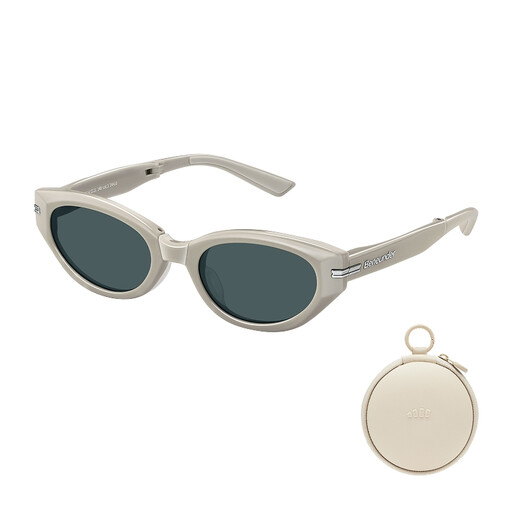
Why it suits this profile: A practical choice for everyday use, commuting and travel. The foldable frame takes up very little space in a bag.
The product description states that it has UV400 lenses, specified dimensions and a foldable TR90 frame. This means you do not have to rely on appearance alone.
Foldable design, TR90 frame, anti-reflective coating according to the product information, plus soft nose and temple supports.
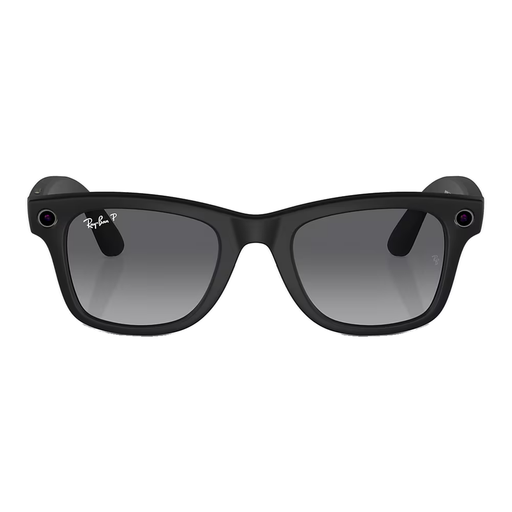
Why it suits this profile: For technology enthusiasts who want to combine everyday glasses with voice control, audio and image capture.
The product information lists specific measurements, Bluetooth 5.2, compatibility with iOS 14.4 and Android 10, as well as the required Meta AI app. Check beforehand that your phone is compatible.
According to the product description: 12 MP camera, five microphones, open-ear speakers, voice control and a charging case offering up to four hours of battery life per charge.

Why it suits this profile: Designed for cyclists, runners and other outdoor users who encounter changing light conditions.
The product information lists the weight, lens functions, adjustable nose supports and the limitation that photochromic lenses may change tint less inside a car.
TR90 frame, polarised polycarbonate lens, photochromic function and UV400 according to the product description. Includes a storage case and spare parts.

Why it suits this profile: Convenient for people who wear glasses but do not want to buy separate prescription sunglasses and are looking for a model that fits over their ordinary glasses.
The product name and description make it clear that this is a fitover model with polarised lenses. However, check that the shape fits over your glasses.
Designed to be worn over glasses, with polarised plastic lenses and a lightweight design according to the product information.
We have put together a complete, up-to-date list of products that fully meet these strict selection criteria and the applicable European safety regulations.
Sunglasses last longer when you avoid rubbing the lenses dry. Rinse off dust with clean water first, then use a soft microfibre cloth. Avoid alcohol, harsh cleaning products and paper tissues, as these can damage coatings or cause scratches.
Store your glasses in a hard case, especially if they are sports sunglasses or cycling glasses. Replace a pair when the lens is deeply scratched, the frame becomes distorted or the hinges no longer close properly. With smart glasses, you should also consider battery wear, software updates and the availability of the accompanying app.
They can be, particularly when glare from wet tarmac is distracting. However, check that your dashboard and sat-nav screen remain easy to read. A polarised lens can make certain screens appear darker when viewed at an angle.
Their lifespan depends on use, storage and care. A pair worn every day will develop scratches and show wear more quickly than glasses kept in a case. With sports glasses, damaged lenses are a reason to replace the model.
According to the product description, a photochromic lens can change tint based on UV light. This is useful when cycling and walking. In a car, the effect may be more limited because the windscreen filters UV light.
