
Vandaag of morgen in huis

Kwaliteit gegarandeerd

Welkomstaanbiedingen ontgrendelen: GRATIS bezorging | Tot 80% korting | Gratis 30 dagen JoyPlus-proefperiode
Download de app
Sunglasses may seem like a simple purchase, but the difference between a practical everyday pair and a disappointing buy often comes down to the details. A frame can start to pinch after a few hours, lenses can let through distracting reflections, and a folding hinge can be awkward if it doesn’t feel sturdy enough.
There are three common pitfalls to watch out for:
UV400 refers to protection against UV radiation with wavelengths of up to 400 nanometres. Manufacturers often use this specification for sunglasses that filter UV-A and UV-B radiation within that range. Check that UV400 is clearly stated in the product description or specifications.
Be wary of vague terms such as “extra dark”, “HD lens” or “summer protection”. These descriptions don’t provide complete information about UV protection. According to Beneunder’s own research, the lenses in several FD models block at least 99.8% to 99.9% of UV radiation. This is a claim made by the brand; use the product specifications as your guide and check the latest information on the product page.
Polarised sunglasses are particularly useful for driving, cycling, walking by the water and holidays. The lenses can reduce distracting horizontal glare from surfaces such as wet roads or a lake. This can make it more comfortable to see, but whether they’re suitable for driving also depends on the lens tint, light transmission and any screens in your car.
Polarised lenses aren’t automatically photochromic. According to OutdoorMaster’s product description, photochromic sunglasses adjust their tint according to UV exposure, from category 0 to category 3. This can be useful in changing light, but always check that the lenses remain clear enough indoors, in the car or under a helmet.
At a minimum, check the following:
If you wear prescription glasses, consider fitover sunglasses, designed to go over your everyday glasses. Measure the width and height of your regular glasses beforehand. Sunglasses that only partly cover them may feel uncomfortable and let light in at the sides.
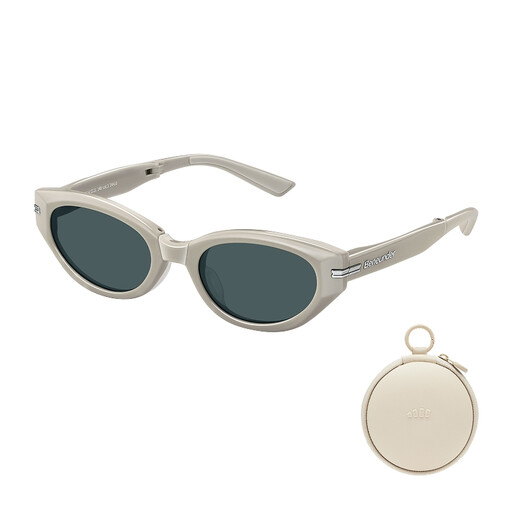
Why it suits this profile: A practical choice for everyday wear, with a striking cat-eye shape and a folding design that fits in a bag or coat pocket.
The product information specifies UV400 protection, an OAR anti-reflective coating and clear frame measurements. So you don’t have to judge it by colour or appearance alone.
TR90 frame, nylon lenses, air-cushion nose pads and a five-point elastic hinge, according to the product description.
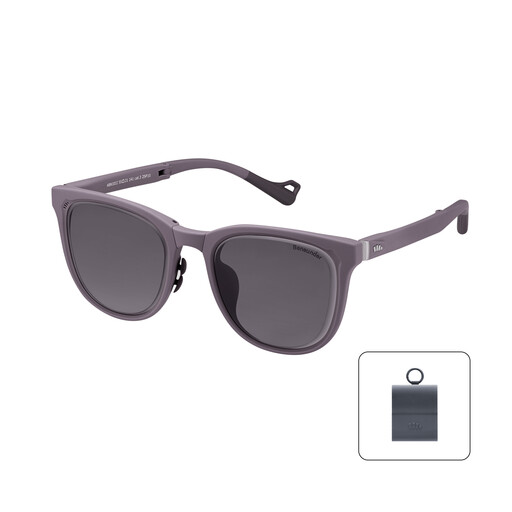
Why it suits this profile: For anyone who values a classic Boston shape, adjustability and multiple lens coatings for everyday wear.
The glasses combine a folding frame with three arm positions and adjustable nose pads, helping you fine-tune the fit.
According to the product specifications: UV400 nylon lenses, anti-reflective, oleophobic and scratch-resistant coatings, and a weight of approximately 27.5 grams.
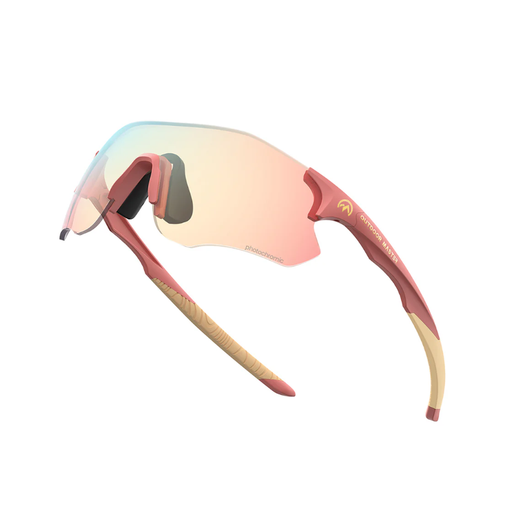
Why it suits this profile: Designed for cyclists and sports enthusiasts who want a secure fit, low weight and lenses that adapt to changing light conditions.
The product description mentions anti-slip gel, a TR90 memory frame and UV400 protection. The manufacturer also states that this model isn’t designed to protect against heavy impacts.
Category 0 to 3 photochromic HD lens, UV400 coating, replaceable nose pad and included EVA case, according to the product specifications.
Sunglasses for driving should do more than reduce glare. Make sure you can still see clearly in tunnels and overcast conditions. If you’re looking for sunglasses to wear over your regular glasses, consider the Xiaomi Polarized Fitover Sunglasses. According to the product description, this model is designed to fit over prescription glasses and has polarised lenses. Check the measurements of both pairs beforehand.
Tech enthusiasts may also want to consider Ray-Ban Meta glasses. According to the product information, the Ray-Ban Meta Wayfarer Gen1 has a 12 MP camera, open-ear speakers, Bluetooth 5.2, Wi-Fi and support for a Meta AI app. The stated battery life is up to four hours, with additional charges available from the charging case. If you use them in the Netherlands, also check privacy rules, consent for recordings and compatibility with your smartphone. Smart AI glasses also don’t automatically replace sunglasses with a verifiable UV400 specification.
We’ve put together a complete, up-to-date list of products that meet these strict selection criteria and the applicable European safety regulations.
Yes. The UV400 specification gives you more specific information about the UV filter than a dark tint alone. A dark lens may feel comfortable, but always check the stated protection specification.
It depends on the material, hinges, coatings and how you use them. Keep your sunglasses in a case, clean the lenses with a soft microfibre cloth and don’t place them lens-side down. Replace them if the lenses are clearly scratched or the frame no longer feels stable.
Not always. Polarisation can reduce glare, but also check the lens tint, light transmission and how clearly you can see your dashboard or sat-nav screens. If in doubt, follow the product specifications and the manufacturer’s guidance.
