
Vandaag of morgen in huis

Kwaliteit gegarandeerd

Welkomstaanbiedingen ontgrendelen: GRATIS bezorging | Tot 80% korting | Gratis 30 dagen JoyPlus-proefperiode
Download de app
Sunglasses should do more than look good. Whether you are cycling, driving, travelling or walking, lens quality, fit and wearability all affect how much you enjoy using them. Yet many consumers buy based solely on colour or frame shape. This can result in glasses that slip down, scratch easily or look attractive but offer little practical information.
The most common pitfalls when buying sunglasses are:
According to the product description, UV400 means that the lens should block ultraviolet light up to 400 nanometres. For the Beneunder models, the manufacturer states UV blocking of at least 99.8 or 99.9 per cent. This is a product specification provided by the brand, so always check the latest information and any markings on the product when buying.
Also consider the lens colour and light transmission. A dark lens is not automatically better at providing protection. For everyday use in the Netherlands, a neutral grey, brown or green lens may be comfortable. If you drive frequently, you may also want to consider polarised sunglasses, as their product features may help reduce distracting glare from wet roads or water. However, check that the chosen lens is suitable for your driving conditions.
The numbers on a frame usually indicate the lens width, bridge width and temple length in millimetres. For example, Ray-Ban Meta Wayfarer models are listed with sizes such as 50-22 or 53-22. The first figure is the lens width and the second is the bridge width.
Use these practical checks when comparing models:
Cat-eye sunglasses often have raised outer corners and a distinctive shape. Boston sunglasses usually have a rounder, softer line. Oversized sunglasses cover more of the face, but require extra attention to the overall frame width.
TR90 is a lightweight, flexible plastic material used in several Beneunder frames. According to the product description, the FD315 models feature soft temple supports and air-cushion nose pads. The FD421 models weigh 26 grams according to the specifications and fold down to approximately 35 millimetres thick.
Foldable sunglasses are handy in a jacket pocket, handbag or rucksack, but check that the hinge feels sturdy and only fold the glasses in the intended way. Lightweight sunglasses do not automatically prevent pressure points: the nose bridge, temple length and frame width all work together to determine comfort.
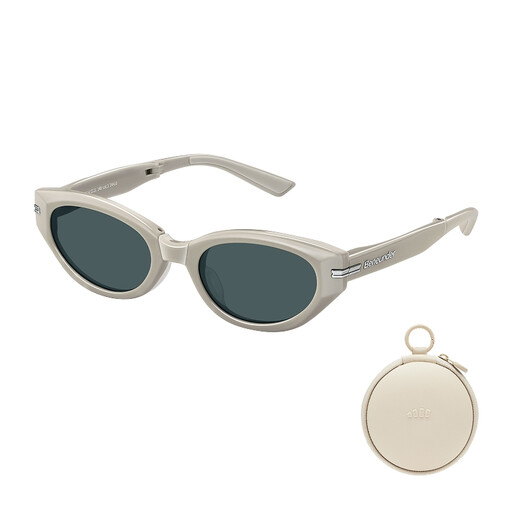
Why it suits this profile: A compact choice for everyday use, commuting and travelling. The cat-eye shape adds style without requiring you to choose a large oversized frame.
The product description mentions UV400, an OAR anti-reflective coating and specific frame dimensions. This means you can look beyond the colour or shape alone.
TR90 frame, foldable design, air-cushion nose pads and a frame width of 5.8 inches according to the product specification.
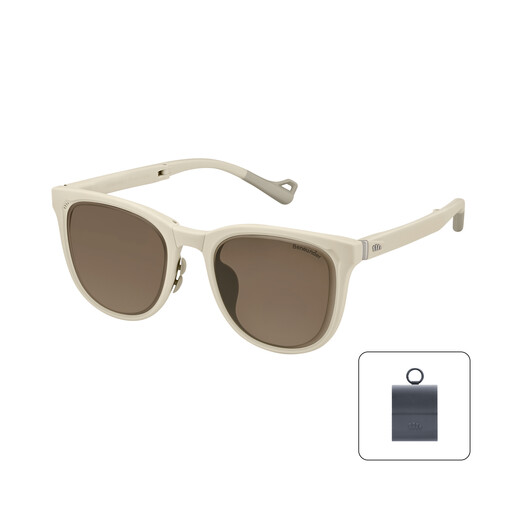
Why it suits this profile: Ideal if you are looking for classic Boston sunglasses with adjustable features and lens coatings.
The product description lists three temple positions and adjustable nose supports. This helps prevent a fit that is too loose or too tight.
UV400 nylon lenses, OAR anti-reflective coating, oleophobic coating and scratch-resistant coating according to the product information.
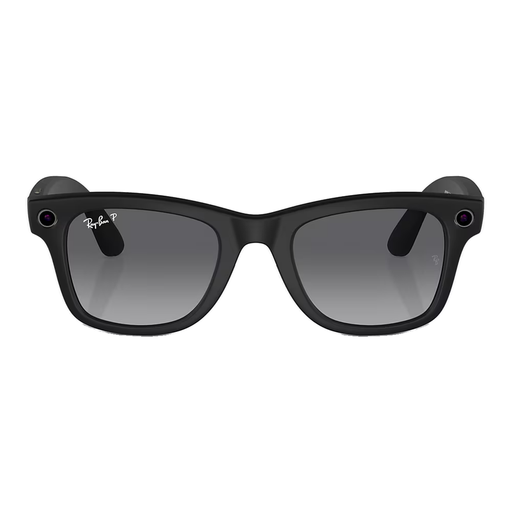
Why it suits this profile: For tech enthusiasts and content creators who want to combine AI glasses, a camera, open-ear audio and hands-free controls with a Wayfarer frame.
The choice is not just about appearance: the required Meta AI app, iOS 14.4 or Android 10 and Bluetooth 5.2 are listed in the product information.
12 MP camera, five microphones, open-ear speakers, Wi-Fi 6 and up to four hours of battery life per charge according to the product description.
We have put together a complete, up-to-date list of products that fully meet these strict selection criteria and the applicable European safety regulations.
UV400 sunglasses are designed to block ultraviolet light up to 400 nanometres. Always check the specific product information and any lens markings. Lens colour alone does not provide a reliable indication of UV protection.
Polarisation can reduce reflections from wet tarmac or water, for example, depending on the lens and conditions. Check that the lens is suitable for driving and be aware of possible limitations when viewing digital screens or certain displays.
Their lifespan depends on the hinges, coatings, use and maintenance. Keep your sunglasses in a case, clean the lenses with a soft microfibre cloth and avoid placing them lens-side down. With smart sunglasses, battery capacity, app support and software compatibility also play a role.
