
Vandaag of morgen in huis

Kwaliteit gegarandeerd

Welkomstaanbiedingen ontgrendelen: GRATIS bezorging | Tot 80% korting | Gratis 30 dagen JoyPlus-proefperiode
Download de app
Sunglasses may seem like a simple purchase, but you often only notice the differences in lenses, fit and ease of use once you’re outdoors. A frame may feel comfortable in the shop, then slip when you’re cycling. Dark lenses don’t automatically offer good protection against UV rays. And smart glasses with a camera or translation feature call for different considerations from a pair designed for driving.
This buying guide helps you compare sunglasses based on their objective features. That way, you can avoid paying mainly for a striking design or features you’re unlikely to use.
Lens colour tells you little about protection against UV rays. Check whether the product information specifies UV400, and look at the standard or product specification provided by the seller. The Revoray models list UV400 protection in their product specifications. Other glasses may only be described as “sunglasses” or “polarised”, with no further information.
Dark lenses without clear information about their protective properties aren’t a sensible choice for spending long periods in bright sunlight.
Polarised sunglasses can reduce distracting reflections from roads, water and metal surfaces. This is useful when cycling, walking or sailing. However, polarisation doesn’t replace a UV400 specification, and it isn’t equally convenient in every situation. Displays on some devices may look different through polarised lenses. If you’re driving, also check that you can still see the information on your dashboard clearly.
A lightweight frame is comfortable, but fit is just as important. Consider the frame width, arm length, nose pads and how well the glasses stay in place when you move. A lightweight pair of sunglasses that keeps slipping down won’t be very comfortable in practice.
The hinge is also important on a folding pair. Fold and unfold the glasses gently, and ideally keep them in a case to help prevent scratches and pressure damage.
UV400 refers to protection against UV rays up to 400 nanometres. Check the product page to see whether this is listed as a technical feature. According to the brand’s own product description, the Beneunder FD421 comes with a UV400 coating. The description also mentions a nylon lens and an anti-reflective coating. This information comes from the brand’s product specifications, so always check the current product page before buying.
Also look out for:
Polarised sunglasses are particularly useful if reflections bother you. The Revoray Y1 lists TAC polarised lenses and visible light transmission of around 15,2%. This means the lens blocks a relatively large amount of light and is mainly intended for bright conditions.
For changeable British weather, a very dark lens may be less practical. If you often move between indoors and outdoors, a more neutral tint may suit you better.
TR90 is a flexible plastic used in a range of sports sunglasses. According to the product information, the Revoray X3 has a TR90 frame, an integrated PC lens and weighs around 30 grams. The Y1 version weighs around 33 grams, according to the same source, and has adjustable silicone nose pads.
A folding pair of sunglasses can be handy for everyday use. According to its product specifications, the Beneunder FD421 has a tri-fold design, weighs 26 grams and is around 35 millimetres thick when folded. Do check that the oversized shape suits your face.
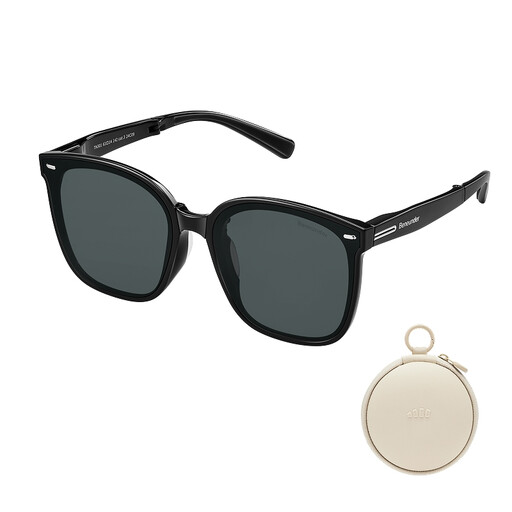
Why it suits this profile: This pair is designed for everyday wear, driving and travel. Its folding design takes up little space in a bag.
The product specifications list UV400, a weight of 26 grams and a folded thickness of around 35 millimetres. This makes its protection and storage features clearer than those of a pair with only general marketing claims.
TR90 frame, nylon lenses, tri-fold design and an anti-reflective coating, according to the product description.
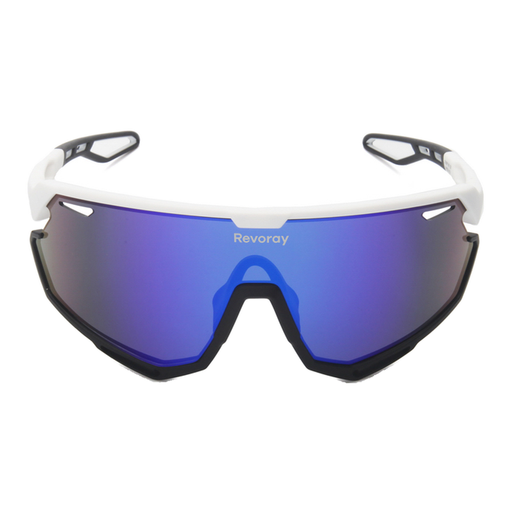
Why it suits this profile: These cycling glasses are designed for road cycling, mountain biking and other outdoor activities where stability and a wide field of vision are important.
The product information lists an integrated PC lens, a rubber nose pad and non-slip arms. These are specific features to check for when you need glasses that stay in place while moving or cycling in the wind, rather than just a general claim about sports use.
Around 30 grams, UV400 according to the product specification, a TR90 frame and an aerodynamic shape.
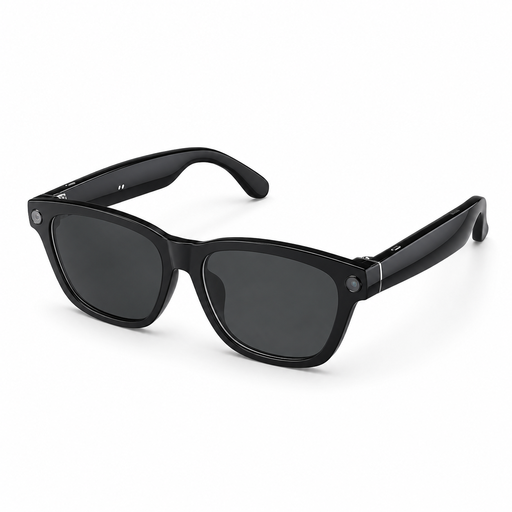
Why it suits this profile: For tech enthusiasts looking for smart glasses with calling, music, photography and translation features via a mobile app.
The product information specifies an app connection for Android and iOS, touch controls, a 230 mAh battery and a stated weight of 150 grams. Before buying, check that these features suit your phone and how you plan to use the glasses.
According to the product description, the accompanying app supports real-time translation, a camera, music, calls and ChatGPT features.
We’ve put together a complete, up-to-date list of products that meet these strict selection criteria and the applicable European safety regulations.
Smart glasses or AI glasses aren’t the same as ordinary sunglasses. Check the battery life, app support, privacy settings, storage and charging method. According to the product description, translation glasses can support different languages, but how well they work in practice depends on the software, connection and microphone quality.
AR glasses with a screen are designed for digital images, films or games. Check the connections, such as USB-C, compatible phones and the adjustable interpupillary distance. If you need help reading small print at home or at work, reading glasses are a better option. According to the product information, the frameless reading glasses with 350D are intended solely as a reading aid and aren’t suitable for driving or as safety glasses.
UV400 is a relevant product specification for protection against UV rays. Check that the claim is clearly stated on the product page and that the glasses fit well. UV400 doesn’t automatically tell you anything about fit, scratch resistance, polarisation or suitability for sports.
Polarised lenses are designed to reduce certain reflections. This can be useful when cycling, near water or on a sunny road. Polarisation is separate from UV400 protection, so check both features individually.
Their lifespan depends on the materials, hinges, coatings and how well you look after them. Rinse off dust with water first, then use a soft microfibre cloth. Keep the glasses in a case, don’t place them lens-side down and avoid high temperatures. With sports sunglasses, sweat, sand and drops can shorten their lifespan.
