
Vandaag of morgen in huis

Kwaliteit gegarandeerd

Welkomstaanbiedingen ontgrendelen: GRATIS bezorging | Tot 80% korting | Gratis 30 dagen JoyPlus-proefperiode
Download de app
When buying sunglasses, colour and shape aren’t the only things to consider. For everyday use in the Netherlands, UV protection, glare reduction, fit and durability matter too. A pair that feels light in the shop might slip down when you’re cycling. Dark lenses aren’t automatically suitable for driving. And a label such as “UV400” only tells you something if the product specifications are clear.
In this buying guide, you’ll find out what to look for and which sunglasses could suit you for travelling, driving, cycling or spending a lot of time outdoors.
Dark lenses can feel comfortable in bright sunlight, but the tint alone doesn’t prove that they block UV rays. Look for a clear mention of UV400 or a similar protection specification. Also check that this information comes from the product description, rather than just promotional text on the packaging.
Polarised sunglasses are designed to reduce certain distracting reflections, such as those from wet tarmac, water and metal surfaces. Anti-reflection sunglasses use a coating to reduce reflections on or around the lens surface. These are different features.
Polarisation can be useful when cycling or driving, but it may make some displays look different. So, when wearing your sunglasses, check that you can still read your dashboard, navigation screen and phone clearly.
A lightweight frame is comfortable, but the fit determines whether your sunglasses stay in place. Check the frame width, arm length, bridge and any non-slip details. A large frame can offer more protection from light at the sides, but it won’t fit every face equally well.
According to the product descriptions for the selected Beneunder and Revoray models, UV400 protection is included. For the Beneunder FD421, the manufacturer also states that the coating blocks at least 99.9% of UV rays. Revoray describes UV400 as 100% protection. These are claims from the brands’ product information, so always check the latest product specifications and any conformity information before buying.
A clear UV specification is an important starting point for everyday outdoor use, travelling and driving. Lens colour or a mirrored coating tells you less about protection on its own.
With polarised lenses, cycling sunglasses can help reduce reflections from roads and water. According to their product descriptions, the Revoray Y1 models use TAC polarised lenses with visible light transmission of around 15.2%. This indicates a lens designed for bright conditions. In cloudy weather, at dusk or on tree-lined cycling routes, a dark lens may be less practical.
So, as well as looking for “polarised”, check the visible light transmission and intended use. For cycling sunglasses, ventilation, non-slip details and a secure fit are important too.
TR90 is a lightweight, flexible plastic often used for sports and travel sunglasses. The material alone doesn’t guarantee a long lifespan; hinges, coatings and careful handling matter too.
Cycling sunglasses with impact-resistant lenses often use PC lenses. According to the product description, the Revoray X3 has an integrated PC lens and weighs around 30 grams. The Y1 uses TAC lenses and weighs around 33 grams. The Beneunder FD421 has a TR90 frame, nylon lenses and weighs around 26 grams.
Also look out for:
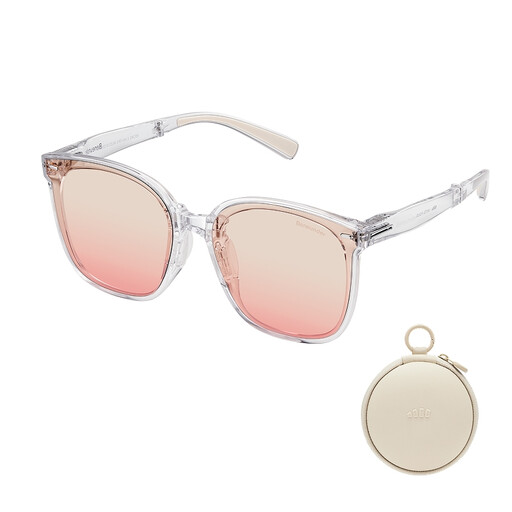
Why it suits this need: According to the product description, this model combines UV400 protection with a lightweight frame of around 26 grams. The tri-fold design folds down to about 35 mm thick, according to the product specifications, making it practical to carry in a bag, coat pocket or hand luggage.
The product description mentions both UV400 and an OAR anti-reflection coating. That means you don’t have to rely solely on dark lenses or a fashionable design.
26 grams, foldable TR90 frame, nylon lenses and a choice of colours for travelling and everyday outdoor use.
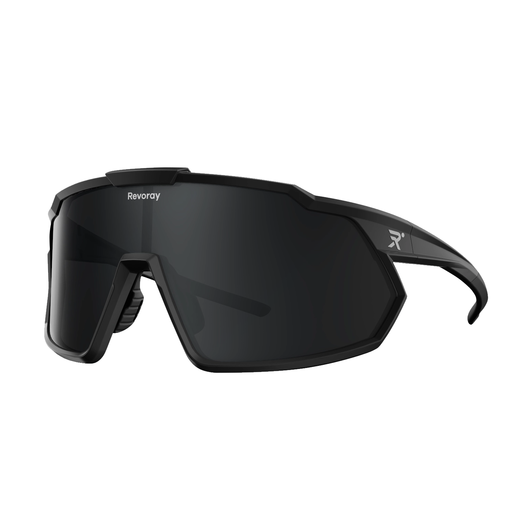
Why it suits this need: According to the product description, these sports sunglasses are designed for cycling and outdoor activities. TAC polarised lenses, adjustable silicone nose pads and a TR90 frame make them a good fit for longer rides on the road or in the mountains.
As well as polarisation, the product specifications give a light transmission of around 15.2%. That tells you more than simply describing the lenses as “dark”.
According to the product information: around 33 grams, UV400 protection, adjustable non-slip details and a water- and oil-repellent coating.
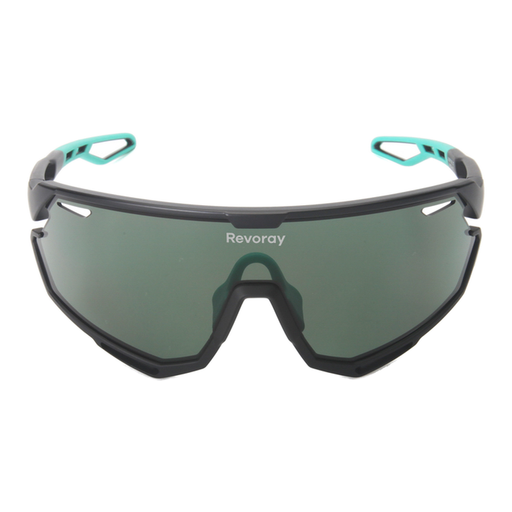
Why it suits this need: According to the product description, the integrated PC lens, streamlined design and rubber nose and arm details are intended for intensive cycling and other outdoor activities.
The product information specifies an impact-resistant PC lens and UV400, rather than just a fashionable lens colour or a general sports label.
Around 30 grams, a single integrated PC lens, TR90 frame, UV400 protection and non-slip details for active use.
Rinse off sand and salt with clean water before wiping the lenses. Then use a soft microfibre cloth. Avoid alcohol, harsh cleaning products and paper tissues; they can damage coatings or cause small scratches. Keep your sunglasses in a case and don’t leave them on a hot car windscreen for long periods.
With foldable sunglasses, it’s best to operate the mechanism gently. If you use them for sport, regularly check that the nose pads and arms are still firmly attached.
We’ve put together a complete, up-to-date list of products that fully meet these strict selection criteria and the applicable European safety regulations.
UV400 is a relevant specification for protection against UV rays, provided the claim is reliably stated in the product specifications. Also consider the fit, lens colour and comfort. For everyday outdoor use, a lightweight frame with a clear UV400 claim can be a practical choice.
They can be, especially if reflections from wet roads are distracting. However, check that you can still read your dashboard and navigation screens clearly. Polarisation isn’t the same as anti-reflection, and it doesn’t automatically make sunglasses suitable for every lighting condition.
Their lifespan depends on the hinges, coatings, storage and cleaning. Scratch-free lenses and a sturdy frame can last longer, but replace your sunglasses if your vision is noticeably obstructed, the lenses are damaged or the frame no longer feels secure.
