
Vandaag of morgen in huis

Kwaliteit gegarandeerd

Welkomstaanbiedingen ontgrendelen: GRATIS bezorging | Tot 80% korting | Gratis 30 dagen JoyPlus-proefperiode
Download de app
Sunglasses should do more than complement your outfit. For everyday use, driving, cycling and travelling, UV protection, fit and lens quality are crucial. However, when shopping online, it can be difficult to distinguish marketing claims from verifiable product information.
Three pitfalls are particularly common:
“UV400” without clear product specifications
A UV400 claim is only meaningful if this feature is actually included in the product information. Check that the level of protection, lens type and any conformity information are clearly stated.
Confusing polarisation with complete protection
Polarised sunglasses can reduce distracting reflections from wet roads, water and metal surfaces. However, polarisation does not automatically replace UV protection or guarantee a suitable fit.
Only assessing comfort after purchase
A frame may look light and flexible in a product photo, yet still press against your nose or behind your ears. Pay attention to the weight, adjustable nose pads, dimensions and material. This is particularly important for cycling sunglasses or sunglasses for outdoor activities.
Check whether the product description explicitly states UV400 protection. According to the product information for various models in this range, this means that the lenses filter UVA and UVB radiation within the stated range. Exact performance remains a manufacturer specification, so do not treat such claims as a general guarantee for every model.
For everyday use, UV400 sunglasses are a sensible starting point. Also check whether the lens is made from TAC, polycarbonate, nylon or another material. Sports models may be described as impact-resistant, but sports sunglasses are not automatically suitable for work involving splinters, machinery or extreme impact.
Polarised sunglasses are particularly useful if you are often troubled by reflections. Examples include cycling beside water, driving on wet tarmac or boating. According to the product descriptions provided by the relevant brands, the polarising film reduces certain types of glare.
When choosing sunglasses for driving, it is also sensible to consider how clearly you can see dashboards, road signs and changing light conditions. Photochromic sunglasses can change tint outdoors, but according to the product information, their performance may be limited inside a car because the windscreen filters UV light. If you drive frequently, do not choose solely on the basis of the word photochromic.
Lightweight sunglasses help prevent pressure during longer journeys or walks. TR90 frames are described in the product information as flexible and lightweight. This is a verifiable material specification, but the fit remains a personal matter.
For travelling, folding sunglasses can be useful. Check the folded thickness, hinge mechanism and whether a protective case is included. Storing sunglasses loose in a bag increases the risk of scratches. If you wear glasses, look for sunglasses to wear over glasses or a fit-over model. Pay particular attention to the width and height of your regular glasses.
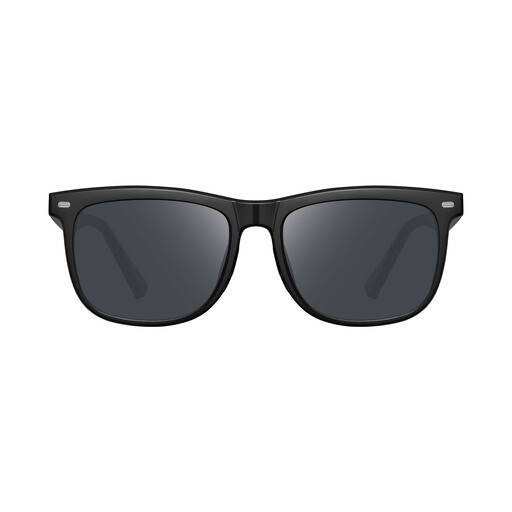
Why it suits this profile: A square frame is suitable for everyday use if you are mainly looking for simple sunglasses for walking, shopping and travelling. Check the available size and lens specifications before buying.
The product page identifies a specific model, helping you avoid relying solely on a general search term. However, check the full product specifications before placing your order.
Square frame; suitable as an everyday accessory. The available product information does not include extensive lens details, so compare these with other models beforehand.
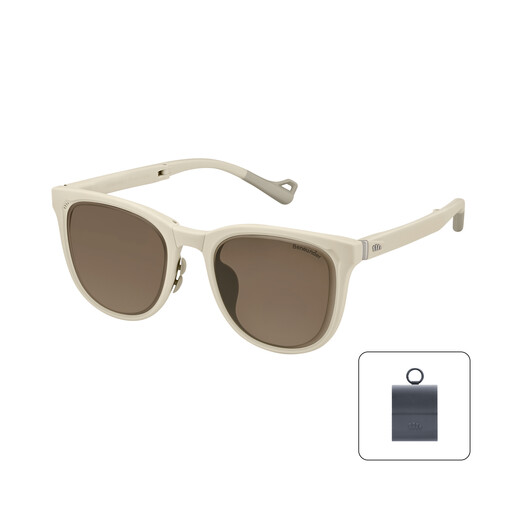
Why it suits this profile: This model combines a Boston shape with a TR90 frame, adjustable arms and butterfly-shaped nose pads. It is well suited to everyday use where fit and finish are key considerations.
The product description states that it has UV400, anti-reflective, oleophobic and scratch-resistant coatings. According to the manufacturer, the frame can be adjusted in three positions.
Foldable design; frame weight of approximately 0.97 oz according to the product information; multiple lens coatings for everyday care.
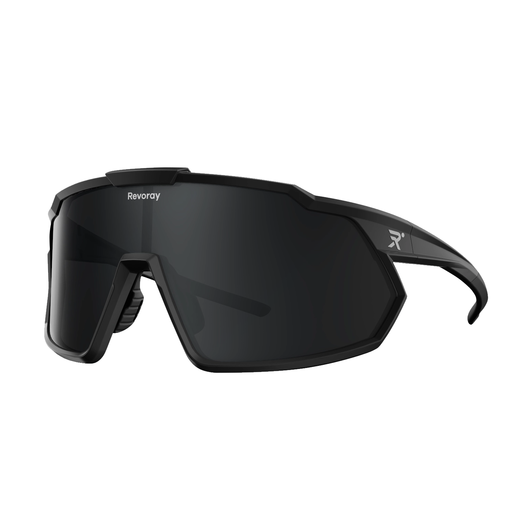
Why it suits this profile: These cycling glasses are designed for users who go on long rides and need a secure fit. The product information states that they weigh approximately 33 grams and have adjustable, non-slip nose pads.
According to the product description, the TAC lenses are polarised, UV400 protection is stated and the model meets the ANSI Z87.1 performance standard. However, the manufacturer warns that the glasses are not unbreakable.
TR90 frame; water- and oil-repellent coating; EVA case and cleaning cloth included according to the product information.
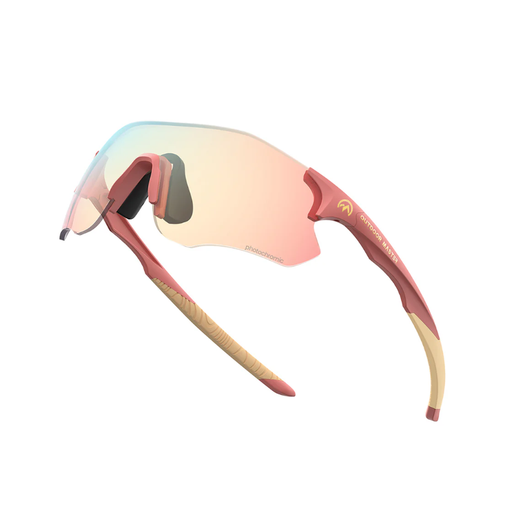
Why it suits this profile: Photochromic sunglasses may be useful for cyclists moving between shade and sunlight. According to the product information, the tint changes from category 0 to category 3 depending on UV exposure.
The product description explicitly states the tint ranges, UV400 and an impact-resistant HD lens. According to the manufacturer, this model is not intended for looking directly at the sun.
Lightweight TR90 frame; non-slip gel; protective case, cloth and replaceable nose pad included according to the product information.
We have put together a complete, up-to-date list of products that fully meet these strict selection criteria and the applicable European safety regulations.
They can be, particularly when dealing with reflections on wet roads. Check that the lenses are not too dark for your driving conditions, and make sure displays and road signs remain clearly visible. Polarised lenses also do not automatically provide UV400 protection, so look for both features separately in the product information.
Yes, fit-over models are designed for this purpose. According to the product description, the Xiaomi Polarized Fitover Sunglasses are designed to be worn over prescription glasses. Measure the width and height of your regular glasses beforehand to ensure that the frame does not pinch or shift.
Their lifespan depends on usage, hinges, coatings and storage. Scratched lenses, loose arms or damaged coatings are all reasons to replace a pair. Store your sunglasses in a hard case, clean them with water and a soft cloth, and do not leave them in a hot place for long periods, such as on a car dashboard.
