
Vandaag of morgen in huis

Kwaliteit gegarandeerd

Welkomstaanbiedingen ontgrendelen: GRATIS bezorging | Tot 80% korting | Gratis 30 dagen JoyPlus-proefperiode
Download de app
Sunglasses should do more than look good. You want protection against UV radiation, reduced glare and a frame that remains comfortable even after several hours of wear. Yet many product claims are difficult to compare. A low price may seem attractive, for example, but the wrong size, a delicate coating or an impractical frame can make the purchase less useful.
In this buying guide, I explain what to look for in the Netherlands in my role as a Joybuy Product Recommendation Officer. The recommendations are based on verifiable product specifications rather than general marketing claims.
Dark lenses do not automatically provide sufficient UV protection. Check whether the product information specifies UV400. This designation refers to protection against UV radiation up to approximately 400 nanometres. Also check whether the seller provides information about product compliance and the responsible party within the EU.
According to the manufacturer, the Beneunder models in this guide specify UV400 protection. The stated UV-blocking percentages come from the brand’s product descriptions and should therefore be treated as brand claims, not independently verified results.
“F” or “one size” does not mean that sunglasses will fit every face in the same way. Pay attention to the frame width, bridge width and temple length. A frame that is too narrow can put pressure on the temples. A model that is too wide may slip while cycling or walking.
Where possible, compare the measurements with a pair of glasses you already find comfortable. Some products list their dimensions in inches. The Beneunder Boston FD01h, for example, has a frame width of 5.79 inches, a bridge width of 0.83 inches and temples measuring 5.55 inches.
Sunglasses with an anti-reflective coating can be more comfortable when driving or in bright light, but check exactly what is included. “Anti-reflective” may refer to distracting reflections on the lens surface; it does not mean that all glare will disappear.
Hinges are also important in folding sunglasses. Frequent opening and closing requires a carefully designed construction. Fold the sunglasses according to the instructions, use a microfibre cloth and store them in a sleeve or case to help prevent scratches.
UV400 is a useful product specification, but always check the complete product information. For everyday use in the Netherlands, an even tint is practical. If you frequently drive, walk or spend time on the water, you may also want to consider polarised sunglasses. Polarisation can reduce reflections from surfaces such as water, glass and wet roads. On its own, however, it says nothing about fit or UV protection.
For sports use, also pay attention to the lens category. According to the manufacturer, the OutdoorMaster HawkSharp uses photochromic lenses from category 0 through 3, which adapt to UV exposure according to the product description. The manufacturer also states that this model is not intended to protect against heavy impact outside recreational sporting activities.
A pair of lightweight sunglasses can be more comfortable during long days. TR90 is a synthetic material used in several models. The product descriptions mention flexibility, low weight and resistance to deformation. These are manufacturer-provided specifications, so also check the hinges, nose pads and overall finish.
Nylon lenses can be lightweight and are combined with UV400 and coating information in the Beneunder models. A scratch-resistant coating does not make a lens scratch-proof. Avoid placing the sunglasses lens-side down on a hard surface.
Choose the frame according to how you plan to use it:
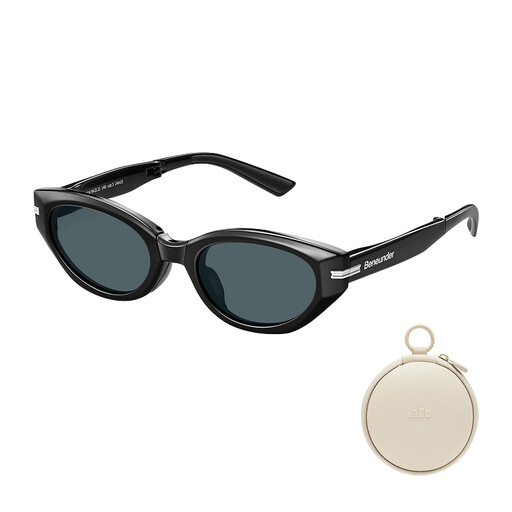
Why it’s a good fit: Compact cat-eye sunglasses for everyday wear, commuting and short trips.
The specifications mention UV400, OAR anti-reflective treatment and a folding TR90 frame, so you do not have to choose based solely on colour or shape.
A 5.8-inch frame width, soft nose pads and five-point elastic hinges according to the product description.
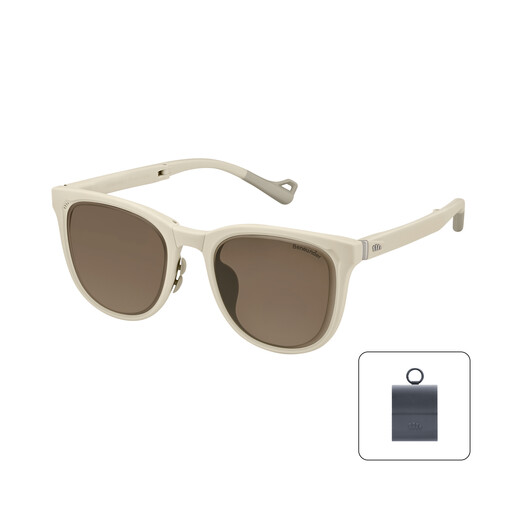
Why it’s a good fit: For those who want to combine a classic Boston shape with adjustability and compact storage.
According to the manufacturer, the sunglasses combine UV400 with anti-reflective, oleophobic and scratch-resistant coatings. These are brand claims.
A TR90 frame, temples adjustable to three positions and a weight of 0.97 ounces according to the product specifications.
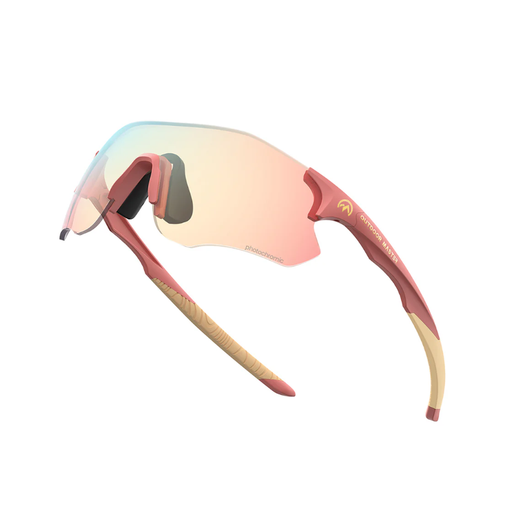
Why it’s a good fit: Designed for cycling and other recreational outdoor sports where a secure fit matters.
The product information lists TR90, non-slip gel and a replaceable nose piece. Before buying, check that the fit is suitable for your activity.
Photochromic HD lenses, UV400 according to the manufacturer and an EVA case with cleaning cloth included.

Why it’s a good fit: Designed to be worn over regular prescription glasses during outdoor activities.
There is no need to force a clip-on or regular sunglasses over your frames. Do check the dimensions of your own glasses.
Polarised lenses, a synthetic frame and UV protection are listed in the product specifications.
Oversized sunglasses can cover more of the face, but watch for visible gaps at the sides. A smart AI pair of glasses, such as the Ray-Ban Meta Wayfarer Gen1, adds features including a camera, open-ear audio, voice control and an app. According to the product information, the glasses work with iOS 14.4 or Android 10 and have a stated battery life of up to four hours. Before buying, check app support, privacy settings, battery life and the local availability of features. Smart functions do not automatically replace the specifications of traditional sunglasses.
Explore a current selection of women’s sunglasses in a range of shapes and materials, with different UV specifications and uses.
UV400 is an important designation for the range of UV protection. Also check the product information, lens category, markings and seller details. Dark lenses without a clear UV specification are not a sound basis for your choice.
That depends on use, storage and the quality of the frame and coatings. Sunglasses can remain usable for longer if you clean them with a microfibre cloth, avoid leaving them loose in a bag and do not force the hinges. Replace the pair when the lenses are heavily scratched or the frame no longer sits securely.
Check the lens category, tint and visibility of traffic lights. An anti-reflective coating may help reduce distracting reflections according to the product description, but it does not guarantee completely unobstructed vision. Choose a model that fits securely and does not unnecessarily restrict your peripheral vision.
