
Vandaag of morgen in huis

Kwaliteit gegarandeerd

Welkomstaanbiedingen ontgrendelen: GRATIS bezorging | Tot 80% korting | Gratis 30 dagen JoyPlus-proefperiode
Download de app
Buying sunglasses seems simple, until you find that the frames feel too heavy, don’t reduce glare enough or won’t fit over your regular glasses. Terms such as UV400, polarised and anti-glare may sound reassuring, but they only mean something if you know what they involve in practice.
Joybuy Product Recommendation Officer helps you tell useful specifications apart from marketing language. Read on to find out what to look for in sunglasses for everyday wear, driving, travel, cycling or sport.
Dark lenses don’t automatically mean good UV protection. Check that the product information explicitly states UV400 protection or a similar technical specification. According to the product descriptions for various models, UV400 means the lenses block UVA and UVB rays within the stated range. If in doubt, always check the specifications for the individual product.
A dark lens with no clear information about its protective properties may therefore be a less suitable choice than a lighter model with clearly stated UV specifications.
Polarised sunglasses are designed to reduce distracting reflections from surfaces such as wet roads, water or metal. However, polarisation and UV protection are different features. So if you often cycle, drive or spend time outdoors, look for a combination of both.
Also be aware of the difference between polarised sunglasses and anti-glare sunglasses. Anti-reflective coatings can reduce reflections on or around the lens surface, while polarisation filters out certain types of reflection.
Attractive frames aren’t necessarily a good fit. Sunglasses that are too wide may slip while you’re cycling, while a pair that’s too narrow can press against your temples. So check the frame width, nose bridge, arm length and weight. Lightweight sunglasses made from TR90 or a similar plastic can be comfortable to wear for long periods, but fit is still a personal matter.
Look for a clear statement of UV400 protection. This specification is listed in the product information for the OutdoorMaster HawkSharp and Revoray Cycling Glasses. According to OutdoorMaster’s product description, the lenses are designed with UV400 protection and adjustable light transmission from category 0 to category 3. Revoray’s product description states that the lenses block UVA and UVB rays within the UV400 range.
Also consider how you’ll use them. For everyday wear, a general-purpose pair of sunglasses is often enough. For cycling or other sports, stability, impact resistance and fit matter too.
Polarised sunglasses can be useful for driving, cycling and holidays by the water. According to the product description, the Revoray Cycling Glasses have HD TAC polarised lenses with a stated light transmission of approximately 15,2%. This figure shows how much visible light passes through the lenses. Lower light transmission can be comfortable in bright conditions, but isn’t automatically suitable for darker settings.
Polarised glasses can also affect how some LCD screens appear. Test this if you often wear them while driving or using navigation equipment.
Folding sunglasses are handy for travel because they take up less room in a bag or coat pocket. Check that the folding mechanism feels sturdy, and open and close the glasses as instructed. According to the product description, the Beneunder FD421 weighs 26 grams and folds down to around 35 millimetres thick. The FD315 models have air-cushion nose pads, soft temple pads and spring hinges.
For sports, adjustable nose pads and non-slip parts are especially useful. Sports sunglasses that slip while you’re moving are less practical, whatever they look like or what colour the lenses are.

Why it suits this type of wearer: This model is designed to be worn over regular glasses. That makes it a practical option if you wear prescription glasses and don’t want to buy prescription sunglasses just yet.
The product description mentions both polarisation and UV protection. Before buying, check that the dimensions will fit over your frames.
Polarised lenses, a plastic frame and a design made to fit over glasses.
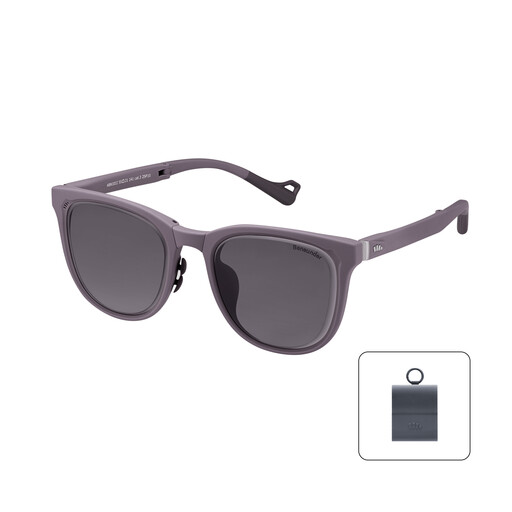
Why it suits this type of wearer: The classic Boston-style frames combine a foldable design with adjustable arms and nose bridges. They’re well suited to everyday wear and travel, and to anyone who values comfort.
The product description lists UV400, anti-reflective, oleophobic and scratch-resistant coatings. Even so, store the glasses in a case to help prevent damage.
TR90 frame, UV400 lenses, multiple coatings and a stated weight of approximately 0,97 ounce.
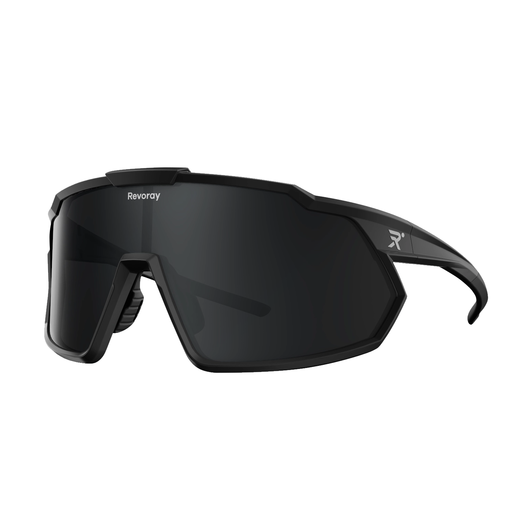
Why it suits this type of wearer: These cycling glasses are designed for road cycling, mountain biking and other outdoor activities where stability and reduced reflections matter.
The product information lists adjustable silicone nose pads, non-slip parts and a weight of around 33 grams. According to the product description, the model has been tested to ANSI Z87.1; this is not a substitute for specialist eye protection.
TAC polarised lenses, UV400 according to the product description, a TR90 frame and a water- and oil-repellent coating.
Use this quick checklist:
We’ve put together a complete, up-to-date list of products that meet these strict selection criteria and current European safety requirements.
A model with a clearly stated UV400 specification can be suitable for everyday wear, as long as the fit and lens category are right for the conditions. Check the product information, and choose a sports model for activities where you need extra stability.
Polarised sunglasses are designed to reduce certain distracting reflections. Regular sunglasses can offer UV protection without having polarised lenses. So polarisation doesn’t automatically mean you can skip checking for UV400 protection.
Their lifespan depends on how you use them, as well as the hinges, coatings and how you store them. Don’t leave sunglasses lying loose on a table with the lenses facing down, and clean the lenses with a soft microfibre cloth. Avoid harsh cleaning products and keep folding sunglasses in a case. Replace them if the lenses are deeply scratched, the coating is peeling or the frames no longer fit securely.
