
Same-day & Next-day Delivery

Quality Guaranteed

Unlock Your Welcome Offers: FREE Delivery | Up to 80% OFF | Free 30-day JoyPlus trial
Download the APP
Sunflower seeds are available as a natural ingredient, roasted snack, salted seeds and seasoned Chinese sunflower seeds. Sunflower oil belongs to the same product category, but needs to be compared differently. The packaging may look promising, while the main differences often lie in the ingredients, salt and sugar content, size and storage method.
If you want to buy sunflower seeds with a specific purpose in mind, you can avoid disappointing purchases by looking beyond flavour or price. First consider how you intend to use the product, then compare the information per 100 grams or per 100 millilitres.
A 500-gram bag of sunflower seeds may seem appealing for regular snacking or use in recipes. With seeds in their shells, however, remember that the net weight does not consist entirely of edible kernels. Shelled sunflower seeds can be used straight away in salads, bread dough or granola.
So pay attention to:
Roasted sunflower seeds can be natural, salted or heavily seasoned. Flavoured products may contain sugar, sweeteners, flavour enhancers, oil or several spices. According to the brands’ own product information, these additions may form part of the recipe; always check the current packaging.
For example, ChaCha Caramel-Flavored Sunflower Seeds contain sugar, brown sugar and sweeteners, among other ingredients. The caramel flavour suits consumers looking for a sweet sunflower seed snack, but may be less suitable for those expecting a simple ingredients list.
Where possible, compare nutritional information per 100 grams. This makes it easier to see the difference between salted sunflower seeds, natural varieties and seeds with a sweet coating. Pay particular attention to:
The nutritional values provided are product specifications, not personal dietary advice.
For organic sunflower seeds, it is important that the ingredients list clearly states that the seeds are of organic origin. Bio+ Sunflower Seeds – 500 g lists sunflower seeds of organic origin as its ingredient. The product information also states that the product contains none of the 14 major EU allergens.
Flavoured varieties may contain other allergens. Gan Yuan Sunflower Seeds with crab roe flavour, for example, lists crustaceans, cereals containing gluten and soya. Nut flavours, such as pecan or pistachio varieties, also require extra care in the event of allergies. Always check the label on the packaging, especially when the recipe may change.
A short ingredients list makes comparison easier. Anatolia Dakota Aycekirdegi Tuzlu lists sunflower seeds and salt, while other salted sunflower seeds may also contain flour or spices. Chinese sunflower seeds with five-spice or caramel flavour may additionally contain sweeteners, flavour enhancers or antioxidants.
This does not automatically mean that a product is unsuitable. It does help you choose an option that matches your preferences: natural seeds for cooking, salted seeds for traditional snacking or flavoured varieties for a sweet-and-savoury snack.
Seeds lose their crunch when moisture reaches the contents. For larger packs, choose a resealable bag or transfer the seeds to a tightly sealed, dry storage container after opening. The product information generally recommends storing them in a cool, dry place, away from direct sunlight and heat.
For eating on the go or portion-controlled snacking, smaller bags or individually wrapped portions may be more convenient. A 75, 108, 160 or 200-gram pack is easier to use quickly than a large 408 or 500-gram bag.
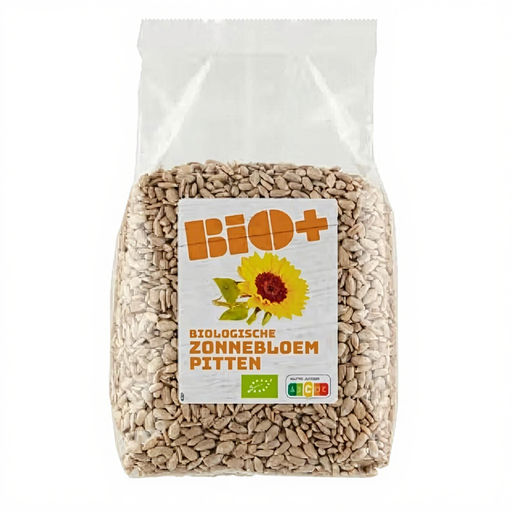
Why it suits this profile: The large pack is suitable for anyone who wants to use sunflower seeds in breakfast dishes, salads or homemade snacks. The ingredients list consists of sunflower seeds of organic origin.
The contents and simple ingredient profile are clearly stated. This means you are not paying for a flavour coating you do not need.
500 g contents; organic origin; according to the product information, none of the 14 major EU allergens.
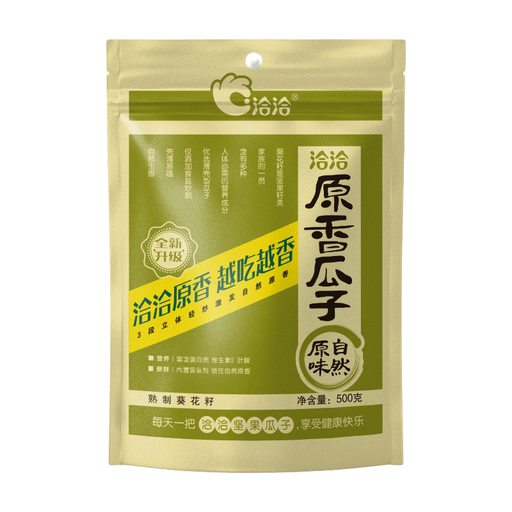
Why it suits this profile: This roasted variety is designed for fans of a classic, savoury sunflower seed snack and for households that regularly share snacks.
The ingredients list is limited to sunflower seeds and salt. So you know in advance that you are not buying a sweet coating or a complex flavour mix.
500 g net weight; roasted; the product information states 1 g of salt and 30 g of protein per 100 g.
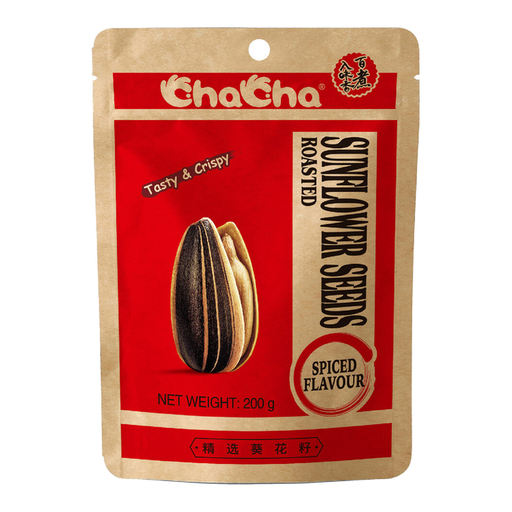
Why it suits this profile: This seasoned variety is suitable for anyone looking for international snacks with more flavour than salt alone. The 200 g pack is ideal for a film night or small gathering.
The flavour profile and ingredients are clear from the outset: in addition to seeds and salt, the mix contains spices, oil, sugar and the flavour enhancer E621.
200 g contents; seasoned flavour; resealable packaging according to the product description; ready to eat.
Sunflower oil is not a snack, but it can be useful for baking, frying, dressings and sauces. According to the product information, Goldsun Sunflower Oil consists of 100% sunflower oil and is supplied in a 500 ml bottle.
Olio Dante Mixed Sunflower and Olive Oil contains sunflower oil, maize oil and 15% extra virgin olive oil, complemented by Mediterranean herb flavourings and vitamin D. According to the brand’s own product information, this oil is intended for salads, vegetables, fish, soups and sauces, among other uses. With any oil, always check the exact composition and recommended use on the label.
We have put together a complete, up-to-date list of products that fully meet these strict selection criteria and the applicable European safety regulations.
Yes, unsalted or natural sunflower seeds are practical for salads, bread, breakfast cereals and hot dishes. With roasted varieties, check that the flavour and salt content suit the recipe.
Store them in a cool, dry place away from direct sunlight. Seal the packaging securely or use an airtight storage container. This limits exposure to moisture and helps the seeds stay crunchy for longer. Always check the date on the packaging for the shelf life.
Shelled sunflower seeds can be used or eaten straight away. With unshelled seeds, you must remove the shell first. A product with shells can therefore take longer to eat and does not provide the same proportion of edible kernel as a shelled variety.
