
Same-day & Next-day Delivery

Quality Guaranteed

Unlock Your Welcome Offers: FREE Delivery | Up to 80% OFF | Free 30-day JoyPlus trial
Download the APP
Sunflower seeds are a popular snack for journeys, drinks with friends or a cup of tea. Online, you’ll mainly find roasted sunflower seeds, salted varieties and Chinese sunflower seeds with an original flavour. However, eye-catching packaging tells you little about what you’re actually buying.
So pay particular attention to these three common pitfalls:
For a simple snack, a short ingredients list is easy to understand. Sanpangdan products, for example, list sunflower seeds and edible salt. Other varieties may contain additional ingredients. According to the product information, Hui Ji Sunflower Seeds Original Flavor 408g contains sugar, sweeteners, flavouring and various additives, among other ingredients.
So if you’re looking for the simplest possible ingredients, don’t rely on the flavour name alone. Always check the full ingredients list on the product page and the packaging.
Also note the difference between:
The nutrition table makes products easier to compare than the total pack size. In the product information provided, the energy values of the different sunflower seed products range from approximately 581 to 650 kcal per 100 grams. Several varieties contain around 48 to 55 grams of fat per 100 grams.
That doesn’t mean one product is automatically suitable for everyone. However, it can help you make informed choices:
Sunflower seeds, pumpkin seeds, pine nuts and nuts are naturally high in energy. Consider them part of your overall diet, rather than a product with guaranteed health benefits.
A small pack is suitable for a one-off snack or for taking with you. The Sanpangdan Sunflower Seeds Original Flavor 90g is individually packaged and contains 90 grams, according to the product information. The 218-gram variety makes more sense for enjoying at home or sharing.
For parties or households with several snackers, a larger pack can be a good option. ChaCha Original Roasted Sunflower Seeds 500g, for example, is a generous choice for sharing. If you’re unlikely to finish the pack quickly, store the contents in a cool, dry place away from direct sunlight. Seal the packaging properly after opening.
Do you mainly use seeds in dishes? In that case, pumpkin seeds or shelled pine nuts may be more practical. Roasted nuts, such as walnuts, almonds, hazelnuts, cashews or mixed snack nuts, also work well on a sharing platter.
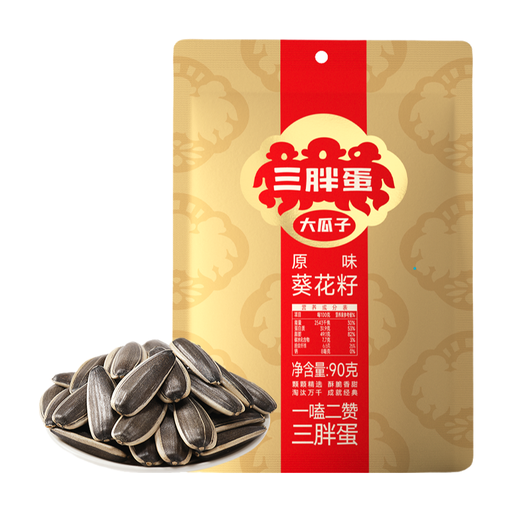
Why it suits this profile: The 90-gram pack is a manageable choice if you’re trying Chinese sunflower seeds for the first time or want a small amount to take with you.
The product information lists a short ingredients list containing sunflower seeds and edible salt. This makes it immediately clear what’s inside.
90 g net content, original flavour and individually sealed packaging, according to the product description.
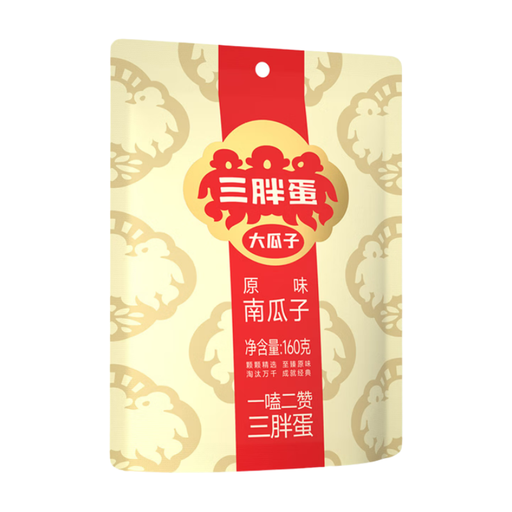
Why it suits this profile: If you’d like to try a different roasted seed as well as sunflower seeds, you’ll get eight individually wrapped 20-gram portions.
The individual portions limit exposure to moisture after opening. The ingredients list contains pumpkin seeds only.
160 g in total, eight 20 g portions and, according to the product information, a thin shell with crunchy kernels.
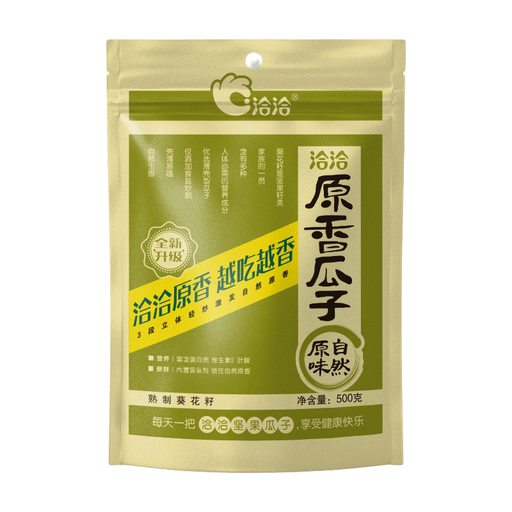
Why it suits this profile: This large pack is ideal for regular snacking at home, sharing with others or keeping roasted nuts and seeds in the cupboard.
The total quantity is clearly stated as 500 g. According to the product information, the ingredients are sunflower seeds and salt, with no hidden flavour categories.
500 g net content, original roasted flavour and a stated freshness guarantee of 25 days.
We’ve put together a complete, up-to-date list of products that fully meet these strict selection criteria and the applicable European safety regulations.
The kernel is edible, but the shell is not. With products in the shell, crack it open and remove the shell before eating the seed. Take extra care with young children and check the warnings on the packaging; some nuts and seeds may pose a choking hazard.
Store them in a cool, dry place, away from direct sunlight and moisture. Seal an opened bag securely or transfer the seeds to an airtight storage container. Individual bags are practical when you won’t use all the contents at once. Always check the best-before date and the specific storage instructions on the packaging.
That depends on how quickly you’ll use them. Divide the price by the number of grams and compare the result per 100 grams. A larger pack may have a lower price per kilo, but it’s only practical if you’ll eat the seeds quickly enough and can seal the pack properly. For journeys or occasional snacking, a small pack prevents unnecessary stockpiling.
