
Vandaag of morgen in huis

Kwaliteit gegarandeerd

Welkomstaanbiedingen ontgrendelen: GRATIS bezorging | Tot 80% korting | Gratis 30 dagen JoyPlus-proefperiode
Download de app
A sunflower seed snack may seem simple: choose a flavour, grab a bag and you’re done. Yet products can vary considerably in salt content, sweeteners, allergens, packaging and net weight. If you only look at the front of the bag, you may end up paying for a small portion or choosing a flavour that does not suit how you plan to use it.
This buying guide will help you compare roasted sunflower seeds in practical terms. Whether you’re looking for Chinese sunflower seeds for a film night, want to share salted sunflower seeds or are trying a sweet caramel or coconut variety, pay particular attention to the information on the packaging.
A 450 or 500-gram bag may seem appealing as a snack to share. However, sunflower seeds can absorb moisture after opening, which reduces their crunch. A large pack is most useful when you’re eating the contents with several people or can seal the bag properly.
For one person or as an introduction to a new flavour, a pack of around 90 to 200 grams may be more practical. This way, you won’t have to store a large quantity if the flavour isn’t quite right for you.
The taste experience can vary, while the salt content per 100 grams can differ significantly. For example, the stated product information lists 1.2 grams of salt per 100 grams for 200-gram ChaCha Spiced Sunflower Seeds, compared with 2.88 grams of salt for the 108-gram candied mandarin peel variety. 240-gram Anatolia Sunflower Seeds list 3 grams of salt per 100 grams.
So always compare the nutrition table, rather than relying only on the words “salted”, “spiced” or “original”.
Caramel-, coconut- or pecan-flavoured sunflower seeds often contain sugar, flavourings and sometimes sweeteners. According to the ingredients list, the 160-gram ChaCha Caramel-Flavored Sunflower Seeds contain sugar, brown sugar and the sweeteners E950 and E955, among other ingredients. The product information also warns that it contains sweeteners.
This does not mean the flavour is any less suitable, but it can help you make an informed choice. If you want to limit sugar or certain additives, it is best to check the full ingredients list.
Pay attention to the differences between the following sizes:
Individual inner packs can help keep the contents crisp for longer. Some ChaCha products are listed as individually wrapped. A resealable bag is also practical, but always seal the packaging carefully after opening.
Most of the roasted sunflower seeds in this range are supplied in their shells. You crack the shell and eat only the seed. ChaCha and Dahaoda product information explicitly states that the shells are not edible.
Shelled varieties are also available, such as Gan Yuan Sunflower Seeds with crab seasoning. These can be eaten straight away, but have a different ingredients and allergen list. According to the product information, the Gan Yuan variety contains crab, wheat and soya, among other ingredients. Extra care is needed for children: check the warnings on the packaging and do not allow young children to eat them unsupervised.
At a minimum, compare:
According to the information provided, 108-gram ChaCha Pecan Flavor contains 0.3% Chinese pecan and lists pecan as an allergen. 408-gram Dahaoda Pecan-Flavored Sunflower Seeds contain walnut powder and list nuts as an allergen. Always check the packaging of the order you receive, as product compositions may change.
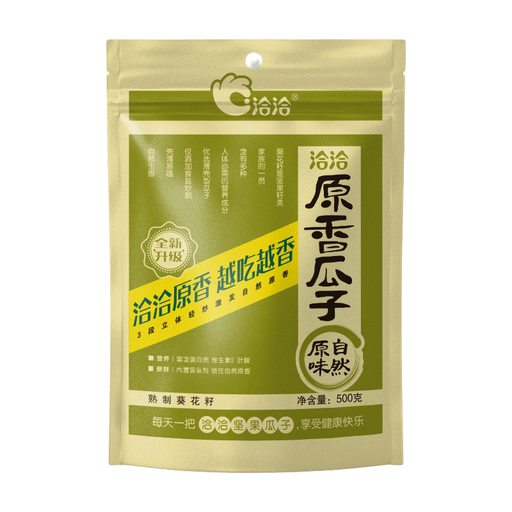
Why it suits this profile: The large pack is ideal if you want to try a classic flavour and share the sunflower seeds with others.
The ingredients list is short: sunflower seeds and salt. The pack size makes it easy to compare the price per 100 grams.
500 grams, original flavour and, according to the product information, 1 gram of salt per 100 grams.
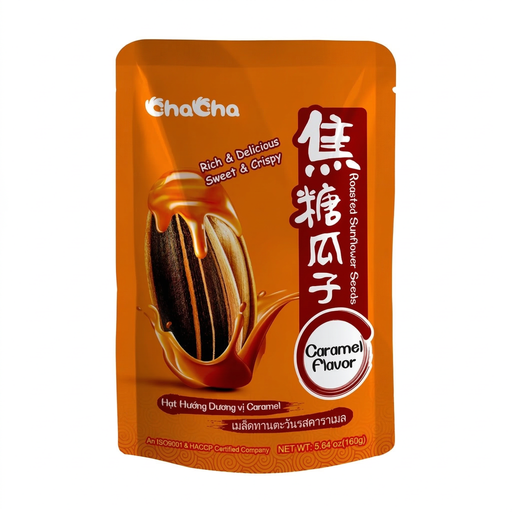
Why it suits this profile: This flavour is designed for anyone looking for a sweet variety with a roasted, crunchy texture.
The medium-sized pack means you do not have to buy a family-sized bag straight away. The ingredients and nutritional values are clearly specified.
160 grams, caramel flavour, 608 kcal and 1.2 grams of salt per 100 grams according to the product information.
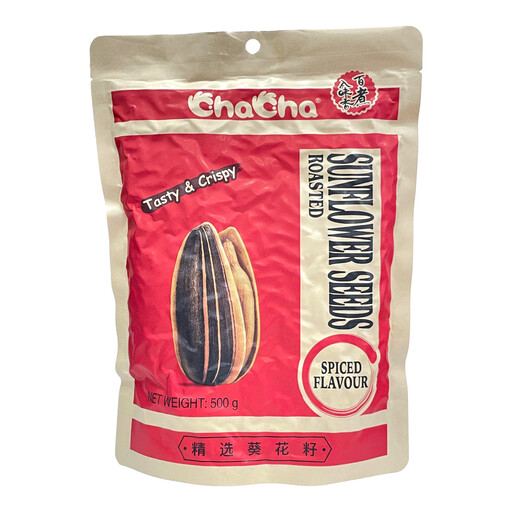
Why it suits this profile: The large bag is well suited to regular snacking, parties and film nights with several people.
The product lists its ingredients, serving size and storage instructions. After opening, you can reseal the bag to limit moisture absorption.
500 grams, spices such as liquorice and fennel, and, according to the product information, 1.8 grams of salt per 100 grams.
We’ve put together a complete, up-to-date list of products that fully meet these strict selection criteria and the applicable European safety regulations.
If you enjoy trying Asian snacks, you can look beyond the classic variety. Popular choices in the range include:
Brand information about flavour and production methods comes from the manufacturer. According to Qia Qia’s own research, its roasting and flavouring techniques have been developed to create a consistent taste experience. This is a brand claim, so also compare the actual ingredients, nutritional values and packaging.
Store the bag somewhere cool and dry, away from direct sunlight. Seal the packaging securely or use an airtight storage container. Ideally, eat the seeds soon after opening to minimise any loss of crunch caused by moisture.
No. With most varieties, you crack the shell and eat only the seed. The shell is not edible. Check the usage instructions, especially for products with an unusual shape or shelled seeds.
For one or two people, 160 to 260 grams is often practical. For a larger group or a snack to share, you may want to consider a 450 or 500-gram bag. When choosing, also compare the shelf life after opening and whether the bag can be resealed.
