
Breakfast fans who pay attention to bread type and fibre
You’re looking for soft bread to top or use in toasties, and want to compare the fibre content per 100 g when choosing.


Choose soft wholemeal bread for toasties if you want a slice you can top for Sunday breakfast and care about the type of bread and its fibre content. White toast bread is another soft option; rusks and crackers are better suited to those looking for a crisp base than for making a toastie. If you’re after a medium-thick slice, check the bread itself: for the products discussed here, the term ‘medium sliced’ doesn’t specify an exact slice thickness.
You’re looking for soft bread to top or use in toasties, and want to compare the fibre content per 100 g when choosing.
You want to open a pack on Sunday without having to use it all at once. In that case, pack size and the option to freeze portions are important.
Before buying, you check the ingredients, allergens and salt, or want to know whether baker’s salt or iodised salt has been used.
Best for: anyone looking for a soft slice to top or use in toasties, and wanting to compare the fibre content of wholemeal bread.
Bear in mind: check the allergens and actual slice dimensions for each variety.
Best for: anyone mainly looking for soft bread with a mild flavour for breakfast or a toastie.
The trade-off: the Netherlands Nutrition Centre advises replacing white bread with wholemeal or brown bread wherever possible.
Best for: anyone looking for a dry, crispy base for a light topping.
The trade-off: these are different types of bread from soft bread for toasties, and aren’t the same base for a toastie.
| What to consider | What to check before buying | Who it matters to |
|---|---|---|
| Bread type and fibre | Check whether the bread is labelled wholemeal and compare the fibre content per 100 g. | If I want to serve wholemeal bread, I want to compare the nutritional values of the options. For around 36% of consumers, bread type and fibre are the top priority. |
| Softness and slice size | Check the shape of the loaf and the slice itself if it needs to fit your toaster, toastie maker or topping. | For sandwiches or a toastie, I want a soft slice that suits the way I’ll use it. This texture and size are the top priority for around 29% of consumers. |
| Storage | Compare the pack size and storage instructions; consider whether you can freeze any portions you won’t use straight away. | If I only eat this bread at the weekend, I want to be able to store the rest. For around 21% of consumers, convenient storage is the biggest consideration. |
| Ingredients and salt | Read the latest allergen information and nutritional values; check the ingredients list if baker’s salt or iodised salt matters to your choice. | If I need to watch certain ingredients or the type of salt used, I want to check the exact variety. For around 14% of consumers, checking the label is what makes the difference. |
A product name or photo won’t tell you whether a slice fits your toaster or toastie maker. The Dutch product pages discussed here don’t give a standard thickness for this description.
Where possible, check the slice and packaging before choosing based on slice size.
The Netherlands Nutrition Centre says that baker’s salt isn’t used in every loaf. So the type of bread alone won’t tell you which salt is in the ingredients.
Check the label for ‘baker’s salt’ or ‘iodised salt’ if this matters to your purchase.
The wholemeal label doesn’t mean you can skip checking the allergens or salt. Product information from Albert Heijn and Jumbo shows that these details need to be checked for each variety.
Compare the ingredients, allergens and nutritional values on the exact pack you’re buying.
If you mainly eat bread on Sundays, any leftover slices could dry out before you get to them. The Netherlands Nutrition Centre lists freezing as a way to store wholemeal bread.
Choose a pack size that suits how you’ll use it, or freeze any portions you won’t need in good time.
Offers soft wholemeal bread for toasties, among other options, for anyone looking for bread that’s easy to top.
Offers a half loaf of wholemeal bread for toasties if you’re looking for a smaller pack.
Lists a 375 g loaf for toasties as an in-store product.
Describes a range of breads and also lists toast and rusks as breakfast options.
Offers rusks, crackers and crispbread, among other crispy bread products.
These Thinmax products are suited to anyone choosing soft toast bread for breakfast. If you’re looking for wholemeal bread or a particular slice thickness, check the packaging of the exact variety before you choose.
 Image unavailable
An option to consider if you’re looking for soft toast bread for breakfast or sandwiches.
The product information describes four individually wrapped portions. If you have an allergy, check the latest allergen information, and look at the slice size itself if it’s important for how you’ll use it.
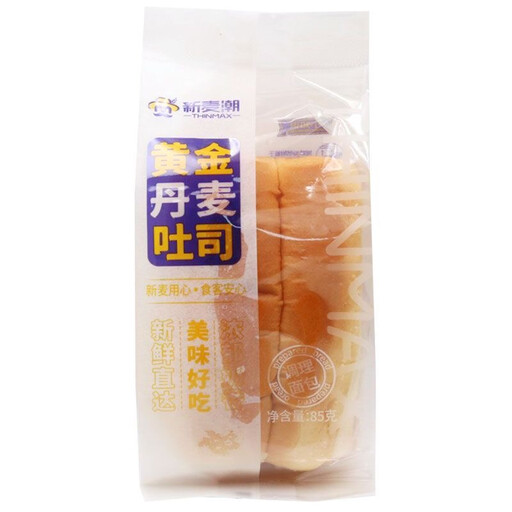 Image unavailable
An option for anyone who wants to toast soft bread or use it for sandwiches.
The product information lists wheat, milk, egg, soya and sesame. If you have an allergy, check the latest packaging and look at the slice if you need a particular thickness.
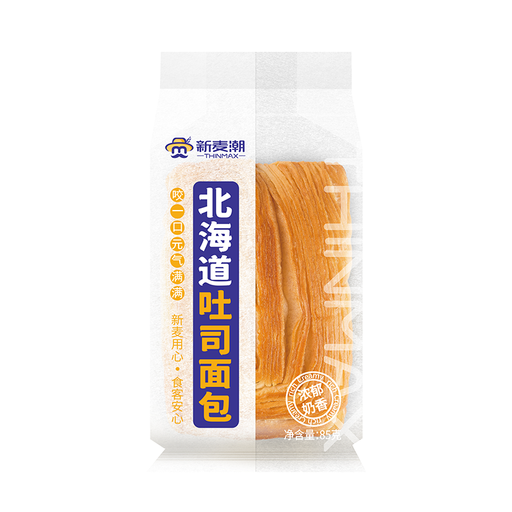 Image unavailable
An option if you’re looking for soft toast bread that, according to the product description, can be eaten as it is or toasted.
The listed ingredients include sugar, while the accompanying nutrition table states 0 g sugars. So check the nutritional information on the packaging, and also check the allergens and slice size before choosing.
Don’t use the term as a guide to whether a slice will fit your toaster or toastie maker. Compare the dimensions on the packaging or look at the slice itself if the fit matters.
Wholemeal bread for toasties is an option if you want soft bread and care about the type of bread and its fibre content. The Netherlands Nutrition Centre advises replacing white bread with wholemeal or brown bread wherever possible; you should also compare the nutritional values of the specific products per 100 g.
Freeze any portions you won’t use in good time if you’re not going to finish the pack within a few days. The Netherlands Nutrition Centre’s storage guide recommends keeping opened wholemeal bread in a kitchen cupboard for 2–4 days or in the freezer for 1–3 months; its quality may deteriorate while frozen.
Check the ingredients and allergens for the exact variety you’re buying. The Albert Heijn and Jumbo products described here list cereals containing gluten, among other things; other listed allergens and information about possible traces vary by product.