
Vandaag of morgen in huis

Kwaliteit gegarandeerd

Welkomstaanbiedingen ontgrendelen: GRATIS bezorging | Tot 80% korting | Gratis 30 dagen JoyPlus-proefperiode
Download de app
A sun protection spray is handy for the beach, on holiday or when exercising. You can apply the formula quickly and reach your back, shoulders and legs more easily. However, not every sunscreen spray is the same. For example, a transparent mist can be difficult to see while applying, while a high SPF is no reason to use less product.
The following pitfalls are common:
A SPF 30 sunscreen spray is a practical option for many adults when spending time outdoors every day, provided you apply enough and limit exposure. SPF 50 or SPF 50+ sunscreen spray offers a higher protection factor and may be suitable for fair skin, intense sunshine, long days outdoors or situations where reapplying is more difficult.
SPF is not a licence to stay in the sun for longer. Also choose a product that states it protects against both UVA and UVB. UVA radiation penetrates deeper into the skin, while UVB is mainly associated with reddening and sunburn. Follow the instructions for use and combine sunscreen with clothing, a hat and shade.
A fine mist feels quick and light to apply, but this makes it easy to use too little. Vision’s product information gives a guideline of 35 ml per adult per application. That is roughly a small shot glass for the whole body. Apply sunscreen 15 to 20 minutes before exposure if this is stated on the packaging.
Do not spray directly into the eyes, mouth or onto damaged skin. With an aerosol, it is advisable to spray outdoors or in a well-ventilated area, and to keep away from fire and heat sources. When applying to the face, spray into your hand first and then spread it over the skin, unless the packaging specifically states otherwise.
If you dislike a sticky layer, look for terms such as dry touch, fast-absorbing or non-greasy. A transparent sunscreen spray generally leaves fewer white marks, but still check after spraying that all areas are covered evenly.
For swimming and sport, water-resistant sunscreen is practical. The term does not mean that protection remains completely intact after swimming or drying off. Reapply after swimming, heavy sweating or drying yourself with a towel.
Do you have sensitive skin? Look for a sunscreen for sensitive skin that is fragrance-free and check the ingredients. “Dermatologically tested” is a product feature, not a guarantee that every skin type will react in the same way. If in doubt, test a small amount first. If you are looking for moisturising sunscreen, compare ingredients such as glycerine, hyaluronic acid or aloe vera in the product information. Also look out for alcohol and fragrance if you are sensitive to them.
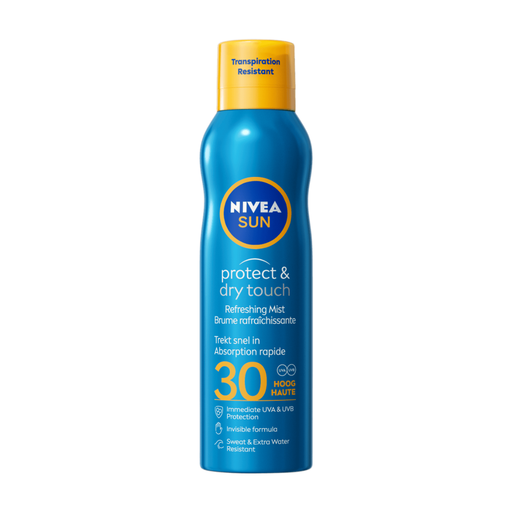
Why it suits this profile: This 200 ml spray combines SPF 30 with a transparent, water-resistant formula and a lightweight texture for everyday use on the body.
The product description mentions UVA/UVB protection, fast absorption and water resistance. This means you do not have to rely solely on the term “transparent”.
SPF 30, transparent spray, 200 ml and, according to the product information, suitable for use during sport.
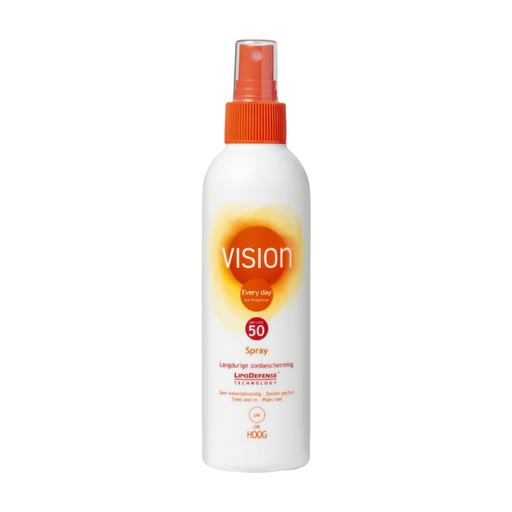
Why it suits this profile: According to the product information, this SPF 50 sunscreen spray is fragrance-free, fast-absorbing and intended for the face and body of adults and children.
The specifications explicitly mention UVA/UVB protection, fragrance-free use and high water resistance. Always check the current packaging and ingredients list.
SPF 50, 180 ml, 100% fragrance-free according to the product description, and suitable for the face and body.
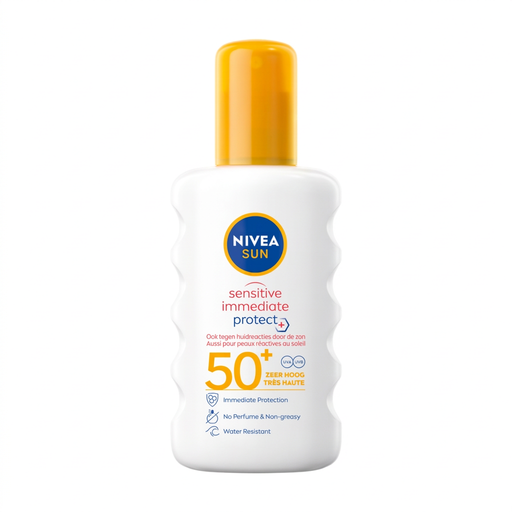
Why it suits this profile: This fragrance-free SPF 50+ spray is aimed at people looking for a formula for sensitive skin who swim regularly or spend a lot of time being active outdoors.
The product details mention SPF 50+, UVA/UVB protection, fragrance-free properties and water resistance. This makes the choice easier to verify than relying solely on a general promise of comfort.
200 ml, SPF 50+, fragrance-free formula, plus Bio Aloe Vera and jojoba oil according to the product information.
A tanning spray SPF 30 or sun oil with SPF 30 may be appealing if you want to support a tanned complexion. NIVEA SUN Protect & Bronze and Garnier Ambre Solaire Bronze state that they do not contain self-tanning ingredients. According to the brands’ own product information, these formulas contain ingredients that support the skin’s natural tanning process. This does not change the need to apply enough sunscreen and avoid spending longer in the sun.
An aftersun spray is not a substitute for sunscreen. According to the product description, NIVEA Sun Hydrating Soothing After Sun Spray contains ingredients including aloe vera, vitamin E and hyaluronic acid to leave the skin feeling cool and hydrated after exposure. Use aftersun after showering, not as protection before sun exposure.
This varies by product. Check whether the face and body are listed as application areas. Preferably spray into your hand before applying it to your face, and avoid the eyes and lips. Garnier, for example, states that its Bronze spray should not be applied directly to the face.
Reapply after swimming, sweating or drying yourself. Vision’s product information also gives a guideline of approximately every two hours. Always use enough product; a thin layer of mist does not automatically provide the protection stated on the packaging.
Check the expiry date, batch information and any period-after-opening symbol on the packaging. Store the spray somewhere cool and out of direct sunlight. Do not leave an aerosol in a hot car and keep it away from naked flames.
We have put together a complete, up-to-date list of products that fully meet these strict selection criteria and the applicable European safety regulations.
