
Vandaag of morgen in huis

Kwaliteit gegarandeerd

Welkomstaanbiedingen ontgrendelen: GRATIS bezorging | Tot 80% korting | Gratis 30 dagen JoyPlus-proefperiode
Download de app
The sun is making its appearance again, which means it's time to think about proper protection. But the search for the right sun protection can feel like navigating a maze. A parasol that fades after one season, a sunscreen that doesn't provide the promised protection, or a UV umbrella that's too cumbersome for daily use. These are common problems that lead to wasted money and frustration.
As a Joybuy Product Recommendation Officer, I see many products come and go. I'm here to help you see through the marketing hype and focus on what truly matters. Let's look at two common pitfalls:
To avoid a poor purchase, it's important to pay attention to a few technical specifications. These details determine the effectiveness and longevity of your purchase.
Good sun protection goes beyond just a high SPF value. It's crucial to understand the difference between the various indicators.
A parasol is an investment for multiple summers. Its durability depends on the materials used.
Not everyone needs the same thing. Below is a selection of products that suit specific lifestyles and needs, based on their specifications.
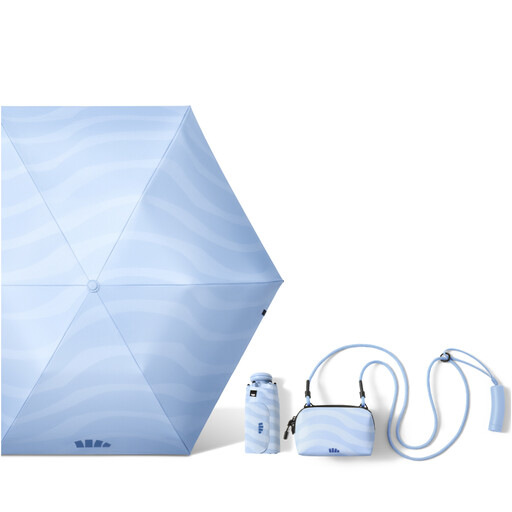
Why This Fits Their Persona: Ideal for those who are always on the go and need instant protection. This UV umbrella is extremely lightweight and compact, fitting easily into a handbag or backpack for daily use in the city or while travelling.
This is not an ordinary rain umbrella. According to the manufacturer, its coating blocks over 99% of UV rays, offering far superior protection than standard umbrellas.
Weighs only 255 grams and comes with a convenient storage bag with a shoulder strap.
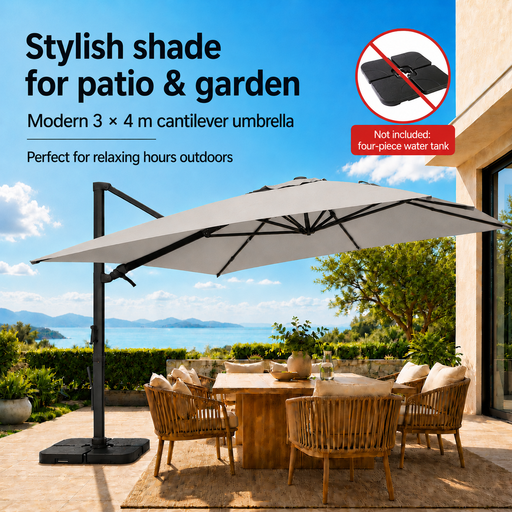
Why This Fits Their Persona: Perfect for those with a large patio or garden who want to create maximum shade without an obstructive central pole. Ideal for placing over a large garden set or lounge area.
The full aluminium frame and the heavy-duty, yarn-dyed 280 g/m? canopy are designed for durability and colour fastness, countering the typical wear and tear of cheaper models.
360° rotatable and tiltable, allowing you to easily adjust the shade throughout the day as the sun moves.
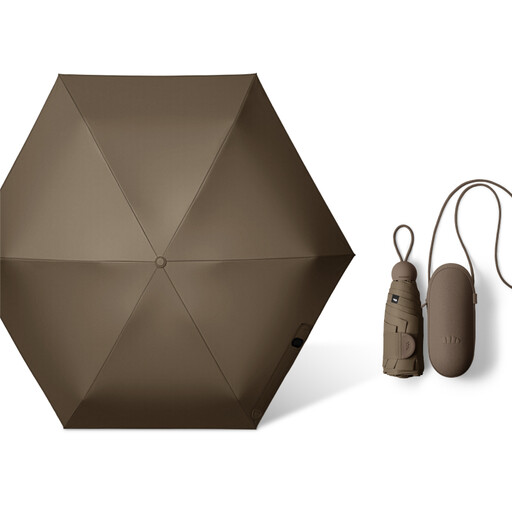
Why This Fits Their Persona: For those who value functionality and a sleek design. This umbrella folds down to an extremely compact size and is stored in a stylish, hard capsule case that fits in any bag or even a coat pocket.
Despite its small footprint, this model features a frame with 6 reinforced ribs, providing better wind resistance than many other ultra-compact umbrellas.
The patented capsule case protects the umbrella and makes it easy to carry. Suitable for both sun and rain.
Beyond parasols and umbrellas, there are also fixed solutions for your home. Explore our range for products that meet strict selection criteria.
A regular umbrella is primarily designed to keep you dry. Its fabric is often not woven densely enough to effectively block UV radiation. A UV umbrella, on the other hand, has a canopy with a special coating and a higher weave density, resulting in a high UPF value. This provides a reliable barrier against harmful radiation.
A cantilever parasol catches more wind due to its design, making stability essential. Most models come with a cross base, but you must purchase the counterweights (paving slabs or a fillable base) separately. For a 3x4 metre parasol, a total weight of at least 80 to 100 kg is recommended to prevent it from tipping over. Always close the parasol in strong winds or when not in use.
Not necessarily. The protection level does not increase proportionally with the SPF number. SPF 30 blocks about 97% of UVB rays, while SPF 50 blocks about 98%. The difference is marginal. More importantly, you should apply sunscreen generously and frequently (every two hours). Additionally, always choose a 'broad-spectrum' product that also protects against UVA rays, such as the Fancl Sunguard 50+ Protect UV, which combines an SPF50+ with the highest PA++++ rating.
