
Vandaag of morgen in huis

Kwaliteit gegarandeerd

Welkomstaanbiedingen ontgrendelen: GRATIS bezorging | Tot 80% korting | Gratis 30 dagen JoyPlus-proefperiode
Download de app
Buying sun protection may seem straightforward, but products vary considerably in SPF, texture, filters and ease of use. For example, a product that feels comfortable under make-up may not be suitable for swimming. And a foundation with SPF is generally not a substitute for a separate facial sunscreen.
For adults in the Netherlands, three pitfalls are particularly important: marketing claims without clear specifications, a texture that does not suit your skin type, and using too little product or not reapplying often enough. By checking the right details, you can make a more practical choice.
A product such as Clinique Even Better Clinical Serum Foundation SPF20 combines make-up with SPF20. According to the product description, the foundation provides additional protection against discolouration caused by UV radiation. However, the amount of foundation someone normally applies is not automatically enough to provide the protection level stated on the label.
Use make-up with SPF as an extra layer of protection. For daily facial sunscreen, apply a separate facial sun cream first and allow it to absorb for a short while before using foundation.
A hydrating sun gel may feel comfortable on dry skin, but always check the stated SPF, UVA rating and usage instructions. A high SPF does not mean unlimited protection. Terms such as Korean sunscreen, serum or air fit often mainly describe the texture or product positioning.
Therefore, check the specific details on the packaging and product page. Look at the SPF, PA rating, water resistance, size and recommended skin type.
According to the product information, some formulas are water- and sweat-resistant. This is useful when cycling, walking or swimming, but rubbing, towel-drying and perspiration can reduce the layer of protection. Reapplication is still necessary, particularly after swimming, exercising or drying yourself with a towel.
A water-resistant sunscreen is therefore a practical feature, not a reason to ignore the usage instructions.
SPF mainly relates to protection against UVB radiation, which can cause redness and sunburn. UVA radiation penetrates deeper into the skin and contributes to the effects of long-term UV exposure. Look for a product that provides clear information about both types of radiation.
For everyday use, many consumers choose an SPF50 sunscreen, particularly during prolonged exposure, if they have fair skin or when taking part in outdoor activities. SPF30 may be suitable in certain situations, but the right choice depends on your skin, the season, location and length of exposure.
The PA++++ rating is used mainly for Asian products and indicates UVA protection according to that classification. Also check that the European packaging and usage information are clear.
If you have sensitive skin, it is sensible to test the product on a small area first. Stop using it if irritation occurs and consult a doctor if symptoms persist.
Check whether the product is explicitly described as water- or sweat-resistant. Also consider the size: a 90 or 100 ml tube is more convenient for regular use on your face, neck and body than a smaller format, while 50 ml is practical for carrying in a bag.
Always follow the label. Much product information recommends reapplying after swimming, sweating or towel-drying, and reapplying regularly during prolonged exposure.
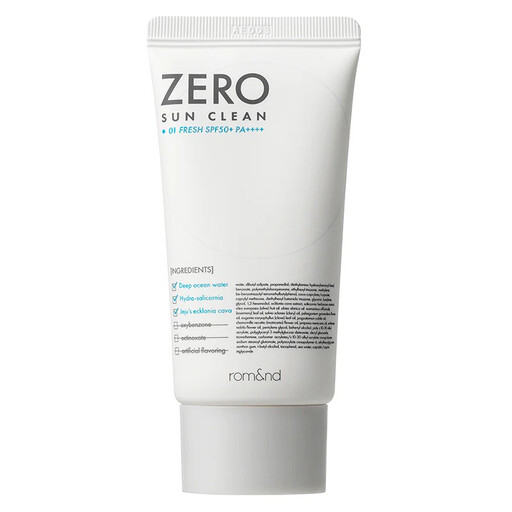
Why it suits this profile: According to the product information, this lightweight sunscreen has a fresh finish, absorbs quickly and leaves neither a white cast nor a sticky feeling. This makes it easy to use every day and suitable under make-up.
The product description specifies the texture and the absence of a white cast, so you do not have to rely solely on a general “lightweight” claim. Check the SPF on the packaging before buying.
Quick absorption, a fresh finish and, according to the product information, suitability for all skin types.
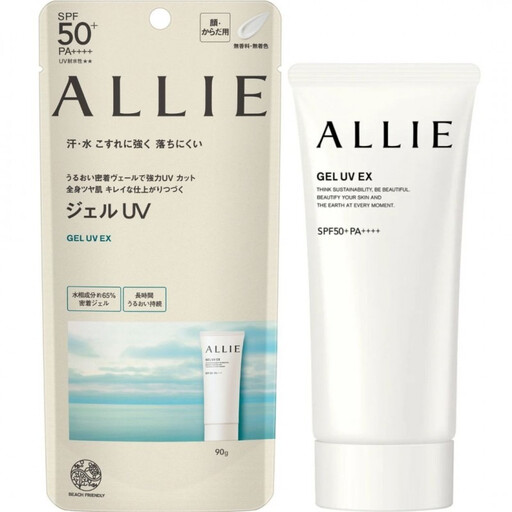
Why it suits this profile: This gel lists SPF50+ and PA++++ and, according to the product information, is water- and sweat-resistant. The 90 g size suits anyone looking for one product for regular use and outdoor activities.
The SPF, UVA rating and water resistance are clearly stated. However, reapplication is still necessary after swimming, sweating or towel-drying.
SPF50+, PA++++, a gel texture and 90 g size according to the product details.
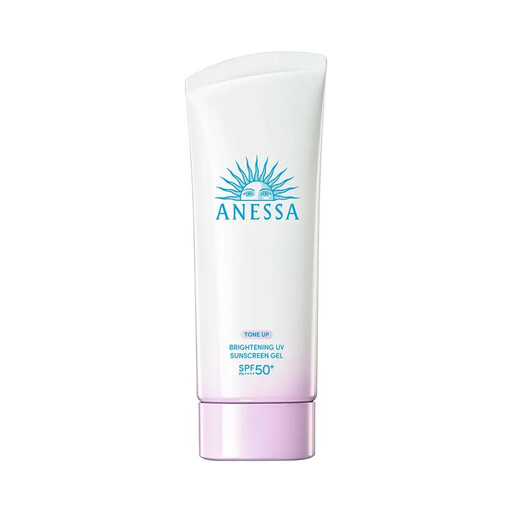
Why it suits this profile: According to the product description, the gel is designed to provide SPF50+ PA++++ protection, water and sweat resistance, and resistance to rubbing. The described finish may suit anyone who wants to combine sunscreen with a make-up base.
The product information mentions specific conditions such as water, sweat and rubbing. Treat these as usage information and continue to follow the label for reapplication.
SPF50+ and PA++++; according to the product description, it is also intended for use as a make-up primer.
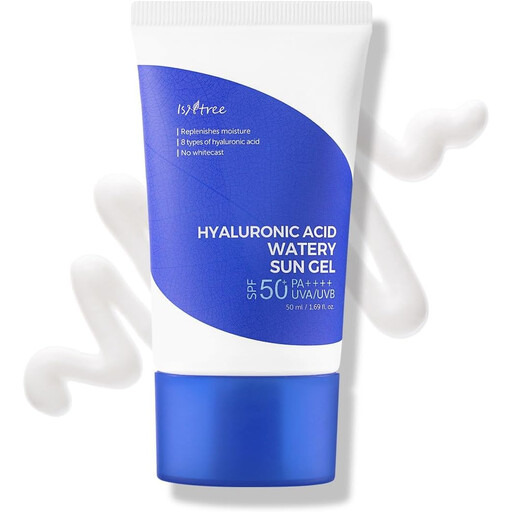
Why it suits this profile: According to the product information, this gel contains eight types of hyaluronic acid and has a lightweight, non-greasy finish. This may suit dry skin or use under make-up.
The product page lists SPF50+ PA++++ and specifically describes the finish as lightweight and non-sticky. Apply a generous amount, though: a thin layer reduces the level of protection in practice.
SPF50+ PA++++, a gel texture and hydrating ingredients according to the product description.
Sunscreen is not the only way to limit exposure. A portable sun-protective umbrella can be useful when walking, waiting for public transport or spending a day in the city. The Beneunder BM527 and BM528 list a black coating, UPF 50+ and a foldable design. According to the product information, both models have six reinforced ribs and a water-repellent outer layer.
However, an umbrella does not cover every part of your body and is not a substitute for sunscreen on your face, neck or arms. Use it as an extra measure, together with clothing, sunglasses and shade wherever possible.
We have compiled a complete, up-to-date list of products that fully meet these strict selection criteria and the applicable European safety requirements.
A foundation with SPF20 can provide additional protection, but it is usually not applied thickly enough to serve as your only sun protection product. Apply a separate facial sunscreen first, then apply your foundation.
Follow the instructions on the packaging. Reapply after swimming, sweating or towel-drying, and reapply regularly during prolonged exposure. Even with water-resistant sunscreen, reapplication is still necessary.
Check the expiry date and the period after opening on the packaging. Store sun protection products in a cool, dry place away from direct sunlight, and close the packaging securely. A change in smell, colour or texture may be a reason to stop using the product.
