
Vandaag of morgen in huis

Kwaliteit gegarandeerd

Welkomstaanbiedingen ontgrendelen: GRATIS bezorging | Tot 80% korting | Gratis 30 dagen JoyPlus-proefperiode
Download de app
A sun hat for women and men needs to do more than look summery. Whether you’re out walking, cycling, spending a day at the beach or enjoying the garden, you’ll soon notice whether it stays in place, provides enough shade and feels comfortable rather than stuffy. Product claims alone, however, don’t always make it easy to choose well.
The most common buying mistakes are:
Below are the key specifications to help you compare products more confidently.
UPF 50+ is a material rating indicating how much UV radiation passes through the fabric, according to the product information. The product descriptions from the brands concerned state that several models use solution-dyed or similar UV-protection technology. But that’s no reason to focus on the number alone.
Also check:
A wide-brimmed sun hat of around 8 cm or more will generally provide more shade than a small peak, but the design and how you wear it still matter. An open-top sun visor lets more heat escape, while a closed bucket hat offers more all-round coverage.
For a breathable summer hat, mesh panels, a lightweight lining or an open top are practical features. Polyester and nylon are lightweight and usually dry quickly. A linen hat often feels airy, but always check the exact fabric composition and care label.
A waterproof sun hat can come in handy in changeable British weather. Just bear in mind the difference between a water-repellent outer layer and a construction that includes a membrane. According to TOP-EX’s product description, some models have a waterproof outer layer, membrane and mesh lining. This makes them suitable for light rain, but doesn’t mean every model will stand up to prolonged heavy rain.
A packable sun hat is useful for travelling and walking. Check whether the brim returns to shape after folding, and whether the hat has a chin strap, drawcord or adjustable buckle.
Measure horizontally around your head, just above your eyebrows and ears. Compare this with the size chart in centimetres; size labels used in the US and Europe can vary between brands.
An adjustable fastening is especially useful for:
A chin strap helps keep an outdoor hat in place, but may be less comfortable for everyday wear. A sun visor with an open top feels airier, but offers less coverage for the top of your head.

Why it suits this need: Its lightweight, packable design makes it a good choice for travelling, beach trips and everyday walks. According to the product information, sizes M-L and XL-XXL fit head circumferences of 56 to 66 cm.
The product description lists an adjustable buckle, internal sweatband, mesh lining and packable design. This means the fit doesn’t rely solely on a fixed size.
According to TOP-EX: UPF 50+, waterproof polyester outer layer, weighs 63.7 grams and has a ponytail opening.
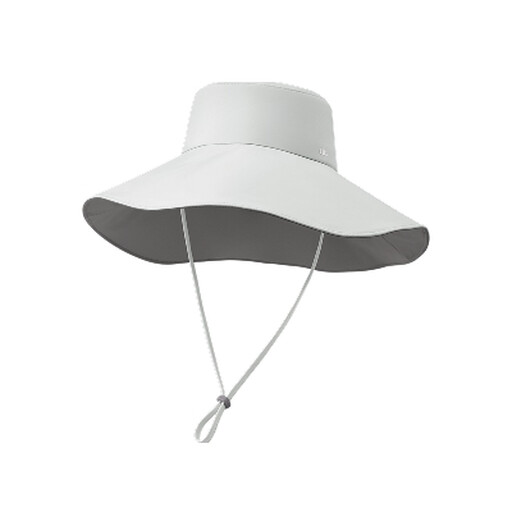
Why it suits this need: This model is a good fit if you’re looking for wide all-round coverage, ventilation and a reversible design for beach days, trips or longer walks.
The stated 16 cm brim width helps reduce the risk of insufficient side coverage. Ventilation panels are listed in the product description, but check the fit before buying.
According to Beneunder: UPF 50+, reversible design, ventilation panels and a flexible, foldable brim.

Why it suits this need: The detachable neck flap is handy for fishing, boating, camping and walking. You can remove it when full neck coverage isn’t needed.
The adjustable drawcord fastening is designed for head circumferences of 57 to 65 cm. The neck flap is detachable, so the cap doesn’t have to feel heavy or warm all the time.
According to TOP-EX: UPF 50+, waterproof nylon, packable design and a detachable neck flap.
We’ve put together a complete, up-to-date list of products that meet these strict selection criteria and the applicable European safety requirements.
It depends on how you’ll use it. A wide brim can provide more all-round shade for your face, ears and neck. A sun visor with an open top lets heat escape more easily and can be comfortable for sport. For both styles, check the brim width, fit and UV rating.
Always follow the care label. Some models can be washed at 30 °C and left to air-dry. Other models, such as certain Beneunder styles, are designed for spot cleaning with a mild detergent, according to the product information. Don’t use bleach unless the care label says it’s suitable, and avoid high temperatures with synthetic fabrics.
Its lifespan depends on sun exposure, sweat, rain, storage and washing. If a hat loses its shape, frays or can no longer be adjusted, it’s probably time to replace it. Store a packable sun hat somewhere dry, and let it air fully after wearing it in the rain or by the sea.
