
Vandaag of morgen in huis

Kwaliteit gegarandeerd

Welkomstaanbiedingen ontgrendelen: GRATIS bezorging | Tot 80% korting | Gratis 30 dagen JoyPlus-proefperiode
Download de app
A sun cream spray is practical for the beach, while exercising or when you want to quickly cover your arms, legs and shoulders. However, a spray is not automatically the most convenient choice for every situation. A mist that is too fine, missed areas and the wrong SPF can all mean you apply less product than you need.
Pay particular attention to three common pitfalls:
SPF 30 and SPF 50 provide information about protection against UVB radiation, which is associated with redness and sunburn, among other things. Also check whether the packaging states UVA protection. For everyday use in the Netherlands, sun cream spray SPF 30 may be suitable for some adults, while SPF 50 sun cream spray can be a sensible choice for children, fair skin, intense exposure or a holiday with plenty of sunshine.
SPF is not an invitation to stay in the sun for longer. Avoid strong midday sun, wear protective clothing and keep babies and young children out of direct sunlight.
A spray is useful for hard-to-reach areas, but do not spray it directly onto your face. Apply the product to your hands first if you want to use it on your face, unless the packaging expressly permits this. Close your eyes and mouth, and do not inhale the mist.
Apply generously, preferably 15 to 20 minutes before exposure to the sun, and spread the product evenly. Reapply approximately every two hours and always after swimming, heavy sweating or drying yourself. A second layer can help make missed areas visible.
If you are looking for a sun cream spray without a white cast, you will often end up choosing a transparent mist. However, check whether an alcohol-rich formula or fragrance is suitable for your skin. People with sensitive skin may wish to look for a sun cream spray for sensitive skin, preferably fragrance-free and with a clear ingredients list.
A moisturising sun cream spray may contain ingredients such as glycerine, hyaluronic acid, vitamin E or aloe vera. These ingredients can contribute to a comfortable feel on the skin, but they do not replace separate skincare. If you have sensitive skin, test a small amount first and stop using the product if you experience redness, itching, swelling or a burning sensation.
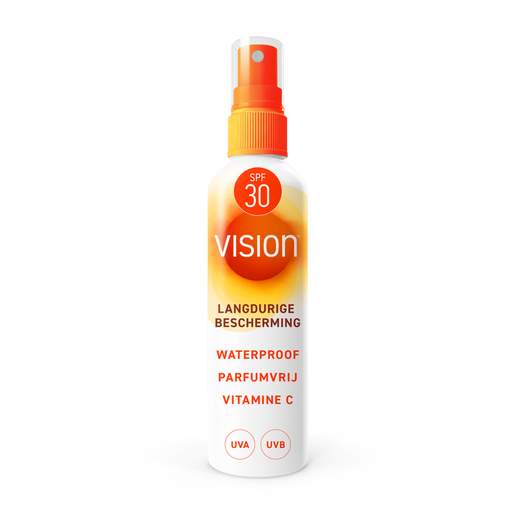
Why it suits this profile: A straightforward choice for anyone looking for a simple sun cream spray for the face and body and who considers SPF 30 sufficient for their planned use.
The usage information states that it provides UVA and UVB protection and advises applying generously and reapplying after two hours, swimming, sweating or drying yourself.
SPF 30, 180 ml and a formula containing glycerine and vitamin E according to the ingredients list.
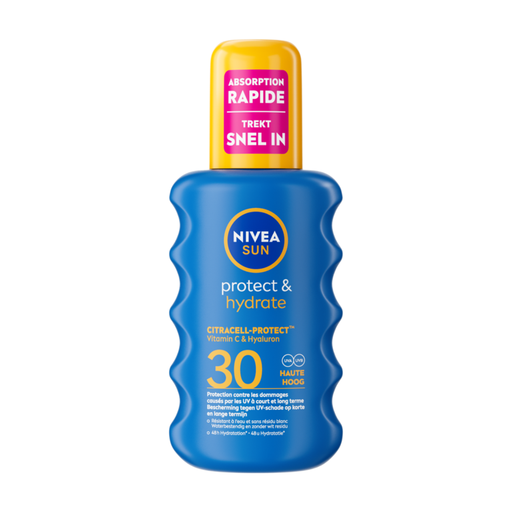
Why it suits this profile: Suitable for adults and families looking for a comfortable, cared-for feel on the skin as well as UVA/UVB protection.
The product information states that it has a water-resistant formula and absorbs quickly. Even so, check your coverage and reapply after swimming or drying yourself.
SPF 30, 200 ml, vitamin E, glycerine and sodium hyaluronate in the ingredients list.
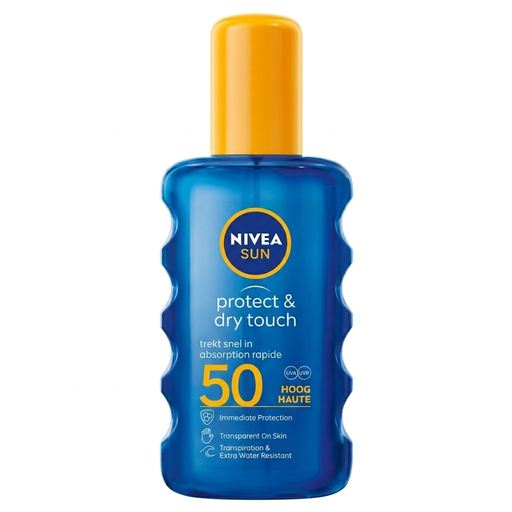
Why it suits this profile: A practical option for sports enthusiasts and beachgoers looking for a transparent, water-resistant spray with SPF 50.
According to the product description, the spray is transparent, absorbs quickly and is water- and sweat-resistant. A transparent mist still needs to be spread carefully.
SPF 50, 200 ml, UVA/UVB protection and a non-greasy finish according to the product information.
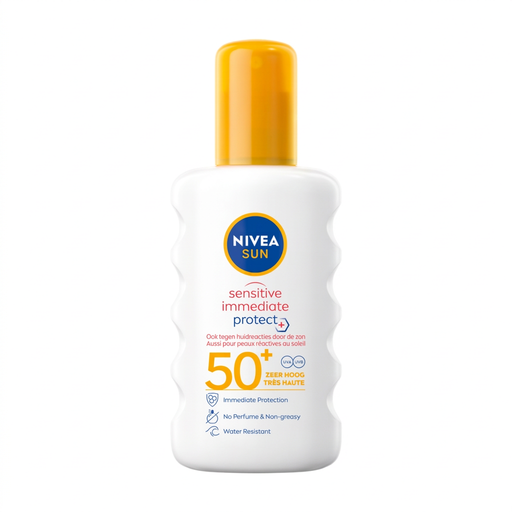
Why it suits this profile: The product information positions this fragrance-free SPF 50+ spray for sensitive skin and water-based activities.
According to NIVEA, the formula is fragrance-free and water-resistant. Check the full ingredients list if you have known allergies.
SPF 50+, 200 ml, a fragrance-free formula and ingredients such as glycerine, jojoba oil and aloe vera.
We have put together a complete, up-to-date list of products that fully meet these strict selection criteria and the applicable European safety regulations.
A moisturising face mist such as the SKIN1004 Madagascar Centella Hyalu-Cica Cloudy Mist can provide a refreshing feel on the skin during the day. The ingredients list includes centella asiatica, several forms of hyaluronic acid and ceramide NP, among other ingredients. However, this product is not sun cream. Always use a separate sun protection product during the day.
For use after sun exposure, the NIVEA SUN Hydrating Soothing After Sun Spray is a separate option. According to the product information, this spray contains aloe vera, vitamin E and hyaluronic acid. Aftersun spray does not replace sun cream and is not intended for reapplying sun protection.
When choosing face mists, look out for fragrance, essential oils and acids. The SKIN1004 mist lists citric acid and warns of potentially increased sensitivity to the sun; sun cream remains essential during the day.
That depends on the product instructions. Do not spray a body spray directly onto your face. Apply it to your hands first and avoid your eyes and mouth. A separate face mist may moisturise, but it does not provide SPF protection.
Reapply after approximately two hours and immediately after swimming, sweating or drying yourself. Water-resistant sun cream does not stay in place indefinitely. Use enough product and do not forget your ears, neck, shoulders, feet and hair parting.
Check the expiry date and the period-after-opening symbol on the packaging. Store the spray somewhere cool and out of direct sunlight. Damaged packaging, a changed smell or an unusual texture are all reasons to stop using the product.
