
Vandaag of morgen in huis

Kwaliteit gegarandeerd

Welkomstaanbiedingen ontgrendelen: GRATIS bezorging | Tot 80% korting | Gratis 30 dagen JoyPlus-proefperiode
Download de app
Sultry summer nights can be delightful—until you try to sleep. Tossing, turning, sweating, and kicking off the covers is an all-too-common problem. The search for the perfect summer down duvet can feel like navigating a maze of marketing jargon and vague promises. Many duvets that seem cool at first turn out to be far too warm after just a few nights.
As a Product Recommendation Officer at Joybuy, I see the challenges consumers face every day. To help you avoid a bad purchase, I'll highlight the most common pitfalls and the specifications that truly matter.
Before you make a purchase, it's important to recognise the common marketing claims that often lead to disappointment.
cool summer duvet, you need a product specifically designed for warmer temperatures, with a focus on breathability.lightweight duvet is not automatically a cool one. The insulation value, determined by the type and quality of the fill, is far more important. A duvet with a low fill weight but poor moisture regulation can still feel clammy and stuffy.anti-allergy duvet offers verifiable guarantees.To make the right choice, it's best to focus on a few objective specifications. These determine the comfort and quality of your down duvet.
The fill is the heart of the duvet.
Pay attention not just to the material, but also to the amount.
summer down duvet, a low fill weight is essential. A value around 200 GSM is often a good indicator of a light and airy duvet that doesn't retain too much heat.cool summer duvet.Certifications are not a marketing gimmick, but a guarantee of quality and safety.
anti-allergy duvet.Based on the criteria above, we have selected a few products that suit different needs.
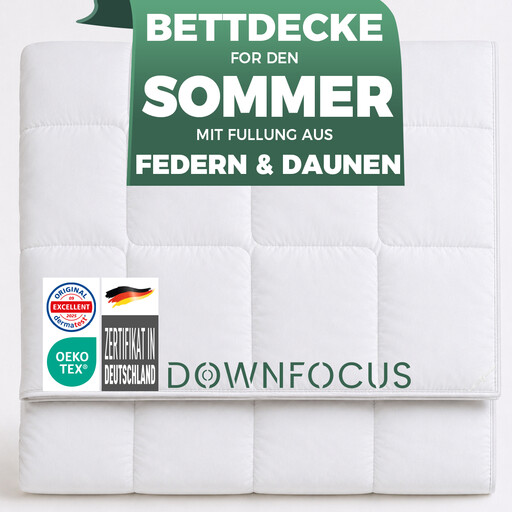
Why it's a match: For those who want to experience the luxurious, lightweight feel of a hotel duvet at home. This person values natural materials and is willing to invest in superior sleep comfort and a long-lasting product.
This is a dedicated summer duvet with a low fill weight of 200 GSM, designed for warm nights. It is not an all-season compromise product.
The fill of 90% feathers and 10% down offers a luxurious feel. Certified with RDS and Oeko-Tex for animal welfare and safety.
Why it's a match: Ideal for those sensitive to dust mites or with sensitive skin. This person seeks active protection and certified materials to ensure a healthy sleep environment.
The "hypoallergenic" claim is substantiated. According to the manufacturer, the extremely tightly woven cotton casing acts as a natural barrier against dust mites.
The Oeko-Tex certification confirms the product is free from harmful substances, making it a suitable choice for people with sensitive skin.

Why it's a match: For those looking for an affordable, low-maintenance solution. Ease of washing and non-allergenic properties are more important than the luxury of natural down.
This product bypasses the down debate by offering a synthetic alternative. The focus is on practical benefits rather than the luxury of natural fillings.
According to the manufacturer, the duvet is washable and non-allergenic, making it a practical and budget-friendly choice for everyday use.
We have compiled a complete, up-to-date list of products that meet these strict selection criteria and quality standards.
The right size depends on your mattress and personal preference. A good rule of thumb is to choose a duvet that hangs over each side of the bed by about 20-30 cm.
Always check the product's care label first. Most down duvets can be washed in a large-capacity washing machine at a low temperature (30 or 40 degrees Celsius). Use a mild detergent, preferably one specifically for down. Drying is the most critical step: place the duvet in the dryer on a low setting along with a few clean tennis balls. The balls help to fluff up the filling and prevent clumping. Shake the duvet daily and air it out regularly to keep it fresh.
This depends on your priorities. A down duvet typically offers superior breathability and moisture regulation, resulting in a drier, more comfortable sleep climate. Down is lighter for the same insulation value and often lasts for many years with proper care. A synthetic duvet is a more budget-friendly alternative and is often easier to wash, but it can feel stuffy for people who tend to sleep hot. For many, the investment in down pays for itself in sleep quality.
