
Barbecue planner looking to get portions right
You’re buying bread for several people and want to match the pack size to the number of dishes, without ending up with lots of leftovers.


Choose bread for your barbecue based on the dishes, how many people you’re feeding and how much preparation you can fit in. Burger buns are ideal for burgers; baguettes or a larger loaf can be shared, but part-baked options need oven space and time. If anyone has an allergy, always check the label on the exact product you’re buying.
You’re buying bread for several people and want to match the pack size to the number of dishes, without ending up with lots of leftovers.
You want to bake or briefly grill the bread just before serving. In that case, the preparation instructions, available oven space and shape of the bread all matter.
You’re keeping an eye on ingredients or allergens, or specifically looking for wholemeal bread. The label on the option you choose and the current packaging matter more than the bread’s appearance.
First, decide which bread goes with your dishes and how many portions you need. Then check whether preparation is practical and which ingredients matter for your guests.
| What to consider | What to check when buying | Who it matters to |
|---|---|---|
| Quantity and leftovers | Check the number of items or the weight, and work out portions based on your guests and dishes. | When I’m buying bread for a group, I want to have enough to serve everyone without lots left over. For around 40% of consumers, the quantity they need comes first. |
| Shape of the bread | Choose a shape to suit the dish: buns for burgers, or bread to share with dips and toppings. | For burgers, I want a bun that fits; for sharing, I want bread I can slice or top. Around 30% of consumers prioritise finding bread to suit the dish. |
| Preparation and storage | Read the defrosting and baking instructions, and check how to store any unused bread. | If the oven is busy around mealtime, I need to know whether serving warm bread is still practical. Around 20% of consumers prioritise preparation and storing leftovers. |
| Ingredients and type of bread | Check the current label for relevant allergens; if you prefer wholemeal, look for an explicit wholemeal description. | If ingredients matter for my guests, I can’t rely on the bread’s name or appearance. For around 10% of consumers, this check comes first. |
Packs vary in the number of items, weight and shape of the bread. A baguette and a burger bun won’t necessarily provide the same number of portions for your dishes.
First, count the burgers you’re planning and the portions of shared bread you’ll need. Then choose a pack to match.
Part-baked bread is only ready to serve after it has been prepared. This can be tricky if you need the oven for other barbecue dishes.
Check the preparation method before buying and plan a suitable time. If that won’t work, choose bread you can serve straight away or briefly grill according to the product instructions.
The word ‘multigrain’ doesn’t automatically mean that a loaf is wholemeal. Nor do its colour or visible seeds tell you for sure.
Look for an explicit wholemeal description and read the ingredients for the option you choose.
Ingredients vary from product to product and can change. For example, Albert Heijn lists wheat, gluten and sesame in the burger buns it reviewed.
Read the current packaging for the exact option you’re buying, and check any warnings about possible cross-contamination if they’re relevant to your guests.
Worth considering if you’re looking specifically for packs of burger buns.
Worth considering if you want to compare different shapes of part-baked bread.
Worth considering if you’re looking for in-store baked rolls or part-baked bread.
Worth considering if you’re looking for part-baked bread to prepare at home.
Worth considering if you want to choose between different shapes of part-baked bread online.
Worth considering if you’re looking for part-baked bread in different shapes.
These bread options go well with burgers or dishes where you want to serve individual rolls and bread to share. Check the number of portions in each pack and what preparation is required.
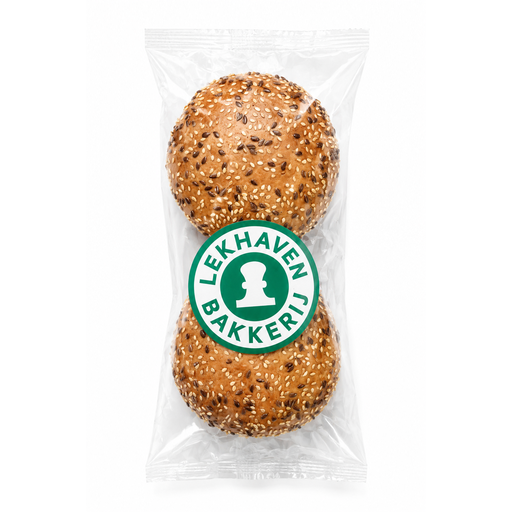 Image unavailable
These buns are made for burgers; with two in a pack, you can work out how many you need for each dish.
The product description says to defrost for around four hours at room temperature and consume within two days of defrosting. Check the current packaging for ingredients and allergens.
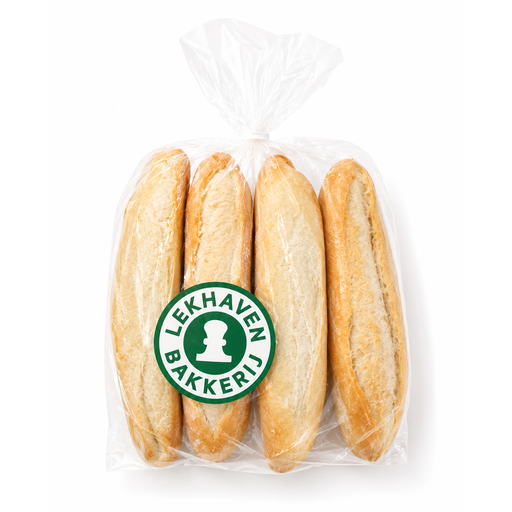 Image unavailable
These four baguettes can be shared with barbecue dishes or topped with your favourite ingredients.
This product is described as frozen bread that needs defrosting and baking in the oven. The baking times given in the product descriptions vary, so follow the instructions on the exact packaging.
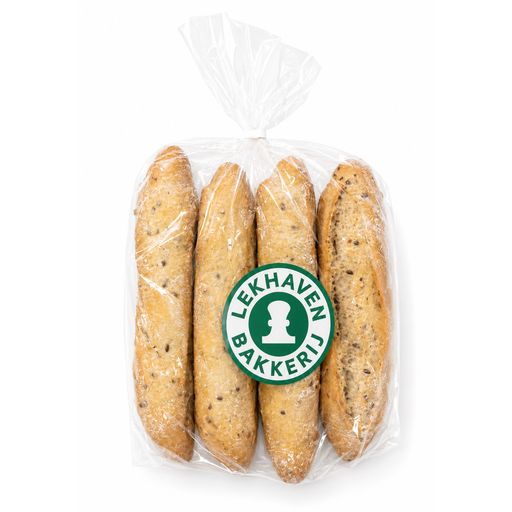 Image unavailable
These multigrain baguettes are a good option if you want bread to share or top with your favourite ingredients.
The pack contains four baguettes weighing 135 g each. They’re described as frozen bread that needs defrosting and baking; check the exact packaging for the baking time, as the product descriptions differ. Multigrain doesn’t automatically mean wholemeal.
 Image unavailable
Four individual rolls are a handy option if you want to give each person their own bread roll.
Check the exact packaging for the weight, preparation method, ingredients and allergens. Don’t assume that multigrain rolls are wholemeal.
 Image unavailable
This 550 g wholemeal round loaf is an option to share alongside individual barbecue rolls.
It’s described as a frozen product that needs defrosting, baking and cooling before you slice it. Follow the instructions on the exact packaging for the baking time, as the product descriptions differ.
Start with the dishes you’re serving. Count how many burger buns you’ll need, then work out how much extra bread you want to share. Next, compare the number of items or the weight in each pack; a burger bun and a baguette don’t serve the same purpose.
Yes, if you have a suitable oven or air fryer available and enough time to prepare it. ALDI gives a preparation time of 8–10 minutes for the multigrain baguettes reviewed; Dirk says 6–8 minutes for the pack of Kaiser rolls reviewed. Follow the instructions for the bread you actually buy.
For an unopened pack, follow the storage instructions on the product. The Voedingscentrum recommends keeping an opened part-baked roll in the fridge for 2–4 days or in the freezer for 1–3 months. Check that this storage advice is suitable for your product and how it was opened.
Check the ingredients and allergens on the current packaging for the exact type of bread, including any warnings about cross-contamination. Albert Heijn lists wheat, gluten and sesame in the burger buns it reviewed; don’t assume the same applies to other buns.