
Vandaag of morgen in huis

Kwaliteit gegarandeerd

Welkomstaanbiedingen ontgrendelen: GRATIS bezorging | Tot 80% korting | Gratis 30 dagen JoyPlus-proefperiode
Download de app
Sugar-free soft drinks are popular with consumers who want to limit their sugar and calorie intake while still enjoying cola, citrus or fruit flavours. However, an eye-catching label does not automatically mean that a product suits your needs. The differences often come down to caffeine, sweeteners, serving size and the total contents of a multipack.
Joybuy’s Product Recommendation Officer helps you compare marketing claims with verifiable product information. This makes it easier to choose sugar-free soft drinks with confidence, without paying unnecessarily for packaging that does not suit the way you use it.
According to the product information, a zero-sugar soft drink contains no sugar, but it may still contain caffeine. This applies, for example, to various colas and energy drinks. If you mainly want to enjoy a drink in the evening, it is therefore worth checking the ingredients list and product name carefully.
A clear exception is Coca-Cola Zero Sugar Caffeine Free Cola 24 x 330 ml. According to the product description, this variant contains neither sugar nor caffeine. Always check the label when your order arrives, as product formulations and packaging may change.
The terms sugar-free soft drink and low-calorie soft drink are often used interchangeably. They do not mean the same thing. A drink can contain zero grams of sugar while still providing a small amount of energy from fruit juice or other ingredients, for example.
Examples from the available product information:
So do not rely solely on the front of the packaging. The nutrition table per 100 ml provides a more useful basis for comparison.
A soft drink multipack is convenient for a household, office or party, but it does require storage space. A tray of 24 cans containing 330 ml each holds 7.92 litres in total. Twelve 500 ml bottles contain 6 litres.
Cans are practical for single servings and for serving at parties. 500 ml PET bottles are resealable and can be more convenient when you are out and about or do not want to drink everything at once. Compare the price per litre, rather than just the price of the box.
At a minimum, check these three details:
According to the product information provided, products containing aspartame must carry a warning that they contain a source of phenylalanine. This is relevant to people with phenylketonuria. If in doubt, always read the current packaging and take your personal dietary requirements into account.
Cola often contains caffeine, while a lemon and lime soft drink such as Sprite Zero Sugar is described as caffeine-free in the product information. Energy drinks belong to a different category. According to the product specifications, Celsius Sparkling Kiwi Guava and Celsius Sparkling Mango Lemonade contain 0.03% caffeine, as well as additional ingredients such as taurine, guarana and green tea extract.
Monster Energy Zero Soda also contains caffeine according to the product information, and carries an age recommendation of 16 and over. So do not choose a product solely on the basis of the “zero” label.
Pay attention to the difference between:
Store soft drinks according to the instructions on the packaging, away from direct sunlight and extreme heat. Also check the best-before information on the packaging itself.
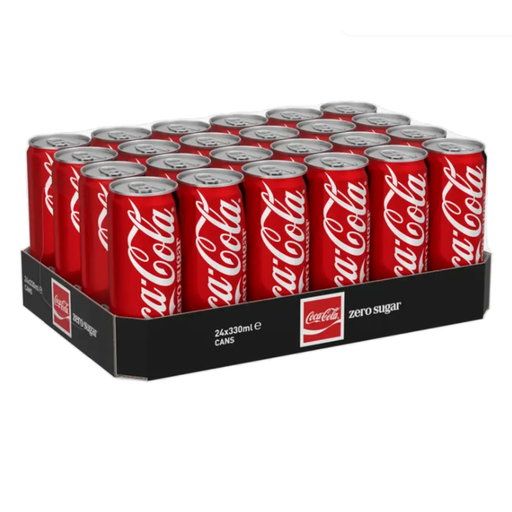
Why it suits this profile: A fixed serving in each can makes it easy to serve at home or at a gathering. The product information states that it contains 0 grams of sugar per 100 ml.
The 24-pack makes the total quantity clear. However, check the price per litre before ordering.
24 x 330 ml cans; according to the product data, 0 grams of sugar and 0 kcal per 100 ml.
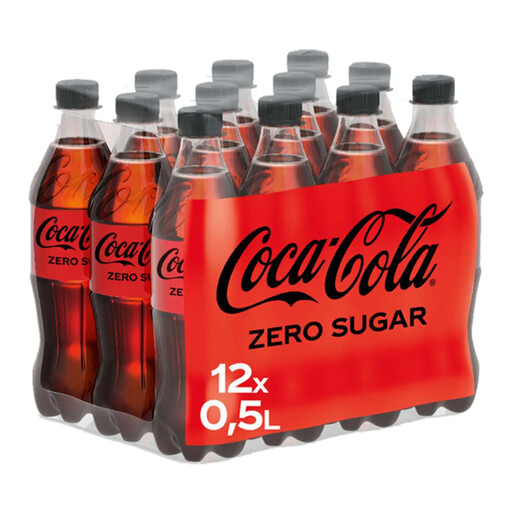
Why it suits this profile: The resealable PET bottles are ideal for households that want to store a larger quantity at a time and do not want to open a new can every time.
The volume per bottle is clearly stated: 500 ml. This makes it easier to estimate serving sizes and storage requirements than with a vaguely specified pack.
12 resealable 500 ml PET bottles; according to the product data, 0 grams of sugar and 0.3 kcal per 100 ml.
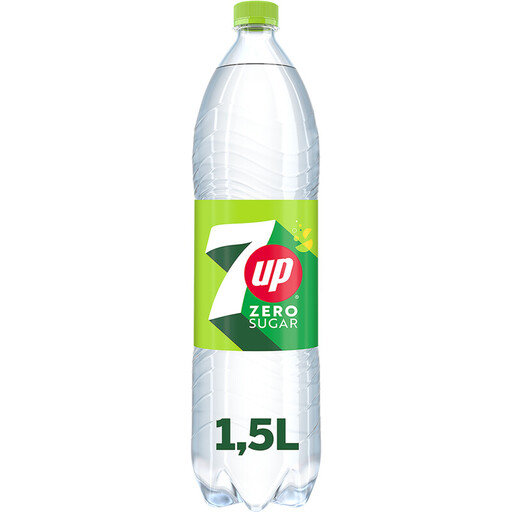
Why it suits this profile: The large bottle is ideal for use at home, with meals and whenever several glasses are being served. It offers a lemon and lime flavour rather than cola.
The 1.5-litre capacity is clear upfront, so you will not accidentally order a small multipack for a larger gathering.
1.5 litres per bottle; according to the product information, less than 1 kcal per 100 ml and a lemon and lime flavour.
We have put together a complete, up-to-date list of products that fully meet these strict selection criteria and the applicable European safety regulations.
No. According to the label, a sugar-free soft drink contains no sugar or virtually no sugar, but it may still contain a small number of calories. Always compare the energy per 100 ml. Fruit variants in particular may contain slightly more energy than sugar-free cola.
This varies from product to product. Coca-Cola Zero Sugar Caffeine Free states that it contains no caffeine. Sprite Zero Sugar is also described as caffeine-free in the product information. According to their ingredients information, colas such as Coca-Cola Zero Sugar and Pepsi Zero Sugar do contain caffeine. Check the current packaging before ordering.
That depends on the price, total contents and how you plan to use them. A 24-pack of 330 ml cans is convenient for individual servings and entertaining. 500 ml bottles are resealable and can be practical when you are out and about. Divide the total price by the number of litres to compare sugar-free soft drinks fairly.
