
Vandaag of morgen in huis

Kwaliteit gegarandeerd

Welkomstaanbiedingen ontgrendelen: GRATIS bezorging | Tot 80% korting | Gratis 30 dagen JoyPlus-proefperiode
Download de app
A sugar-free energy drink may seem easy to choose: pick a flavour, check the brand and order a multipack. However, many shoppers compare the wrong features. A large can, for example, is not automatically better value, and “zero sugar” says nothing about the caffeine content.
This buying guide will help you choose an energy drink without sugar for work, studying, gaming, exercise or when you’re on the go. The information below is based on verifiable details from product descriptions and nutrition labels.
A sugar-free energy drink will generally still contain caffeine. Red Bull Sugar-Free, for example, lists 32 mg of caffeine per 100 ml. In a 250 ml can, that works out at around 80 mg of caffeine. Monster Energy Ultra White lists 0.03% caffeine, while the supplied product information for Ghost Energy products lists 200 mg of caffeine per can.
If your main aim is to reduce calories, a zero-sugar drink may be a good choice. If you are sensitive to caffeine, however, you should check the total caffeine content per can.
An energy drink multipack can be convenient for regular use, but compare the price per can or per litre. Twelve 500 ml cans contain more drink than 24 250 ml cans, while the intended use may be different. A smaller can is easier to carry and makes it simpler to limit your serving size.
Also check whether the deposit, delivery charges and best-before date are clearly stated.
Terms such as “focus”, “performance” and “clean energy” do not always describe a measurable difference between products. Look at:
According to brand product information, vitamins, taurine or plant extracts may form part of the formula. Do not treat such descriptions as a guaranteed effect. The label and directions for use remain the most important sources of information.
For a fair comparison, do not just look at the percentage per 100 ml. Convert it to the full can:
caffeine per can = caffeine per 100 ml × number of millilitres ÷ 100
An energy drink containing 32 mg per 100 ml contains around 80 mg in a 250 ml can. A product with 40 mg per 100 ml contains approximately 100 mg in the same size can. Ghost Energy, with 200 mg per can, therefore falls into a distinctly different usage category.
European labelling requires a warning for high caffeine levels. Always check the current label, particularly when comparing different sizes or imported products.
“Sugar-free” does not always mean zero calories. Monster Energy Ultra White, for example, lists 0 grams of sugar and 12 kcal per 500 ml can. Red Bull Sugar-Free lists 0 grams of sugar and 3 kcal per 100 ml. Celsius Sparkling products also list 0 grams of sugar and approximately 3 kcal per 100 ml.
Also look out for sweeteners such as sucralose, acesulfame-K, aspartame or steviol glycosides. Slammers Sugar-Free, for example, lists aspartame. If you want to avoid certain sweeteners, it is worth checking the ingredients list for each flavour.
An 250 ml energy drink is often better suited to travelling, a short work session or a one-off occasion. A 500 ml energy drink can be practical when you are out for longer, but it will usually also contain more caffeine per pack.
For exercise, an energy drink is not the same as an isotonic or electrolyte drink. According to the product information, Body & Fit Fit Energy Drink Orange contains 100 mg of caffeine per 250 ml can, along with magnesium, taurine and amino acids. This gives it a different formulation from a standard soft drink, but the product does not replace a varied diet or normal fluid intake.
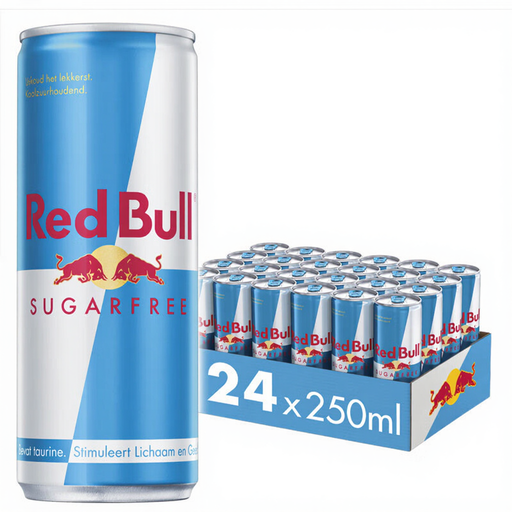
Why it suits this profile: The 250 ml format is easy to manage and suits anyone who wants to try or stock up on a well-known brand in smaller portions.
The label lists the sugar content, calories and 32 mg of caffeine per 100 ml separately.
24 x 250 ml cans, 0 grams of sugar and approximately 3 kcal per 100 ml.
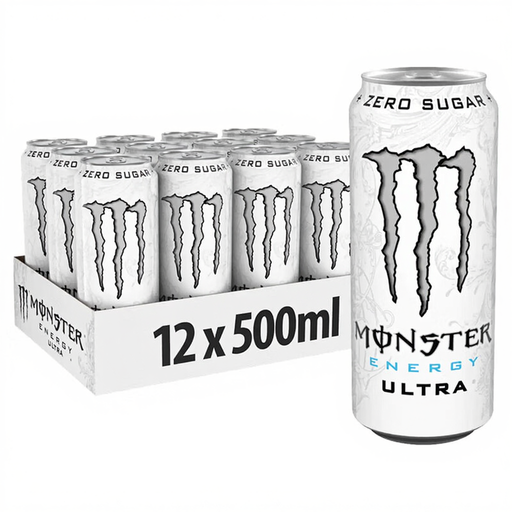
Why it suits this profile: The citrus combination of lemon and grapefruit, together with the large can, is ideal for fans of a distinctive flavour and a supply to keep at home.
The multipack clearly states 12 x 500 ml, so you can assess the total quantity in advance.
0 grams of sugar, 12 kcal per can according to the product information, and a citrus flavour.
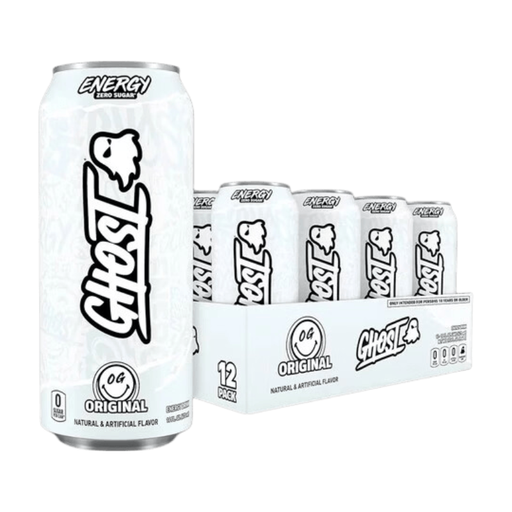
Why it suits this profile: This product is aimed at adults looking for a large pack and a high caffeine content for intensive use.
The product information states 200 mg of caffeine per can and advises against combining it with other sources of caffeine.
12 x 500 ml, 0 grams of sugar and a formula containing taurine, L-carnitine and B vitamins, among other ingredients, according to the label.
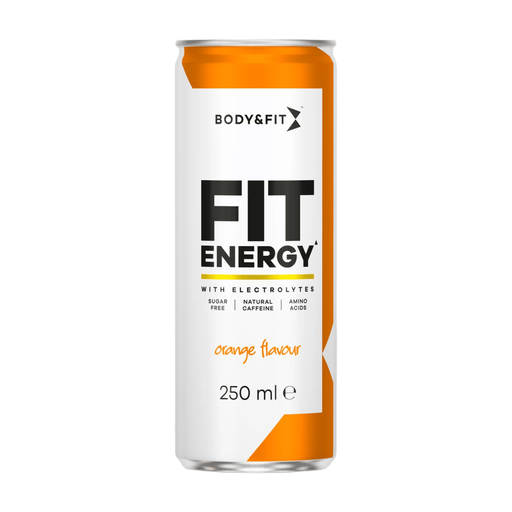
Why it suits this profile: According to the product description, this compact can combines 100 mg of caffeine with magnesium, electrolytes and amino acids.
The ingredients and dosage are stated per can, so you do not have to rely solely on terms such as exercise or focus.
250 ml per can, 100 mg of caffeine, 70 mg of magnesium and approximately 10 kcal per can according to the product information.
We have compiled a complete, up-to-date list of products that fully meet these strict selection criteria and the applicable European safety regulations.
A sugar-free version usually contains significantly fewer calories than a sugared energy drink. However, check the nutrition label, as “sugar-free” and “low-calorie” do not mean exactly the same thing. Monster Energy Ultra White, for example, lists 12 kcal per 500 ml can, while other products state approximately 3 kcal per 100 ml.
Store an opened can in the fridge and consume it according to the instructions on the packaging. The fizz and flavour will diminish after opening. Store unopened cans in a cool, dry place away from direct sunlight. Check the best-before information on the packaging before buying.
That depends on the price per can, the size and any delivery charges. Divide the total price by the number of cans, then also compare the price per litre. A multipack of 24 x 250 ml cannot be directly compared with 12 x 500 ml without doing this calculation.
When buying a sugar-free energy drink, pay particular attention to the caffeine per can, sugar content, size and ingredients. This will help you choose a product that suits the way you intend to use it, without being swayed by vague marketing terms.
