
Vandaag of morgen in huis

Kwaliteit gegarandeerd

Welkomstaanbiedingen ontgrendelen: GRATIS bezorging | Tot 80% korting | Gratis 30 dagen JoyPlus-proefperiode
Download de app
If you want to consume less sugar and fewer calories, sugar-free drinks are an obvious choice. However, eye-catching packaging does not tell you everything. A product labelled “zero” may contain caffeine, a plant-based drink may contain added sugar, and a large multipack is not always good value if you do not enjoy the taste.
By checking the nutritional values, ingredients and pack size carefully, you can make a purchase that better suits your everyday needs. Below, you will find practical points to consider, along with a selection of drinks for different preferences.
Zero soft drinks usually refer to the absence of sugar, not the amount of caffeine. According to the product information, Pepsi Zero Sugar and Pepsi Zero Strawberry & Cream Soda, for example, contain caffeine. If you are looking for a caffeine-free soft drink in the evening or at any other time of day, always check the ingredients list and product details.
A vegan drink can still contain sugar. According to the listed composition, Alpro Soya Drink Vanilla contains sugar and 6.8 grams of sugars per 100 ml. Some plant-based barista drinks also contain sugar. So check both whether a product is labelled “vegan” or “plant-based” and its nutritional values per 100 ml.
A 24-can soft drink multipack is practical for a household, but less suitable if you want to try a flavour first. Also consider storage space, shelf life and the size of each serving. A 6-pack or 12-pack may be a more sensible choice if you want to keep a smaller stock.
Always compare the values per 100 ml, rather than looking only at the figures per can. This makes it easy to see the difference between sugar-free and low-calorie drinks. Coca-Cola Zero Sugar Caffeine Free lists 0 grams of sugar and 0.3 kcal per 100 ml. First Choice Cola Caffeine-Free Light lists 0 grams of sugar and 1 kcal per 100 ml.
Pay attention to the difference between:
For caffeine-free drinks, check for terms such as “caffeine-free” or “cafeïnevrij” in the product name and ingredients. Sweeteners such as aspartame, acesulfame-K and sucralose are commonly found in cola and other soft drinks. According to the product information, products containing aspartame should be considered in relation to the statement “source of phenylalanine”. If you have an allergy, intolerance or specific dietary requirement, always check the packaging before consumption.
Compare both the total volume and the number of packs. A tray containing 24 cans of 330 ml represents a different stock level from a box containing 12 cans of the same size. As a general rule, store unopened drinks in a cool, dry place away from direct sunlight and excessive heat. Many products should be refrigerated after opening and used as soon as possible.
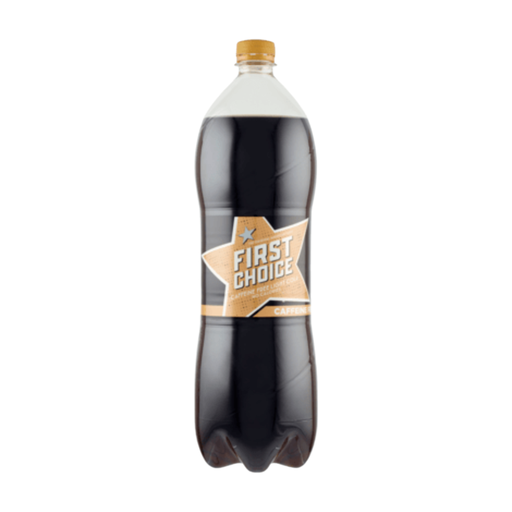
Why it suits this profile: The 6-pack is a manageable option for anyone who wants to try sugar-free cola without immediately buying a large stock.
The product information states that it contains neither sugar nor caffeine. This means you do not have to rely solely on the word “light”.
6-pack; 1 kcal per 100 ml; according to the product description, contains no fats or sugars.

Why it suits this profile: This large multipack is ideal for households that regularly serve sugar-free, caffeine-free cola.
The product name explicitly states Zero Sugar and Caffeine Free. The pack contains 24 individual 330 ml cans.
0 grams of sugar and 0.3 kcal per 100 ml according to the product information; 24 x 330 ml.
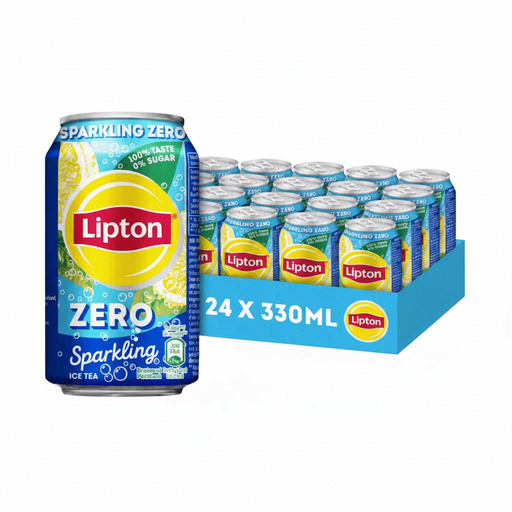
Why it suits this profile: Ideal if you want an alternative to cola and would like to keep a sugar-free sparkling drink at home.
The product description states 0% sugar and a low calorie content. Check the current packaging for the full ingredients list.
24 x 330 ml cans; sparkling iced tea; according to the product information, contains no sugar and approximately 1 kcal per 100 ml.
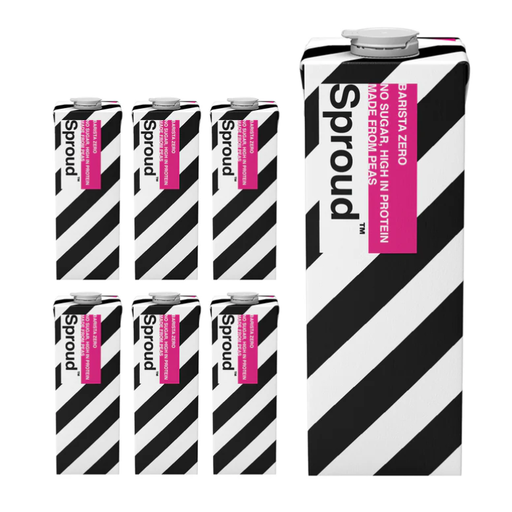
Why it suits this profile: This plant-based barista drink is designed for coffee and tea, with a pack of six one-litre cartons for regular use.
The product description states that it contains no sugar or added sweeteners. This makes the difference between it and many sweetened plant-based drinks clearer.
6 x 1 litre; designed for frothing; plant-based and, according to the product description, contains no sugar or added sweeteners.
We have put together a complete, up-to-date list of products that fully meet these strict selection criteria and the applicable European safety regulations.
Before checking out, compare these points:
Coconut water is an alternative to fizzy drinks. When choosing it, pay attention to the difference between no added sugar and completely sugar-free: coconut water may contain naturally occurring sugars. For coffee, Sproud Barista ZERO and other barista drinks are practical options, but always check the sugar content of flavoured varieties.
Not always, but many zero soft drinks contain few calories according to their product information. Check the exact energy value per 100 ml. Plant-based drinks, coconut water and instant coffee mixes may contain more calories, even when no sugar has been added.
First Choice Cola Caffeine-Free Light and Coca-Cola Zero Sugar Caffeine Free Cola are options whose product names explicitly refer to a caffeine-free variant. Check the current packaging before consumption, as compositions and labels may change.
A multipack can be convenient if you consume the drink regularly and helps reduce the need for separate purchases. However, compare the price per litre or per can, and do not choose a large box if you are not yet familiar with the flavour. This helps prevent stock from going unused.
