
Travellers looking for strictly sugar-free options
You want to check the label and see whether a biscuit meets the threshold for a ‘sugar-free’ claim, rather than relying on the wording on the front of the pack.


Looking for a sugar-free biscuit to enjoy with coffee in your hotel room? Check both the claim and the sugar content per 100 g: under European Union rules, a biscuit labelled ‘sugar-free’ can contain no more than 0.5 g of sugars per 100 g. ‘No added sugars’ does not mean the same thing. Then check the portion size, ingredients and allergens; biscuits containing polyols may carry a warning about excessive consumption.
You want to check the label and see whether a biscuit meets the threshold for a ‘sugar-free’ claim, rather than relying on the wording on the front of the pack.
You want a plain biscuit you can enjoy with your coffee, with no preparation needed. A stated weight per biscuit or portion helps you work out how many to take with you.
As well as sugars, you check sweeteners, polyols, warnings and allergens. This information varies by product and packaging.
Start with the sugar claim if it’s the deciding factor for you. Then compare portions and read the ingredients list on the biscuit you’re actually taking with you.
| What to consider | What to check when buying | Who it matters to |
|---|---|---|
| Sugar claim | Compare the ‘of which sugars’ figure per 100 g. Under European Union Regulation (EC) No 1924/2006, biscuits labelled ‘sugar-free’ can contain no more than 0.5 g of sugars per 100 g. | If I really want a sugar-free biscuit, I need to be able to check the claim against the sugar figure. Around 40% of consumers put this exact sugar threshold first. |
| Portion and packaging | Check the weight per biscuit or portion and the storage instructions; don’t assume biscuits come in individual portion packs unless this is stated. | When having coffee in my hotel room, I want to take a manageable amount with me without needing to prepare anything. For around 30% of consumers, portion convenience matters most. |
| Ingredients and allergens | Check which sweeteners and allergens are listed, and look out for any warnings about polyols. | If I need to avoid certain ingredients, I want to know what’s in the biscuit before I eat it. This is the main concern for around 20% of consumers. |
| Taste and availability | Check the current packaging of a biscuit that appeals to you; a coffee pairing or familiar brand says nothing about its sugar content. | I mainly want a biscuit I’ll enjoy with my coffee and can find, without skipping the label. This is the deciding factor for around 10% of consumers. |
A biscuit with no added sugars may still contain more sugars than the threshold for a ‘sugar-free’ claim. Albert Heijn lists Verkade San Francisco zero as containing 0% added sugar and 1.7 g of sugars per 100 g.
If the threshold matters to you, check the nutritional information per 100 g rather than relying on the wording on the front of the pack.
A sugar claim doesn’t tell you which sweeteners or allergens a biscuit contains, or what its other nutritional values are.
Compare biscuits per 100 g, as recommended by the Netherlands Nutrition Centre, then read the ingredients and allergen information.
Albert Heijn’s product information for AH Digestive 0% suiker and Verkade San Francisco zero warns that excessive consumption may have a laxative effect.
Check the warning and portion information on the pack you buy.
Lotus Bakeries presents Biscoff as a biscuit to enjoy with coffee. This doesn’t, in itself, mean it carries a sugar-free claim.
Use the coffee pairing as a taste guide, and check the label on the specific pack if you’re looking for a sugar-conscious option.
AH Digestive 0% suiker comes in a 400 g pack, for anyone considering a larger quantity of biscuits.
The Kokos and Speculoos met amandel varieties reviewed are biscuits with sweeteners; check the information for your chosen variety separately.
San Francisco zero may suit anyone mainly looking to reduce added sugar, but not those looking for a strictly sugar-free biscuit.
A flavour option for anyone mainly looking for a classic biscuit to have with coffee.
Sondey is Lidl’s biscuit brand, with a range of cookies and biscuits.
This biscuit is an option to compare if you’re keeping an eye on added sugar. It’s intended for babies from 12 months and isn’t a strictly sugar-free option; check the packaging to see whether it suits your coffee break.
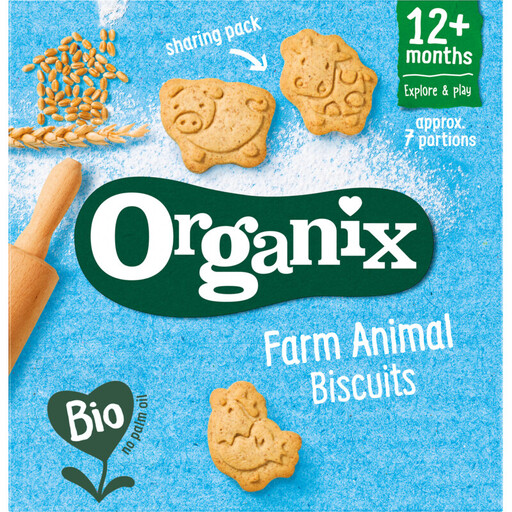 Image unavailable
If you want to avoid added sugar but don’t need a strictly sugar-free option, compare the sugar content on the pack with your own criteria. These biscuits are intended for babies from 12 months; also check the portion weight and information about wheat and possible traces of nuts and milk.
No. Under European Union Regulation (EC) No 1924/2006, biscuits can only be labelled ‘sugar-free’ if they contain no more than 0.5 g of sugars per 100 g; a claim about no added sugars doesn’t mean the total sugar content is below this threshold. Albert Heijn lists Verkade San Francisco zero as containing 0% added sugar and 1.7 g of sugars per 100 g.
First, compare the nutritional information per 100 g, as recommended by the Netherlands Nutrition Centre. Then check the weight per biscuit or the stated portion size to decide how much you’d like with your coffee.
Read the ingredients and any warnings on the current packaging. Albert Heijn’s product information for AH Digestive 0% suiker and Verkade San Francisco zero warns of a possible laxative effect if consumed in excess.
Check the allergen information for the specific variety you’re buying. According to the product information provided, AH Digestive 0% suiker contains wheat; the Céréal Speculoos met amandel variety reviewed lists almonds, barley, egg, milk, soya and wheat, among other ingredients.
Follow the storage instructions on the pack and reseal it after opening. The product information for AH Digestive 0% suiker says to store it in a cool, dark and dry place; Verkade San Francisco zero should be stored in a dry place and preferably somewhere cool.