
People with a strict sugar-free requirement
If you only want to serve something that can be labelled sugar-free, the amount of sugars per 100 g is the deciding factor. The Netherlands Nutrition Centre sets the limit at no more than 0.5 g per 100 g.


If you want genuinely sugar-free taaitaai while watching the Netherlands, check the nutritional information first. According to the Netherlands Nutrition Centre, a product labelled ‘sugar-free’ may contain no more than 0.5 g of sugars per 100 g. The regular taaitaai from Albert Heijn, Jumbo and PLUS lists 39 g, 38.6 g and 38.594 g of sugars per 100 g respectively, so it does not meet this requirement. If having taaitaai matters less than choosing a sugar-free snack, you could consider a different type of snack and check its label.
If you only want to serve something that can be labelled sugar-free, the amount of sugars per 100 g is the deciding factor. The Netherlands Nutrition Centre sets the limit at no more than 0.5 g per 100 g.
For you, the flavour and chewy texture are part of the occasion. Compare the sugars per 100 g, then decide how much to serve. Don’t mistake regular taaitaai for a sugar-free option.
If you want to know which taaitaai you can buy, look beyond the product name or packaging. The nutritional information and ingredients on the current packaging will help you decide whether a product suits your needs.
When: Choose a different type of snack if being sugar-free matters more than the flavour and texture of taaitaai, and check the sugars per 100 g.
Trade-off: An alternative to taaitaai won’t be the same kind of biscuit. A name or claim alone is no substitute for checking the label.
When: Choose taaitaai if this is the biscuit you want to share and being sugar-free isn’t a strict requirement.
Trade-off: Based on the sugar values listed, the regular varieties from Albert Heijn, Jumbo and PLUS don’t meet the sugar-free limit.
| What to consider | What should you check? | Who is this most important for? |
|---|---|---|
| Choosing a sugar-free option | Read the label on the packaging and check ‘of which sugars’ per 100 g. The Netherlands Nutrition Centre sets the sugar-free limit at no more than 0.5 g per 100 g. | If sugar-free is a strict requirement for me, I don’t want to rely on a similar-sounding claim. This is a priority for around 46% of consumers. |
| Sharing taaitaai | Compare sugars per 100 g, then look at the serving size; Albert Heijn lists 11 g per serving and Jumbo 14 g. | During the match, I mainly want to put a familiar biscuit on the table and decide how much to serve myself. Around 27% of consumers say this is their priority. |
| Comparing products in shops | Check the current range and compare the nutritional information and ingredients on the packaging of the products available to buy. | When choosing between shops, I want to see what’s available and what’s in it before I buy. This is the main thing around 27% of consumers are looking for. |
These terms don’t mean the same thing. According to the Netherlands Nutrition Centre, a product labelled sugar-free may contain no more than 0.5 g of sugars per 100 g. The listed values for regular taaitaai from Albert Heijn, Jumbo and PLUS are all above this limit.
If sugar-free is a strict requirement, check both the claim and the ‘of which sugars’ value per 100 g on the packaging.
According to the Netherlands Nutrition Centre, manufacturers set their own serving sizes. This means that the value per serving alone doesn’t tell you which comparable product contains more sugars.
Compare the values per 100 g first, then decide how much taaitaai you want to serve during the match.
Traditional taaitaai can contain various sources of sugar and allergens. Product information from Albert Heijn, Jumbo and PLUS lists ingredients containing sugar, as well as cereals containing gluten and milk.
If you have an allergy or want to avoid a particular ingredient, check the current packaging before serving the biscuits.
A product name in a shop listing doesn’t give you all the information you need to assess its sugar or allergen content.
Check the current product details and packaging before deciding whether it meets your requirements.
AH Taai taai is a regular taaitaai biscuit sold in a 500 g pack.
Jumbo Sint Taai Taai Figuurtjes is a regular variety sold in a 500 g pack.
PLUS Taai taai sint en piet is a regular variety sold in a 500 g pack.
ALDI lists anise-flavoured taaitaai in the shape of figures, in a 500 g pack.
Dirk’s product listing includes 1 de Beste Mini taai taai in a 500 g pack.
These products are alternatives to taaitaai for an evening watching the Netherlands; they aren’t taaitaai. If you’re looking for a strictly sugar-free option, check the current nutritional information per 100 g and the ingredients for each product. Also look out for any warnings on the packaging.
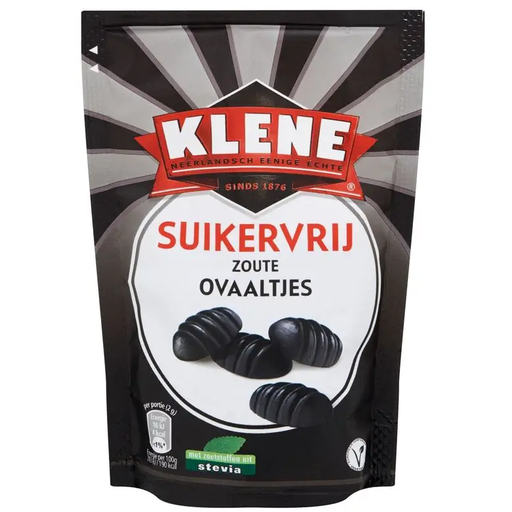 Image unavailable
A different type of sweet for match time if you don’t specifically want to serve taaitaai.
Pack size: 110 g. Check the ingredients if you want to avoid particular substances.
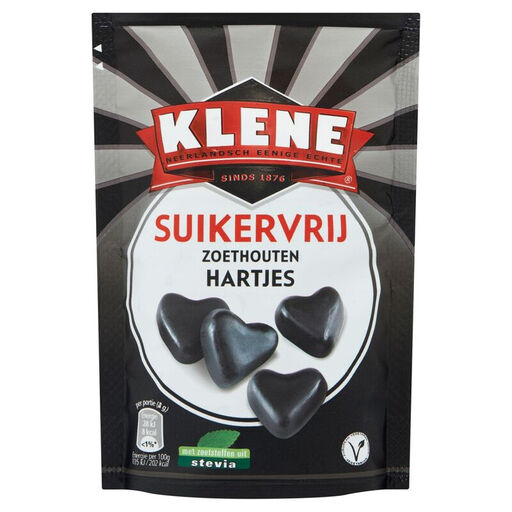 Image unavailable
A liquorice alternative to taaitaai when you fancy putting a different flavour on the table.
Pack size: 110 g. The product information warns that excessive consumption may have a laxative effect and advises people with high blood pressure to avoid excessive consumption.
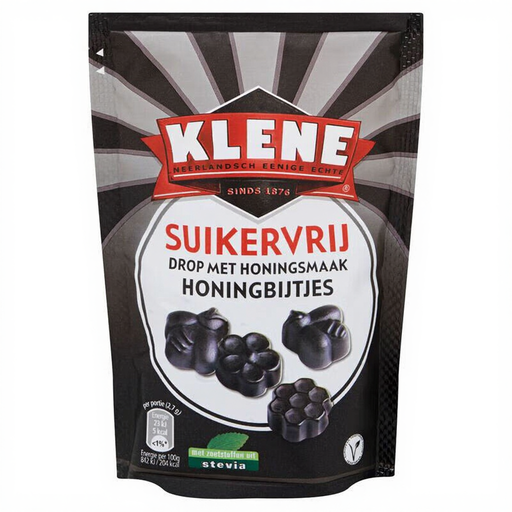 Image unavailable
A liquorice option for anyone who would rather serve sweets than taaitaai while watching the match.
Pack size: 110 g. The product information warns that excessive consumption may have a laxative effect.
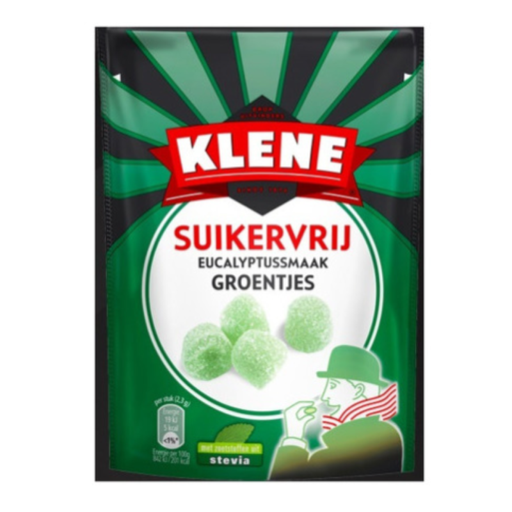 Image unavailable
Eucalyptus-flavoured liquorice for anyone who fancies something other than taaitaai during the match.
Pack size: 90 g. The product information warns that excessive consumption may have a laxative effect.
According to the Netherlands Nutrition Centre, a product labelled ‘sugar-free’ may contain no more than 0.5 g of sugars per 100 g. Check this value in the nutritional information for the specific taaitaai you want to buy.
No. The Diabetes Fund distinguishes between ‘no added sugars’ and ‘sugar-free’: a product with no added sugars may still contain sugars that occur naturally. To check whether something is sugar-free, look at the total ‘of which sugars’ value per 100 g.
First compare the nutritional values of similar products per 100 g. The Netherlands Nutrition Centre points out that manufacturers set their own serving sizes; use the value per serving afterwards to work out how much you want to serve.
Read the allergen information on the current packaging of the taaitaai you’re going to eat. The product information for the regular varieties mentioned from Albert Heijn, Jumbo and PLUS lists cereals containing gluten and milk, among other things. Other varieties may have a different composition.