
Vandaag of morgen in huis

Kwaliteit gegarandeerd

Welkomstaanbiedingen ontgrendelen: GRATIS bezorging | Tot 80% korting | Gratis 30 dagen JoyPlus-proefperiode
Download de app
Buying sugar-free sweets might seem straightforward: pick a flavour, check for the word “sugar-free” and place your order. Yet products with the same front label can differ significantly in sweeteners, calories, texture and suitability for eating on the go. What’s more, “no added sugar” doesn’t automatically mean a product is low in carbohydrates or suitable for every diet.
With this practical guide, you can compare sugar-free sweets, sugar-free liquorice, mints, throat lozenges and konjac jelly based on verifiable product information.
Sugar-free products are often sweetened with polyols, such as maltitol, sorbitol or erythritol. This means the sugar content can read as 0 grams, while the product still provides energy. For example, Fisherman’s Friend Spearmint lists 244 kcal per 100 grams and Smint XL Peppermint Duo 245 kcal per 100 grams.
If you’re specifically looking for low-calorie sweets, check the nutritional information per serving. According to the product information, konjac jelly contains around 3 to 7 kcal per pouch, depending on the flavour. So a sweet with 0 grams of sugar isn’t automatically the lowest-energy choice.
A large amount of polyols can have a laxative effect in some people. That’s why many packs carry a warning against excessive consumption. When trying new sugar-free chewy sweets, start with a small amount and always follow the instructions on the label.
Also check whether you want to avoid aspartame. Fisherman’s Friend, Smint and Wilhelmina list aspartame in their ingredients. According to the product information, these products contain a source of phenylalanine. This is relevant information for anyone who needs to avoid this ingredient.
Words like “keto”, “vegan” or “gluten-free sweets” are only useful when they match the current ingredients and allergen information. Product information can also change. So always check the packaging, allergens, best-before date and storage instructions when you receive your order.
With liquorice, pay extra attention to ingredients such as liquorice root, ammonium chloride, maltitol and gum arabic. For family sweets, the shape and size also matter: hard or large pieces are not suitable for young children without supervision.
Compare at least:
Oldtimers Sugar-Free Liquorice Rocks, for example, states 0 grams of sugar and 0 kcal in the product information provided, but also 53 grams of carbohydrates. That doesn’t seem to add up. That’s exactly why it’s wise to check the packaging and the most recent nutrition table before making a dietary choice.
For vegan sweets, don’t just look for milk or egg. Gelatine, beeswax and certain glazing agents are also relevant. According to the product information, Fruitella Mini Vegan is described as vegan and contains fruit juice, but it does contain sugar and glucose syrup. So it’s vegan, but not sugar-free.
For keto snacks, total carbohydrates and the sweeteners used are more important than just the front of the pack. The Hethstia konjac varieties are described as sugar-free and keto-friendly, with around 3 to 7 kcal per pouch. However, do check that the full composition fits your personal diet.
A resealable bag is handy for home or the office. Individual rolls and pouches are more practical as sweets for on the go, during travel or in a bag. Konjac jelly is eaten straight from a squeeze pouch. Once opened, the product should be kept refrigerated and consumed within one to two days, depending on the variety, according to the product information.
For mints and throat lozenges, compact boxes or sachets are convenient. Just pay attention to age recommendations and usage warnings. A product that, according to its own brand or product information, offers fresh breath or a soothing effect should not be seen as a medicine or treatment.
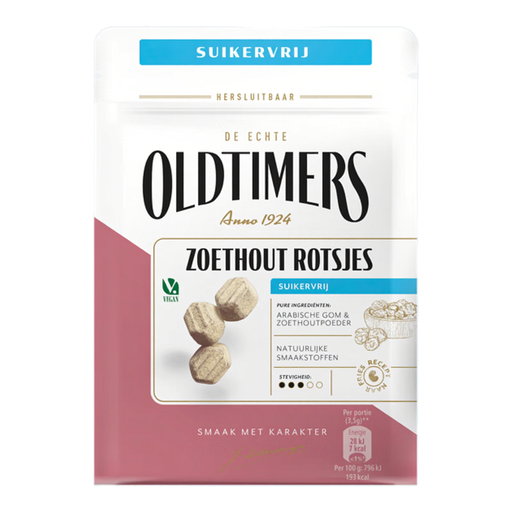
Why this fits the profile: A 100-gram bag offers a classic liquorice option for home or the office, with a firm texture and a slightly spicy flavour according to the product description.
The ingredients and nutrition table are available for you to check yourself. Note the mention of maltitol and read the packaging for the current composition.
100-gram content, gum arabic as a thickening agent and, according to the product information, none of the 14 major EU allergens.
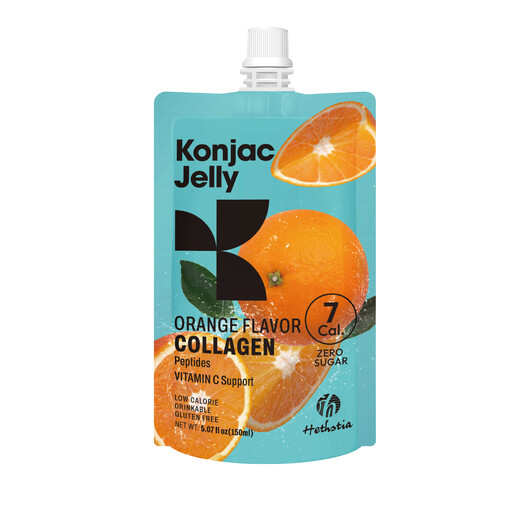
Why this fits the profile: The soft, squeezable texture and orange flavour offer a different eating experience from hard sweets, whether at home or on the go.
The single-serving packaging makes the quantity easy to manage. The product information states 7 kcal per pouch and 0 grams of sugar; check this on the current packaging.
Contains erythritol, konjac flour, vitamin C and collagen peptides according to the label; the product information lists no allergens.
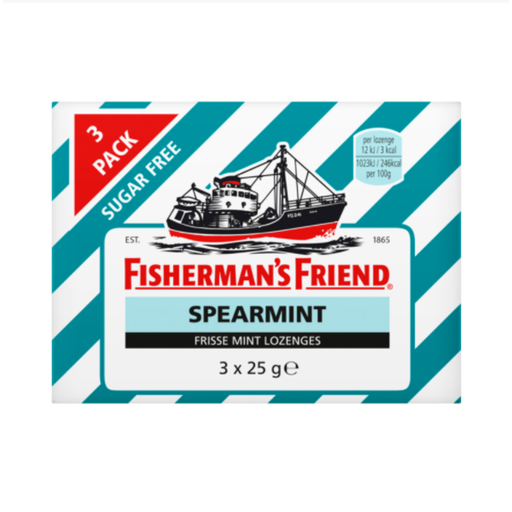
Why this fits the profile: A resealable pack and a strong mint experience make these sugar-free mints practical for work, travel and prolonged use.
The packaging clearly lists sorbitol and aspartame. This lets you decide in advance whether these sweeteners are right for you.
75-gram content, spearmint flavour and a resealable pack; according to the product information, it contains no sugar but does contain a source of phenylalanine.
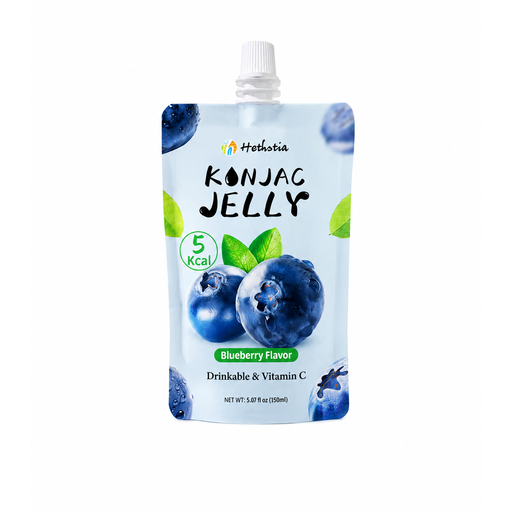
Why this fits the profile: The individual pouch is light, ready to use straight away and suitable for work, school or travel.
The nutritional information is listed per pouch: according to the product information, 5 kcal. Also check the storage time after opening.
Blueberry flavour, 0 grams of fat and, according to the product information, vegan, gluten-free and with no listed allergens.
We’ve put together a full, up-to-date list of products that fully meet these strict selection criteria and comply with current European safety regulations.
No. Sweeteners replace sugar, but they don’t always provide zero calories. Check the energy per 100 grams and per serving. In the product information provided, konjac jelly is often low in calories, while sugar-free mints and liquorice can contain around 200 to 245 kcal per 100 grams.
Individual konjac pouches, mint rolls and resealable bags are practical. A pouch is ready to use straight away, while a roll of mints takes up very little space. Store opened konjac jelly in the fridge according to the label and use it within the stated time.
That’s not recommended. Products with maltitol or other polyols can have a laxative effect if consumed in excess. Also read any warnings about liquorice root and follow the serving and usage information on the packaging.
