
Vandaag of morgen in huis

Kwaliteit gegarandeerd

Welkomstaanbiedingen ontgrendelen: GRATIS bezorging | Tot 80% korting | Gratis 30 dagen JoyPlus-proefperiode
Download de app
When you’re looking for sugar-free sweets, you’ll often focus on flavour or brand first. Yet the most important differences are usually on the back of the packet. A product labelled “0 g sugar” can still contain plenty of carbohydrates or sweeteners. What’s more, not all sugar-free sweets are suitable for every diet or situation.
With these practical checks, you can compare sugar-free liquorice, peppermints, chewing gum and other sugar-free sweets without being swayed by the front of the packet alone.
Under European labelling rules, “sugar-free” can be used when a product contains no more than 0.5 grams of sugars per 100 grams. That doesn’t automatically mean it’s low in calories. For example, Haoxiangni Sugar-Free Black Sesame Balls contains 573 kcal per 100 grams according to the product information, despite having 0 grams of sugar.
A sugar-free cereal bar can also contain naturally occurring sugars. The Hero B'Tween Muesli Bar Zero White Chocolate lists 1.7 grams of sugar per 100 grams. So “no added sugars” is not the same as “sugar-free”.
Many sugar-free sweets contain polyols, such as maltitol, sorbitol, xylitol or erythritol. The packaging often carries a warning that excessive consumption may have a laxative effect. This is particularly relevant if you’re using several bags or portions in one day.
So don’t just compare the sugar content – also check the polyol content per 100 grams and the recommended serving size.
Terms like “extra strong”, “fresh breath” or “soothing” don’t automatically guarantee a specific effect. A brand’s own research might claim a certain duration of freshness, but always check the ingredients and usage instructions on the packaging.
With sugar-free eucalyptus sweets or menthol mints, it’s really about the chosen flavour intensity. If you prefer a mild taste, you’re better off choosing a standard mint rather than a “strong menthol” version.
Look at both the nutrition table and the ingredients list. Pay attention to the difference between:
With some products, the product name “sugar-free” may not fully match the translated ingredient information. For instance, Oldtimers Sugar-Free Liquorice Rocks lists 0 grams of sugars, but the ingredients list also mentions sugar. So always check the packaging you receive, especially with food products.
A large jar is handy for home or the office, but individual rolls or a sturdy tin are more practical on the go. Examples:
According to the product information, Mentos Wintergreen contains 50 pieces in a 100 g pot. Sportlife Smashmint contains 68 pieces in a resealable 102 g pot. That makes it easier to compare the price per piece.
“Sugar-free” doesn’t automatically mean vegan, gluten-free or free from all allergens. Fisherman’s Friend Mint Sugar-Free is described in the product information as suitable for vegetarians, vegans and those following a gluten-free diet. Mentos Wintergreen, on the other hand, lists soya as an allergen.
Also look out for ingredients such as gelatine, milk, peanuts, nuts and beeswax. With sugar-free salmiak or liquorice containing liquorice root, moderation is also important. Fisherman’s Friend Salmiak states that people with high blood pressure should avoid excessive consumption. This is a warning from the product information, not a medical assessment.
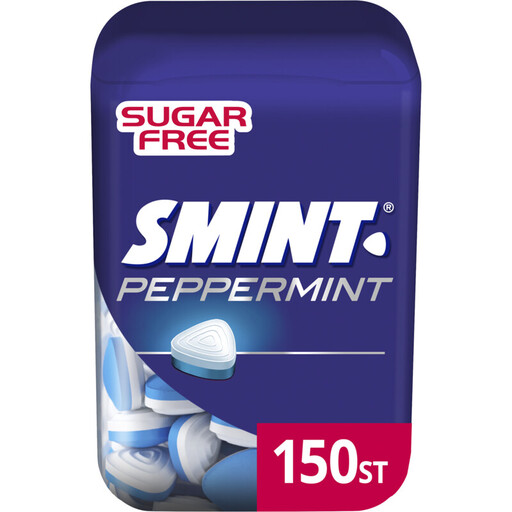
Why this fits the profile: The value pack contains 150 mints and is suitable for home, work or the car.
The product information states 0 grams of sugars per 100 grams and a clear number of pieces, so you can estimate the portion and price per mint.
150 pieces, convenient size for stocking up, and none of the 14 major EU allergens according to the product description.
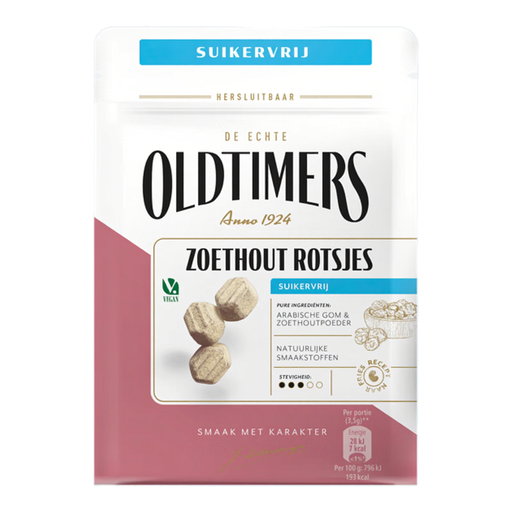
Why this fits the profile: The firm texture and sweet-spicy liquorice flavour appeal to fans of traditional liquorice.
The product data lists maltitol as a sweetener, but also sugar in the ingredients list. So check the label before purchasing.
100 grams, gum arabic and none of the 14 major EU allergens according to the stated product information.
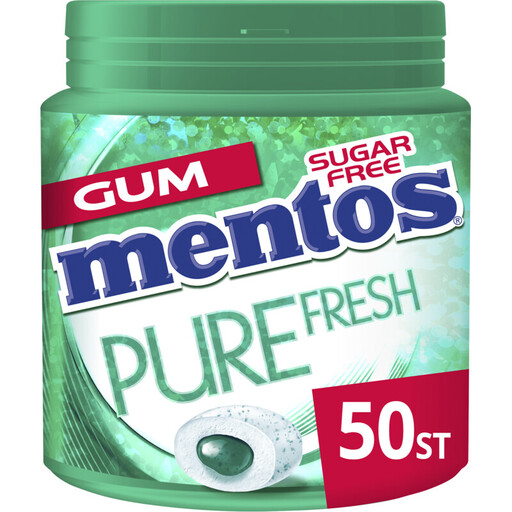
Why this fits the profile: The pot of 50 pieces is practical for regular use at the office, in the car or on the go.
The product information states 0 grams of sugar and 71 grams of polyols per 100 grams. So you can see straight away why moderation is still important.
Wintergreen flavour, liquid centre, resealable pot and 50 pieces; soya is listed as an allergen.
We’ve put together a full, up-to-date list of products that fully meet these strict selection criteria and comply with current European safety regulations.
No. Sweeteners replace sugar, but the product can still contain calories from other ingredients. Check the energy value per 100 grams and, where stated, per serving.
Products containing certain polyols, such as maltitol and sorbitol, can have a laxative effect if consumed in excess. Follow the warning on the packaging and build up your intake gradually if you’re not used to these sweeteners.
For on the go, rolls, tins and resealable bags are practical. Sugar-free mints and sugar-free chewing gum take up very little space. A resealable bag of liquorice, such as Klene Sugarfree Honey Liquorice, is especially handy when you can close the packaging properly between uses. Always check the ingredients, allergens and best-before date with every purchase.
